Introduzione
That stunning jacquard knitted wool sweater you loved last season—the one with intricate patterns and a luxuriously soft feel—may not look quite the same after a few washes. Sagging cuffs, stretched shoulders, or unexpected shrinkage are common problems that many wool garment owners encounter.
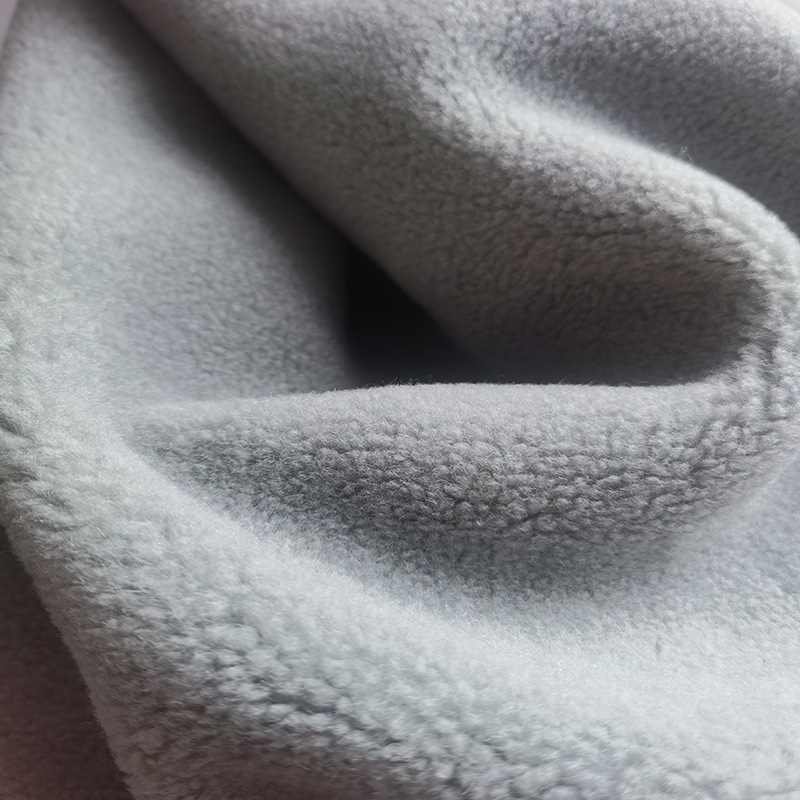
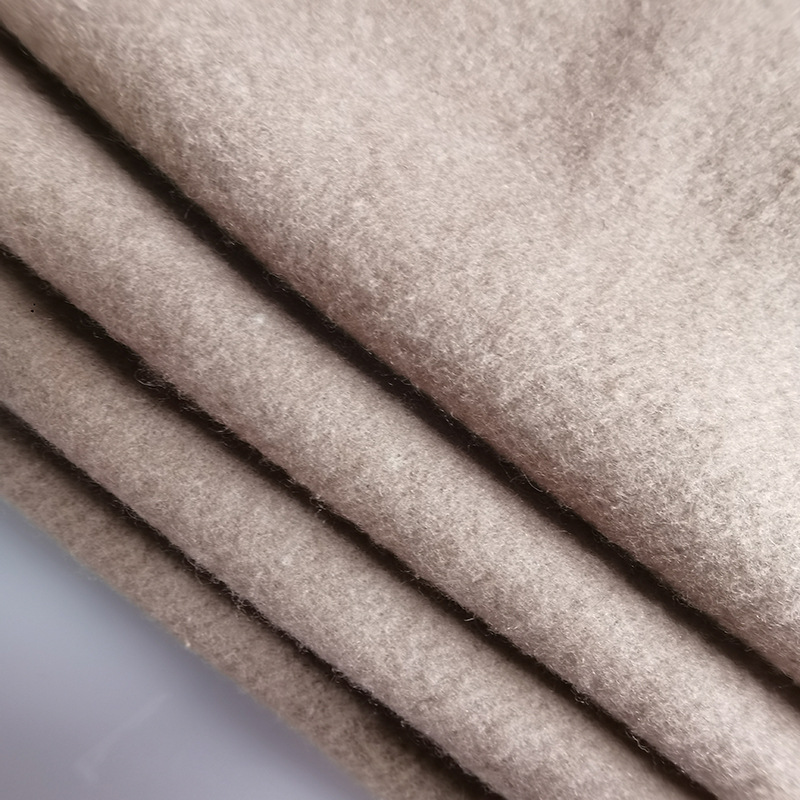
Fortunately, deformation is not inevitable. High-quality Jacquard Knitted Wool Fabric is designed for both beauty and durability, but it requires proper care to maintain its original shape. Fabrics such as Hongyang’s 22YY-0101 solid-color jacquard coarse-knit woolen fabric, featuring a 100% wool pile face and a substantial 660 g/m² weight, are widely used for hats, scarves, and fashion garments because of their warmth, texture, and premium appearance.
With the right washing, drying, and storage techniques, you can keep your jacquard knitted wool fabric looking structured, comfortable, and visually appealing for years to come.
Understanding Why Your Jacquard Knitted Wool Fabric Loses Its Shape
Before we dive into solutions, let’s talk about why this happens in the first place. Jacquard Knitted Wool Fabric is fundamentally different from woven fabrics. Those intricate patterns aren’t just printed on—they’re created by interlocking loops of yarn, which gives the fabric its signature stretch and cozy give. But that same elasticity is also its Achilles’ heel, and it’s the root cause of most deformation issues you’ll encounter with this textile.
The Science Behind the Stretch
When you wash Jacquard Knitted Wool Fabric, several things happen at once. The wool fibers absorb water and swell—it’s what they naturally do. As they swell, the knitted loops relax and can shift position. Then, if you add heat, agitation, or the weight of water while drying, those loops can permanently realign in a stretched or compressed state. This is especially problematic for jacquard because the pattern areas often have different stitch densities, making uneven distortion more likely.
Here’s a breakdown of the primary culprits:
| Cause of Deformation | What Happens | Why It Matters for Jacquard Knitted Wool Fabric |
|---|---|---|
| Heat Shock | Hot water or high heat causes wool fibers to contract and felt together. | Shrinkage can reach 3–8% in untreated knits. The jacquard pattern can pucker or distort unevenly. |
| Agitation & Friction | Rough handling in a washing machine can tangle and mat the fibers. | Leads to pilling, loss of softness, and distortion of the knit structure. |
| Gravity (Wet Weight) | Hanging a wet wool garment pulls it out of shape. | The weight of water stretches the fabric, particularly in the shoulders and hem. |
| Improper Storage | Storing on a hanger creates permanent stress points. | Causes “shoulder humps” and a stretched-out silhouette. |
The complex structure of jacquard means that different areas of the fabric may have varying tensions and densities, increasing the risk of uneven shrinkage or distortion. This is why a one-size-fits-all approach to laundry simply doesn’t work for this material.
The Golden Rule of Washing: Cold Water and Zero Aggression
If you take away just one thing from this guide, let it be this: the wash is where most deformation starts. The way you treat your Jacquard Knitted Wool Fabric in the water will determine 90% of its fate. Many people mistakenly use warm water, thinking it cleans better, but that’s a surefire way to trigger irreversible shrinkage.
Always, Always Hand Wash (or Use the Delicate Cycle)
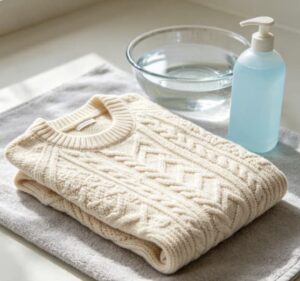
Professional textile experts and wool advocates are unanimous on this point: hand washing is the safest method for knitwear. Fill a basin with lukewarm water—and we mean lukewarm, around 30°C (86°F). Hot water is the enemy; it’s the primary trigger for the dreaded shrinkage. Cold water is your best friend when caring for Jacquard Knitted Wool Fabric.
If you absolutely must use a machine, use the “wool” or “delicate” cycle. Turn the garment inside out to protect the jacquard pattern from friction, and place it in a mesh laundry bag for an extra layer of defense. And whatever you do, never wash it with heavy items like jeans or jackets that have zippers—the snagging can ruin those delicate jacquard loops.
Choose the Right Detergent
This is non-negotiable. You need a mild, neutral detergent specifically designed for wool. Avoid anything with bleach, optical brighteners, or fabric softeners. These harsh chemicals can break down the wool fibers over time, making them more prone to stretching and losing their natural crimp. A Woolmark-approved detergent is a safe bet for preserving the integrity of your Jacquard Knitted Wool Fabric.
The “No Rub, No Wring” Rule
When washing, gently squeeze the soapy water through the fabric. Don’t scrub, don’t twist, and don’t wring it out. Rubbing causes the wool scales to interlock and felt, leading to shrinkage and a change in texture. Think of it like handling a very delicate, wet pastry—gentle pressure only.
Drying Without the Drama: The Flat Dry Method
Once the washing is done, the battle isn’t over. In fact, how you dry your Jacquard Knitted Wool Fabric is arguably just as important as how you wash it. Improper drying is responsible for a huge portion of deformation cases, often more than washing itself.
Why Hanging Is a Huge Mistake
We’ve all done it—thrown a wet sweater over a clothesline or a shower rod. It seems logical. But for wool, it’s a recipe for disaster. When wet, wool is at its most vulnerable. The weight of all that absorbed water acts like a tiny anchor, pulling the fabric downward. The result? A sweater that’s suddenly two sizes longer and has lost all its shape. This is particularly damaging for jacquard because the patterned areas may stretch unevenly.
The Proper Way to Dry: Flat and In The Shade
The Woolmark Company, the global authority on wool, recommends laying the garment flat to dry. Here’s the step-by-step for your Jacquard Knitted Wool Fabric:
-
Press, Don’t Wring: After rinsing, gently press the excess water out of the fabric. Don’t twist or wring.
-
The Towel Roll: Lay the garment flat on a clean, dry towel. Roll the towel up with the garment inside, and gently press on the roll to absorb more moisture.
-
Reshape and Lay Flat: Unroll and lay the garment flat on a fresh, dry towel or a specialized drying mesh. Gently pull and pat it back into its original shape and dimensions.
-
Air Dry: Leave it to dry in a well-ventilated area, away from direct sunlight and heat sources like radiators. Direct heat can cause the fibers to become brittle and discolored.
Ironing and Steaming: Handle With Care
So your Jacquard Knitted Wool Fabric is clean and dry, but it’s a little wrinkled. What now? Ironing wool requires a light touch and a cool head. Many people skip this step or do it wrong, causing permanent shiny marks or further distortion.
Low Heat Is the Only Heat
The maximum temperature for ironing wool is around 110°C to 150°C. Most modern irons have a specific “wool” setting—use it. Never use a high heat setting; you’ll scorch the fibers and ruin the fabric permanently. Always test on an inconspicuous area first, especially if your Jacquard Knitted Wool Fabric has contrasting colors.
Always Use a Pressing Cloth
This is perhaps the most important rule of ironing wool. Never let the iron come into direct contact with the fabric. Place a clean, slightly damp cotton cloth between the iron and your Jacquard Knitted Wool Fabric. This protects the delicate surface and prevents that ugly, shiny sheen that can appear on crushed wool.
Steam With Caution
Steam can be a great way to remove wrinkles without the risk of scorching. However, use it cautiously. Excessive steam, especially on a hot iron, can cause the wool to shrink. A garment steamer held at a distance is often a safer and more effective option than a traditional iron.
Storage Solutions: Fold, Don’t Hang
You’ve washed and dried your piece perfectly. Now, how you store your Jacquard Knitted Wool Fabric will determine if it stays that way until next season. This is a step that’s frequently overlooked, yet it’s where long-term shape retention is won or lost.
The Hanger is Not Your Friend
This bears repeating: do not hang your knitted wool garments. The constant, gentle pull of gravity over weeks and months will inevitably stretch the shoulders and body. You’ll end up with those dreaded “shoulder humps” that are nearly impossible to fix. For jacquard items, which often have heavier yarns, this effect is even more pronounced.
Fold Flat for Longevity
The best way to store Jacquard Knitted Wool Fabric is folded and laid flat in a drawer or on a shelf. Fold it gently, without creating harsh creases. For extra protection, you can place a sheet of acid-free tissue paper between the folds to prevent creasing and friction.
Protection From Moths
Wool is a natural protein, and unfortunately, it’s a delicacy for moths. To protect your investment, consider using natural repellents like lavender sachets or cedar blocks in your storage area. Just make sure they don’t come into direct contact with the fabric, as the oils can stain. Regularly airing out your stored wool garments also helps keep pests at bay.
The Professional Fix: How to Reshape and Block Your Fabric
Sometimes, despite your best efforts, a little deformation happens. Or, perhaps you’ve inherited a beautiful piece of Jacquard Knitted Wool Fabric that’s lost its way. Don’t despair—blocking can often bring it back. This is a technique used by professionals and serious hobbyists alike.
What Is Blocking?
Blocking is the process of wetting a knitted item and pinning it into the correct shape to dry. It’s like a reset button for the fibers. Because wool is so resilient, it responds incredibly well to this technique. Even heavily distorted Jacquard Knitted Wool Fabric can often be restored to its original measurements with careful blocking.
Wet Blocking: The Full Reset
This method is best for significant reshaping.
-
Soak: Fill a basin with lukewarm water and a small amount of wool wash. Submerge the garment and let it soak for 15 to 20 minutes.
-
Remove Water: Gently press the water out. Don’t wring. Roll it in a towel to remove excess moisture.
-
Pin and Shape: Lay the damp garment flat on a blocking board or a clean surface (a yoga mat works well in a pinch). Use rust-proof pins to carefully stretch and pin the garment to its original measurements. Pay close attention to the edges and the intricate jacquard pattern, ensuring it’s lying flat and symmetrical.
-
Dry: Leave it pinned until it is completely dry. This locks the new shape into the fibers.
When Prevention Isn’t Enough: A Quick Fix for Minor Issues
Even with the best care, minor issues can arise. Here’s how to handle them.
For Shoulder Humps: Dip the misshapen areas in warm water (around 30-40°C) and gently massage them by hand. Lay the garment flat to dry, and the fibers should relax back into shape.
For General Stretching: A gentle soak in lukewarm water with a wool conditioner can help the fibers relax and contract back to their original size.
For Pilling: Those little balls of fuzz are normal. Use a fabric shaver or a sweater stone to gently remove them. This instantly refreshes the look of the fabric and keeps your Jacquard Knitted Wool Fabric looking new.
Why Choose Quality Jacquard Knitted Wool Fabric?
Understanding how to care for your fabric is essential, but it all starts with the quality of the material itself. A well-constructed Jacquard Knitted Wool Fabric will always hold its shape better and respond more favorably to care than a poorly made one. That’s why sourcing from reputable suppliers makes a tangible difference.
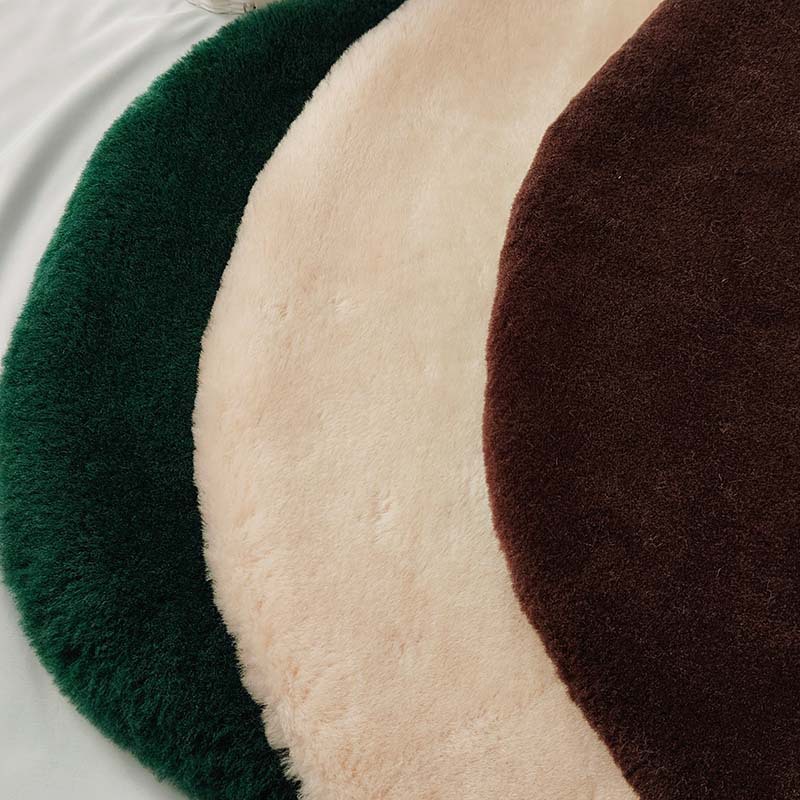
Take, for example, premium offerings from suppliers like Hongyang. Their coarse-knit woolen fabric (item number 22YY-0101) is crafted with a 100% wool pile face, giving it a superior softness and warmth that cheaper blends can’t match. The jacquard woven craft ensures the patterns are crisp and durable. With a weight of 660 g/m² and a width of 165 cm, this is a fabric designed for longevity—whether it’s being tailored into a coat, a scarf, or fashion garments. When you invest in high-grade Jacquard Knitted Wool Fabric, you’re already ahead in the battle against deformation.
Choosing high-quality wool fabric from the start means you’re investing in a piece that’s worth the extra care. The rich colours, fine texture, and good drape are a testament to superior craftsmanship, and with the right maintenance, that beauty will last.
Summary of Best Practices for Your Fabric
To make it easy, here’s a quick checklist to keep your Jacquard Knitted Wool Fabric in pristine condition:
-
Wash: Hand wash in cold or lukewarm water (max 30°C) with a mild wool detergent.
-
Avoid: Heat, bleach, fabric softeners, and vigorous agitation.
-
Dry: Lay flat on a towel, away from direct sunlight and heat.
-
Iron: Use a low heat setting (max 150°C) and always use a pressing cloth.
-
Store: Fold flat in a drawer. Never hang.
-
Fix: Use the wet blocking technique to reshape if necessary.
Conclusione
With proper washing, drying, and storage, jacquard knitted wool fabric can maintain its shape, texture, and appearance for years. Understanding how wool fibers respond to moisture, heat, and handling is the key to preventing stretching, shrinkage, and deformation.
For brands, designers, and manufacturers seeking reliable wool textiles, high-quality materials make all the difference. Hongyang’s solid-color jacquard coarse-knit woolen fabric offers excellent warmth, texture, and durability for garments, scarves, hats, and other fashion applications. Contact Hongyang to learn more about available specifications and customization options.