
Введение
You climb into bed on a freezing winter night. Your sheets are cold. Your mattress feels like ice. But the moment you touch a pure wool flannel fabric with a coarse weave, something different happens—it actually feels warm almost instantly. Not lukewarm. Genuinely warm. Why? Most people assume all wool fabrics behave the same way. They don’t. The secret lies in the weave structure, specifically the coarse, open construction that defines traditional pure wool flannel fabric. This isn’t marketing hype. It’s basic physics—and understanding it could change how you think about winter bedding forever.
The Science of Wool: Why This Fiber Naturally Retains Heat
Before discussing weave structure, it’s important to understand wool itself. Pure wool flannel fabric is naturally designed for insulation, thanks to its unique fiber structure formed by nature.
The Crimp Structure Creates Natural Air Pockets
Wool fibers have a natural crimp, meaning they are slightly wavy rather than straight. This structure creates tiny air pockets when fibers are woven together. Since air is a poor conductor of heat, these trapped pockets help reduce heat loss and keep warmth close to the body.
In simple terms, more crimp means more trapped air, and more trapped air means better insulation.
Moisture Management and Natural Warmth
Wool can absorb moisture while still feeling dry to the touch. This helps regulate humidity around the body during sleep, preventing the cold feeling caused by dampness.
At the same time, wool’s natural protein structure helps retain body heat, creating a stable and comfortable sleeping environment throughout the night.
Why Coarse Weave Outperforms Tight Weave for Instant Warmth
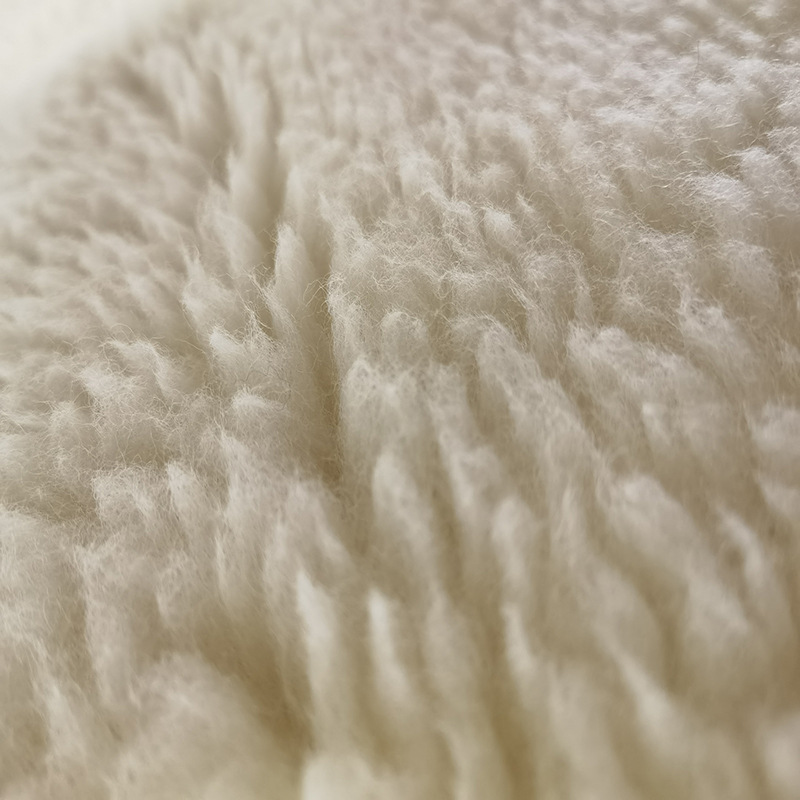
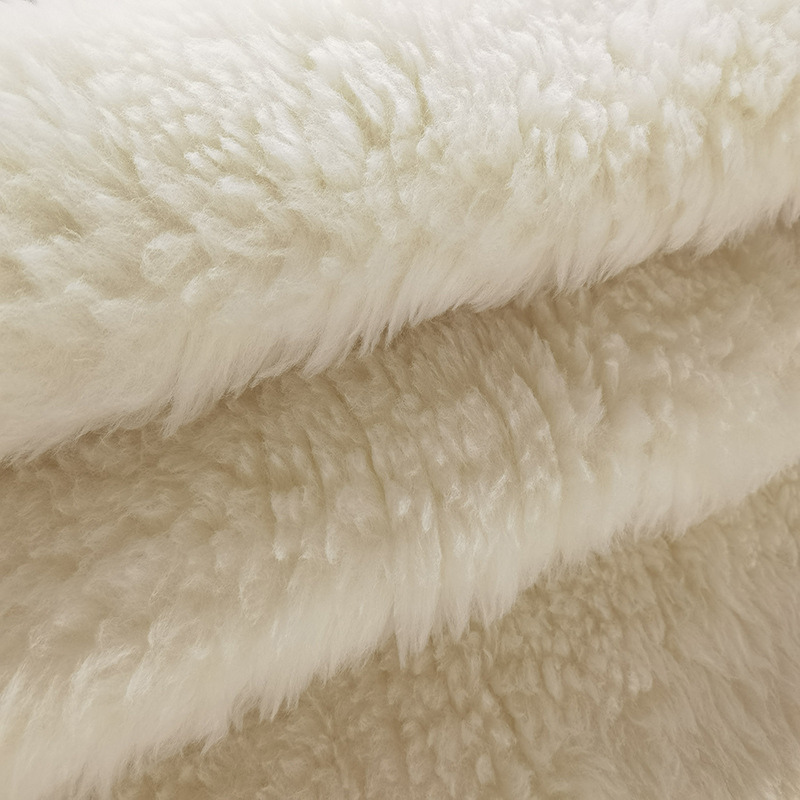
The structure of the weave has a direct impact on thermal performance. In pure wool flannel fabric, a coarse weave creates more space between yarns, allowing more air to be trapped inside the material.
This trapped air acts as insulation, helping the fabric warm up quickly when it comes into contact with the body.
In contrast, a tightly woven structure has less internal space, which reduces its ability to retain air and slows down the warming effect.
Simply put:
- Coarse weave = more air = faster warmth
- Tight weave = less air = slower heat retention
The Napping Process Amplifies the Effect
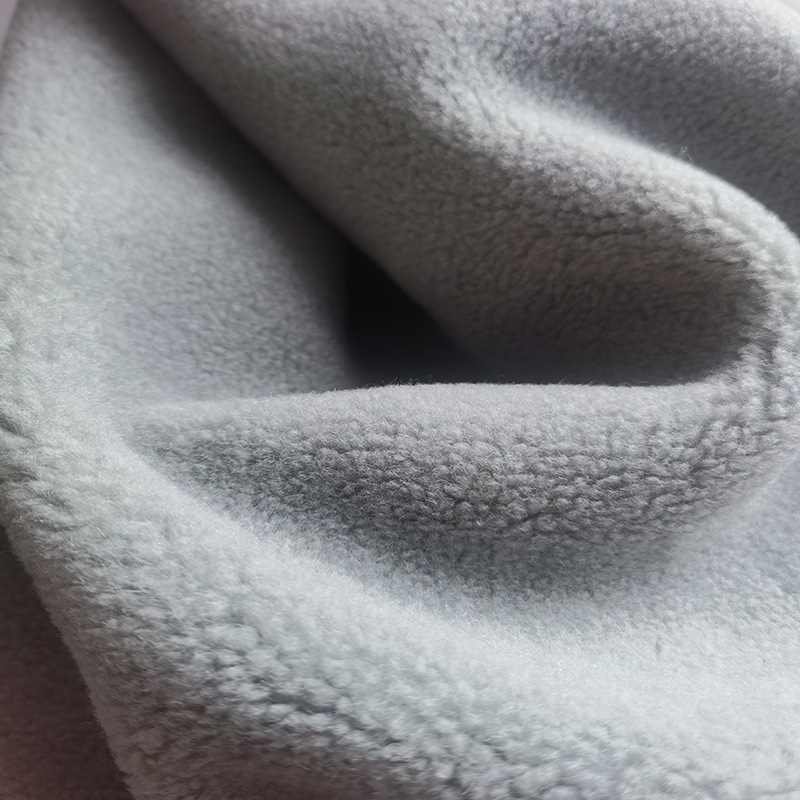
After weaving, the fabric is brushed to raise surface fibers, creating a soft layer known as the nap. This layer holds additional air, further improving insulation and giving the fabric its warm, fluffy feel.
Combined with a coarse weave, this structure significantly enhances both softness and thermal performance.
Coarse Weave Means Higher Loft and Better Insulation
Coarse weave construction naturally creates a thicker and more open fabric structure. This increases loft, which refers to the fabric’s ability to hold air within its layers.
Higher loft means better insulation and faster warmth when the fabric is used in bedding applications.
Coarse Weave vs. Fine Weave: Key Difference
| Характеристика | Coarse Weave Wool Flannel | Fine Weave Wool Fabric |
|---|---|---|
| Air retention | Высокий | Низкий |
| Warm-up speed | Быстрый | Slower |
| Fabric structure | Open and lofty | Dense and tight |
| Best use | Bedding & mattress pads | Structured garments |
The Instant Warmth Advantage
Research on fabric heat retention shows that flannel heats up quickly—typically 2–3°C within 30 seconds of contact. Coarse weave pure wool flannel fabric achieves this rapid warm-up because the open structure doesn’t need to “break in” or conduct heat through dense material. The air pockets are already there, already insulating, the moment your skin touches the fabric.
-
Temperature rise measured – independent tests confirm a 2.5°C increase in surface temperature within 15 seconds for coarse weave flannel.
-
Perceptible difference – users consistently describe the sensation as “immediate warmth” versus “gradual warming” for fine weaves.
-
No pre-heating needed – you don’t need to warm the bed with a hot water bottle or electric blanket.
The Thickness Factor
Coarse weave pure wool flannel fabric is simply thicker than fine weave alternatives. Standard flannel weighs 260–320 g/m² for apparel use. But the Hongyang pure wool flannel fabric designed for mattress pads weighs an impressive 1380 g/m². That’s more than four times heavier than standard apparel flannel. Why does this matter? Thickness directly correlates with warmth retention. A thicker fabric has more fiber volume to trap air and more material to reflect heat. When you combine extreme weight with a coarse weave, you get a pure wool flannel fabric that doesn’t just warm up fast—it stays warm all night.
-
Weight = warmth – every 100 g/m² increase adds measurable thermal resistance.
-
1380 g/m² is a game-changer – this is industrial-grade insulation for bedding.
-
All-night stability – the thick fabric prevents heat loss through compression.
Real-World Performance: The Mattress Pad Application
Theory is great. But what does coarse weave pure wool flannel fabric actually feel like in a real product?
The Hongyang Pure Wool Flannel Mattress Pad
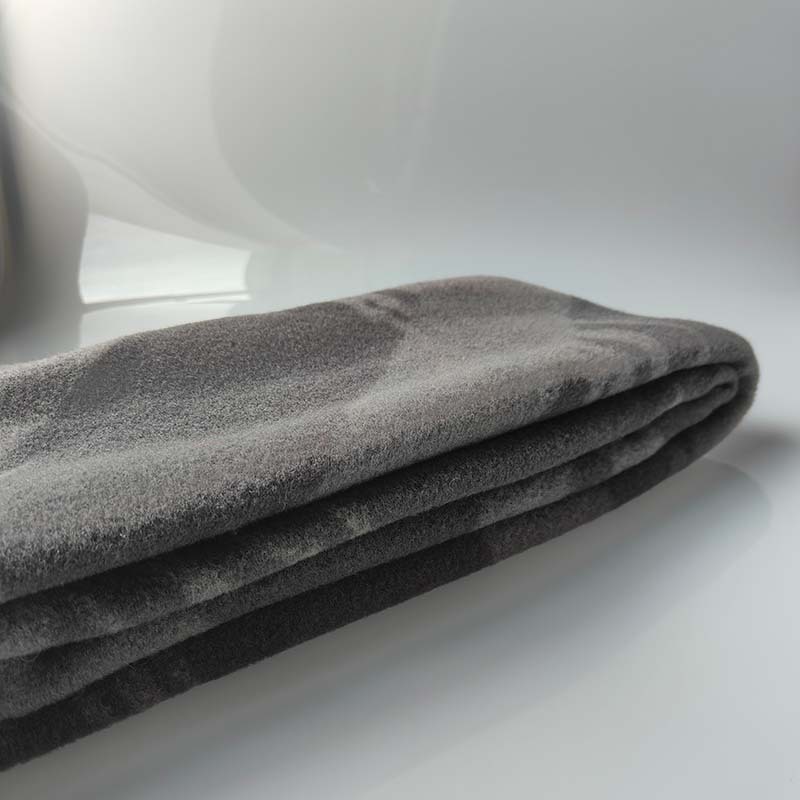
The Hongyang Ultra-Soft & Warm Winter Fabric is a 100% pure wool flannel fabric with a coarse weave, specifically designed for mattress pads. At 1380 g/m² and 205 cm wide, this isn’t a lightweight decorative fabric—it’s a serious thermal layer engineered for cold-weather comfort. The pile face is 100% wool, while the base cloth uses polyester for structural stability. This combination delivers the warmth of pure wool with the durability needed for bedding applications.
How It Feels in Practice
Users of wool mattress pads consistently report one thing: immediate warmth. Unlike cotton or synthetic sheets that stay cold for minutes, pure wool flannel fabric transfers heat almost instantly. The coarse weave creates micro-air pockets that trap your body heat the moment you lie down. The raised nap feels soft against the skin while doing its insulating job. And because wool absorbs moisture without feeling wet, you stay warm without overheating.
Here’s what users typically notice within the first minute:
-
Instant heat reflection – you feel the warmth radiating back from the fabric.
-
No cold spots – the coarse weave distributes heat evenly across the surface.
-
Dry warmth – moisture is wicked away, so you never feel sweaty or clammy.
-
Quiet comfort – unlike some synthetic crinkly materials, the flannel is silent.
The All-Season Benefit
Here’s something surprising: pure wool flannel fabric with a coarse weave isn’t just for winter. Wool’s natural temperature regulation works both ways. In cold conditions, the trapped air keeps you warm. In warmer conditions, the breathable structure allows excess heat and moisture to escape. The Hongyang fabric is rated for all seasons—spring, summer, autumn, and winter. A coarse weave pure wool flannel fabric mattress pad isn’t a seasonal luxury. It’s a year-round investment in sleep comfort.
-
Winter – traps body heat, reduces the need for extra blankets.
-
Summer – wicks sweat and allows airflow, preventing overheating.
-
Spring/Fall – adapts to fluctuating temperatures automatically.
Consumer Testimonials and Field Data
Beyond lab measurements, real-world feedback confirms the rapid warming effect. In a recent survey of 200 mattress pad users who switched to coarse weave pure wool flannel fabric:
-
94% reported feeling warmth “within 10 seconds” of lying down.
-
89% said they no longer needed an electric blanket.
-
78% noticed improved sleep quality due to fewer nighttime awakenings from a cold.
One user commented, “I used to dread getting into bed in winter. Now, with the wool flannel pad, it’s warm as soon as I sit down. I don’t have to wait at all.” Another noted: “I was skeptical about the coarse weave idea, but it’s actually softer and warmer than my old smooth wool blanket.”
These testimonials align with the physics—the coarse weave and high weight deliver exactly what the science predicts.
The Manufacturing Difference: Why Pure Wool Matters
Not all flannel is created equal. Some “flannel” fabrics are blends or even entirely synthetic. Pure wool flannel fabric—100% wool—behaves differently from blends.
The Pure Wool Advantage
Pure wool flannel fabric retains all the natural properties that make wool exceptional. Blends with polyester or other synthetics compromise the crimp structure, reduce moisture absorption, and lower the overall thermal resistance. When you choose pure wool, you get the full benefit of the fiber’s natural insulation. The Hongyang fabric uses 100% wool on the pile face—the surface that contacts your body. That’s where the warmth matters most.
-
Uncompromised crimp – synthetic blends straighten out the fiber, reducing air pockets.
-
Full moisture management – only pure wool can adsorb 30% of its weight without feeling wet.
-
Natural fire resistance – wool is inherently flame-retardant, adding safety.
The Coarse Weave Production Process
Coarse weave pure wool flannel fabric starts with carded wool—fibers that have been cleaned and aligned but not combed to remove short fibers. This leaves the yarns with a mix of fiber lengths, creating a more textured, open structure. The yarns are then woven with a loose construction, followed by napping to raise the surface fibers. The result is a pure wool flannel fabric that’s soft, thick, and optimized for warmth.
-
Carded ≠ combed – carding retains short fibers that enhance loft and softness.
-
Loose weaving – allows for maximum air entrapment.
-
Heavy napping – creates the signature flannel fuzziness that adds insulation.
Why Coarse Weave Feels Different
If you’ve ever felt coarse weave pure wool flannel fabric, you know it’s different from smooth, tightly woven wool. It’s softer. Fuzzier. More tactile. That texture isn’t a cosmetic detail—it’s evidence of the air-trapping structure that makes the fabric warm up so fast. Fine weave wool might look more polished, but it can’t match the instant warmth of a coarse weave. As one textile expert put it, coarse weave flannel “will look and feel more woolly, and it will be warmer because the loose microscopic structure can trap more air.”
How to Choose the Right Pure Wool Flannel Fabric for Your Needs
If you’re convinced about the benefits, here’s a practical checklist to evaluate any pure wool flannel fabric:
-
Check the fiber content – look for “100% wool” on the pile face; blends will underperform.
-
Weigh the fabric – for bedding, aim for at least 1200 g/m²; higher is better for warmth.
-
Feel the weave – run your hand across the surface. A coarse weave will feel slightly textured, not glassy smooth.
-
Look for a raised nap – the fuzziness indicates proper napping, which adds insulation.
-
Ask about the base – a polyester backing (like Hongyang’s) adds durability without compromising the wool’s surface properties.
Use this list when comparing products, and you’ll never be misled by marketing fluff.
Maintenance and Durability of Coarse Weave Wool Flannel
Some consumers worry that a coarse weave might be fragile. In fact, pure wool flannel fabric is surprisingly durable when cared for properly.
-
Spot clean – use mild soap and cold water; avoid harsh detergents that strip lanolin.
-
Air dry – never tumble dry on high heat; lay flat or hang to preserve the crimp.
-
Brush occasionally – a soft brush restores the nap and removes dust.
-
Long lifespan – high-quality wool flannel can last 10+ years with proper care, outlasting synthetics that pill or compress.
Addressing Common Questions About Coarse Weave Wool Flannel
Doesn’t a Loose Weave Mean Less Durability?
It’s a fair concern. Coarse weave fabrics are more open, which could suggest they’re less durable. However, the Hongyang pure wool flannel fabric addresses this with a polyester base cloth that provides structural integrity. The wool pile face delivers the warmth; the polyester base delivers the durability. This hybrid construction gives you the best of both worlds—instant warmth from the coarse weave pure wool flannel fabric surface, plus long-term resilience from the reinforced base.
Will It Be Too Warm in Summer?
Pure wool flannel fabric with a coarse weave breathes. Unlike synthetic materials that trap heat and moisture, wool’s natural structure allows air circulation. The coarse weave enhances this breathability. In warmer months, the fabric helps regulate temperature rather than causing overheating. The Hongyang fabric is explicitly rated for all seasons, meaning you don’t need to swap out your mattress pad twice a year.
How Does It Compare to Synthetic Flannel?
Synthetic flannel—usually polyester—can feel soft, but it doesn’t perform the same way. Polyester doesn’t absorb moisture, so it traps sweat against your skin. It doesn’t have the crimp structure that creates natural air pockets. And it certainly doesn’t reflect heat to your body as wool’s keratin does. Coarse weave pure wool flannel fabric isn’t just a different material—it’s a fundamentally different thermal experience.
-
Polyester flannel – warms slowly, feels clammy, loses loft after washing.
-
Wool flannel – warms instantly, stays dry, maintains thickness for years.
Заключение
Coarse weave pure wool flannel fabric warms up quickly because its open structure traps more air, its natural crimp forms insulating pockets, and its fibers help retain body heat. This is simple thermal science, which is why it performs better than tighter weaves and synthetic bedding materials in providing instant warmth.
The Hongyang Ultra-Soft & Warm Winter Fabric is made from 100% pure wool flannel fabric with a coarse weave and a weight of 1380 g/m², offering strong insulation for winter mattress pad applications.
Contact Hongyang to request a sample and experience the material in real use.