Introduction
In the world of high-end textile manufacturing, surface finish is often what separates a premium product from a standard one. For wool fabrics—valued for their natural warmth, breathability, and timeless appeal—achieving the right tactile and visual character is essential to meeting the expectations of luxury brands and discerning consumers. Flocking materials provide an advanced finishing solution that elevates wool textiles from functional fabrics to sensory experiences. By applying short fibers onto the surface of a base fabric, flocking creates a soft, velvety texture that enhances both the look and feel of premium wool products.
This guide explains why flocking materials matter in high-end wool textile manufacturing, how the flocking process works, what benefits flocking adds to premium wool fabrics, and how to select the right flocking materials for your production needs.
What Are Flocking Materials?
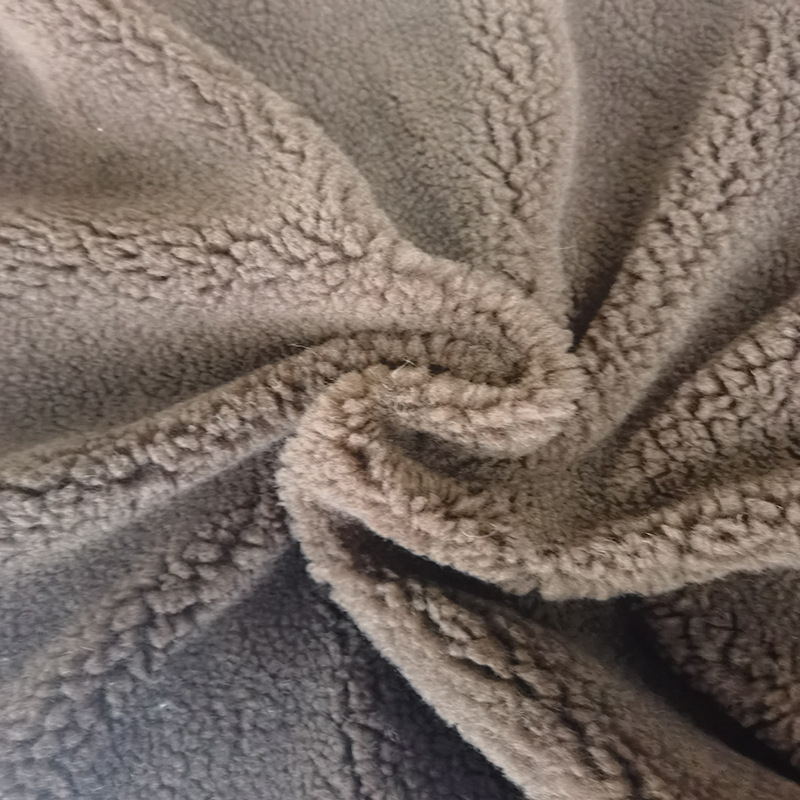
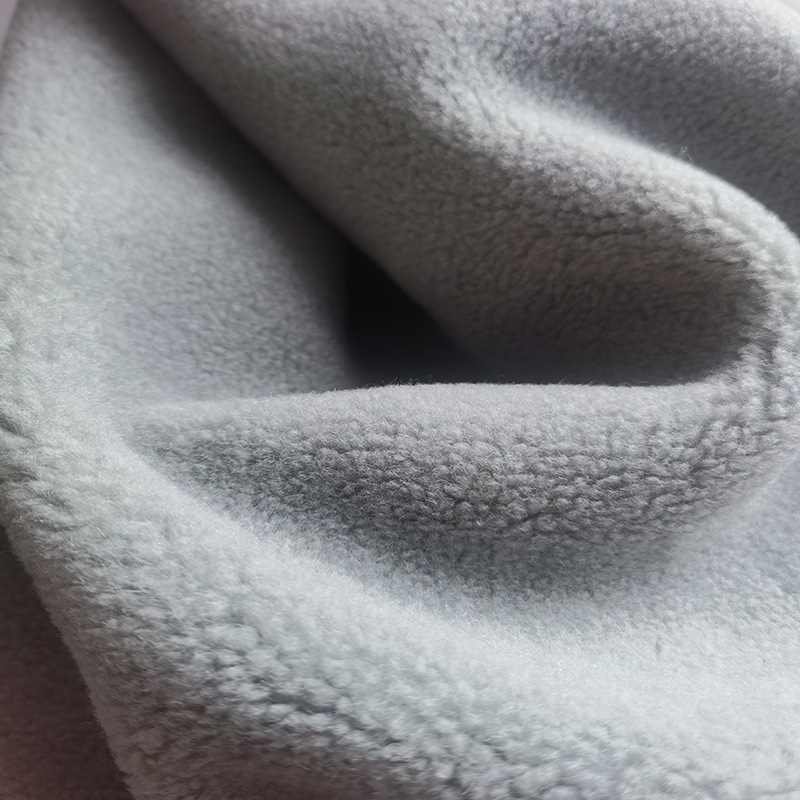
Flocking materials refer to the complete system of components used in the flocking process: the short fibers (flock) that form the raised surface, the adhesive that bonds them to the substrate, and the base fabric that provides structural support. Textile flocking is a finishing process where tiny fibers—typically made from polyamide, viscose, or polyester—are electrostatically applied to an adhesive-coated surface, creating a raised velvety texture. When applied to wool fabrics, flocking materials transform the surface into a plush, luxurious finish that is both visually striking and exceptionally comfortable to the touch.
Premium flocking materials for premium wool fabrics are characterized by high fiber uniformity, strong adhesive bonding, and compatibility with wool’s natural properties. Fiber diameters typically range from 0.5 to 3.5 denier, with cut lengths from 0.3 mm to 5.0 mm depending on the desired texture. The electrostatic flocking process uses an electric field to orient fibers perpendicularly to the substrate, achieving uniform coverage and optimal adhesion.
How Flocking Materials Improve Wool Fabric Quality
Flocking materials enhance wool fabric quality across multiple dimensions simultaneously. The benefits of flocking materials in textile production extend beyond aesthetics to include functional performance improvements that are especially valuable for high-end applications.
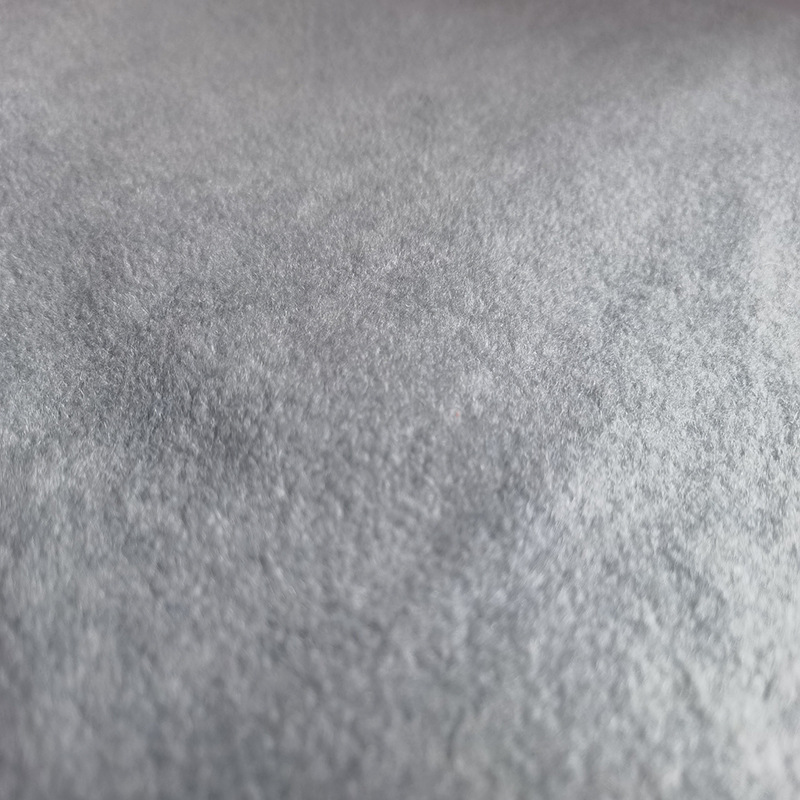
Superior softness and tactile appeal. Wool fibers naturally provide warmth and comfort, but the addition of a flocked surface elevates the hand feel to a new level of softness. The flock fibers create a velvety texture reminiscent of chamois or suede, making the fabric exceptionally pleasant to wear against the skin.
Increased fabric durability for high-end wool textiles. High-end wool garments must withstand repeated wear and cleaning without losing their premium character. Flocking materials applied with high-quality adhesives create a durable bond that resists wear, maintaining their texture even after multiple cleaning cycles. Standard flocked textiles can be washed at temperatures up to 60°C without significant degradation.
Enhanced visual depth and texture. Unlike flat finishes, flocked wool fabrics exhibit a three-dimensional surface that catches light differently from every angle. This visual richness is particularly valued in fashion items such as coats, jackets, and accessories, where surface interest adds perceived value.
Thermal and acoustic insulation. Beyond aesthetics, flocked surfaces provide practical benefits: they act as good thermal insulators, helping wool fabrics retain warmth more effectively, and offer sound-dampening properties that are appreciated in automotive textiles and high-end interior applications.
Moisture management. Wool’s natural moisture-absorbing and breathable properties are preserved and complemented by the flocked surface, maintaining airflow. The combination of wool’s breathability and the flocked finish creates a fabric that is comfortable across all seasons.
The Electrostatic Flocking Process for Wool Textiles
Understanding how flocking materials are applied helps manufacturers appreciate the precision required to achieve consistent quality in premium applications.
Step 1 – Substrate preparation. The base fabric receives an application of a specialized adhesive designed for wool compatibility. The adhesive formulation must bond strongly to both the flock fibers and the wool substrate while maintaining flexibility and wash resistance.
Step 2 – Fiber selection and preparation. Short fibers—typically 100% wool for premium applications—are precisely cut to uniform lengths. In Hongyang’s premium wool flocking materials, for example, the pile face is 100% wool, ensuring that the flocked surface maintains the same natural fiber characteristics as the rest of the garment.
Step 3 – Electrostatic application. The prepared fibers are charged in an electric field. The electrostatic force propels the flock fibers toward the adhesive-coated substrate, with the fibers aligning perpendicularly to the surface—exactly as required for optimal texture and durability.
Step 4 – Curing and finishing. The flocked fabric passes through a curing oven where the adhesive fully sets, locking the fibers in place. Excess, unattached fibers are removed via brushing and vacuuming, leaving a uniform, dense flocked surface.
Electrostatic flocking is the dominant technology for premium textile applications because it achieves superior fiber orientation, uniform density, and the high durability required for washable garments.
Flocking Materials for Premium Wool Fabrics – Hongyang’s Approach
Hongyang Woolen Products Co., Ltd. specializes in producing and supplying knitted flocking, artificial fur, and bulky woolen fabric, with a focus on premium applications. Their flagship product, the Shearling-style Short Pile Fabric, exemplifies how Hongyang flocking materials for fabric manufacturing achieve the high standards demanded by luxury brands.
Key Specifications
-
Weight: 800 g/m² (providing substantial warmth and drape)
-
Pile Face: 100% Wool (ensuring natural fiber consistency)
-
Base Cloth: 100% Polyester (structural stability)
-
Width: 160–180 cm (accommodating standard cutting patterns)
-
Craft: Jacquard woven (allowing both patterned and plain designs)
The combination of 100% wool pile with a polyester base cloth strikes an optimal balance: the wool surface delivers the expected natural softness, breathability, and constant-temperature effect, while the polyester base provides dimensional stability, wrinkle resistance, and ease of care.
Hongyang also offers extensive customization: styles, pile heights, weights, colors, and raw material compositions can be tailored to specific customer requirements, enabling brands to achieve distinct product identities.
High-End Wool Fabrics with Flocking Materials – Real-World Applications
The integration of flocking materials into high-end wool fabrics has enabled manufacturers to create differentiated products across the premium textile market.
Fashion outerwear. Coats and jackets benefit most visibly from flocking: the raised, plush surface adds a tactile luxury that mass-market fabrics cannot replicate. The fabric’s good drape—combining softness with sufficient stiffness—makes it suitable for structured garments such as tailored coats.
Premium accessories. Hats, scarves, gloves, and bags made with flocked wool fabrics command higher retail prices because the added texture signals quality and craftsmanship.
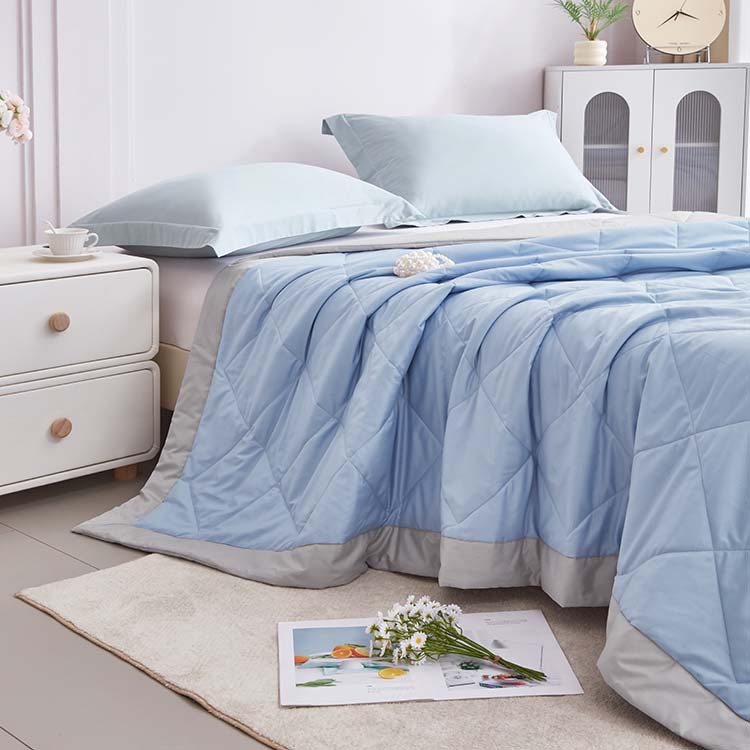
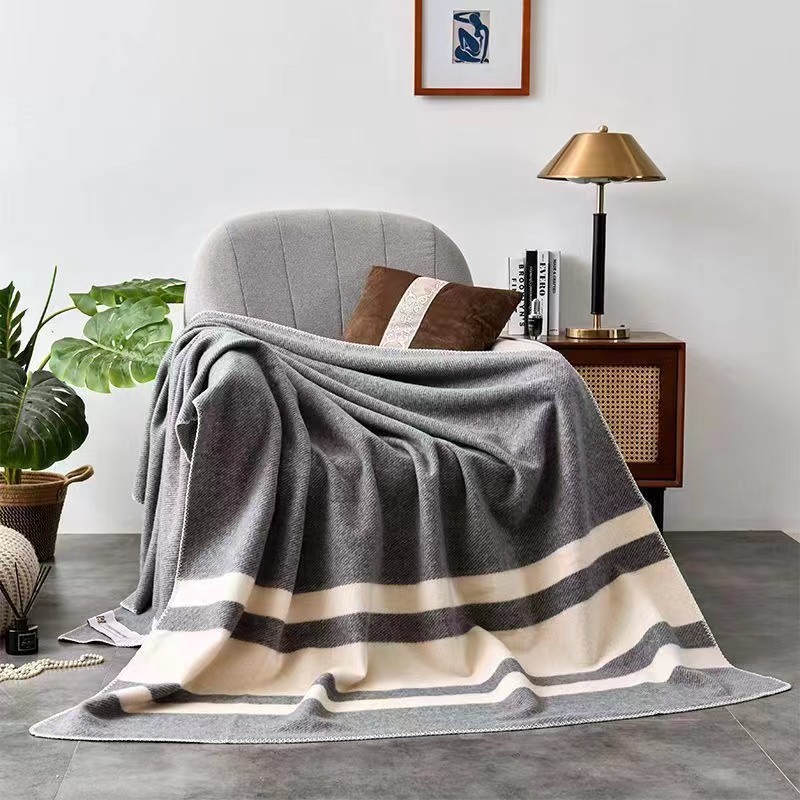
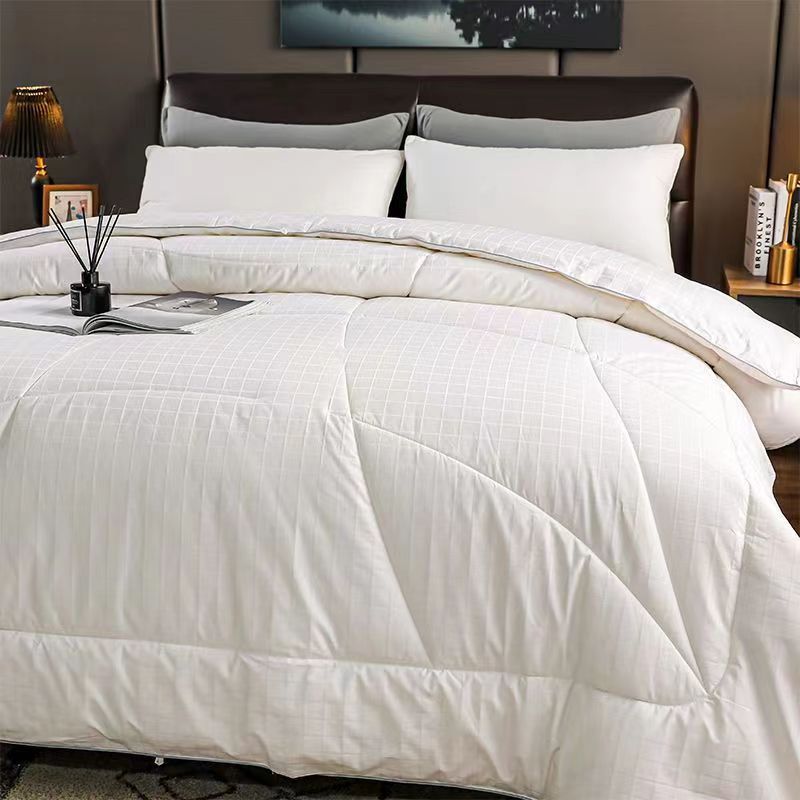
Home textiles. High-end wool throws, blankets, and cushions using flocking materials achieve a lofted, insulating surface that is both visually plush and functionally warm. The wool’s constant-temperature effect ensures comfort across seasons.
Automotive interiors. Luxury vehicle manufacturers use flocked wool fabrics for seat inserts, headliners, and door panels. The flocking materials reduce water condensation, act as good thermal insulators, and provide a premium tactile experience.
Footwear and accessories. Lining materials for high-end shoes and boots benefit from the soft, moisture-absorbing properties of flocked wool against the foot.
Flocking vs. Other Textile Finishing Methods – A Comparison
To understand the unique value of flocking materials, it helps to compare this technique with alternative finishing methods.
| Feature | Flocking | Screen Printing | Brushing/Raising | Coating/ Lamination | |
|---|---|---|---|---|---|
| Surface effect | Raised, velvety, 3D | Flat, ink-based | Raised but textured | Flat or film-like | |
| Texture | Soft, suede-like, tactile | Smooth, prints only | Soft but less uniform | Variable (can be soft or firm) | |
| Durability | High (wash to 60°C) | Moderate | Moderate | High | |
| Visual depth | Excellent (catches light) | Low (flat finish) | Moderate | Low to moderate | |
| Thermal insulation | Yes | No | Slight | Yes (depends on coating) | |
| Sound insulation | Yes | No | No | Yes (depends on material) |
Flock printing creates a raised, soft, velvety finish, while screen printing results in a flat, smooth finish with ink applied directly to the fabric. For premium wool fabrics where tactile luxury matters, flocking delivers a dimension of quality that flat printing cannot replicate.
Flocked surfaces also reduce water condensation, act as thermal insulators, and have been used in the automotive industry for years for such items as glove compartments, door moldings, and window trim.
How to Select Flocking Materials for Wool Fabric Manufacturing
For manufacturers looking to integrate flocking materials into their production lines, the following considerations guide smart sourcing decisions.
Fiber composition. For premium wool applications, the flock fibers should match the substrate’s natural fiber character when possible. A 100% wool flock maintains material consistency, as found in Hongyang’s premium wool products. For cost-sensitive or performance-focused applications, polyester or nylon flock may be appropriate.
Adhesive compatibility. The adhesive formulation must bond effectively to both the flock fibers and the wool base fabric. Factors to verify include wash resistance (temperature rating), flexibility (softness after curing), and environmental compliance (low-VOC options).
Base fabric construction. The substrate fabric—whether 100% polyester for structural support or a wool blend for uniform composition—affects final performance. Ensure that base fabric selection aligns with the end-use application: woven for structure, knitted for stretch and drape.
Customization capability. For brand differentiation, suppliers who can adjust pile height, weight, color, and raw material composition offer significant value. Hongyang notes that they can produce similar products according to customer-specified raw material compositions.
Quality consistency. Technical data sheets and test reports should demonstrate batch-to-batch uniformity in fiber length, adhesive application, and finished fabric properties.
Market Trends – The Growing Demand for Flocking Materials
The flocking materials market is expanding steadily, driven by rising demand in textiles, automotive interiors, and packaging. The global flock binder market was valued at approximately USD 540 million in 2025 and is projected to reach USD 880 million by 2035, recording a CAGR of 5.0%.
Asia-Pacific, particularly China, is the fastest-growing region for flocking materials, supported by robust textile manufacturing and rising consumer demand for premium fabric finishes. Between 2025 and 2030, the flock binder market is expected to expand by USD 950 million, driven primarily by automotive interiors and textile manufacturing in the Asia-Pacific.
Within the high-end wool segment, premium flocking materials suppliers such as Hongyang are well-positioned to capture growth as brands increasingly recognize flocking’s ability to differentiate products in competitive markets.
Sustainability Considerations for Flocking Materials
As the textile industry moves toward more sustainable manufacturing, flocking materials suppliers are adapting through several approaches.
Natural fiber flock. Using wool flock fibers aligns with circular economy principles—wool is renewable, biodegradable, and has a lower environmental impact than synthetic alternatives.
Closed-loop processes. Advanced electrostatic flocking equipment minimizes material waste: excess fibers can often be collected and reused. Modern flocking adhesives increasingly use water-based formulations with reduced volatile organic compound (VOC) content.
Durability as sustainability. The high durability of flocked textiles means garments last longer, reducing the environmental footprint associated with replacement purchases. Wash resistance up to 60°C (140°F) ensures that flocked wool garments can maintain their quality through many wash cycles.
FAQ
Q1: What are flocking materials used for in wool textiles?
Flocking materials create a soft, velvety surface on wool fabrics, adding visual depth, tactile luxury, UV protection, and functional benefits like thermal and acoustic insulation.
Q2: How do flocking materials improve wool fabric quality?
They enhance softness, durability (washable up to 60°C), moisture management, thermal insulation, and overall aesthetic appeal.
Q3: Are flocked wool fabrics suitable for high-end fashion?
Yes. Flocked wool fabrics are extensively used in premium coats, jackets, accessories, and home textiles, where surface luxury is a key selling point.
Q4: Can flocking materials be customized for specific applications?
Yes. Leading suppliers like Hongyang offer customization of pile height, weight, color, raw material composition, and base fabric construction based on customer requirements.
Q5: How durable are flocked wool textiles?
When produced with high-quality flocking materials, flocked textiles offer excellent wash resistance (standard textiles up to 60°C) and maintain their texture through repeated use and cleaning cycles.
Conclusion
Flocking materials have become indispensable in high-end wool textile manufacturing, enabling brands to distinguish their products through superior softness, visual depth, durability, and functional performance. The electrostatic flocking process—combined with carefully selected wool flock fibers, compatible adhesives, and appropriate base fabrics—transforms standard wool fabrics into premium finished goods that command higher retail prices and build stronger brand loyalty.
For manufacturers seeking to elevate their wool product lines, understanding the benefits of flocking materials, the technical requirements for successful application, and the criteria for selecting qualified suppliers is essential. As the global market for flocking materials continues to grow—with the flock binder market projected to reach USD 880 million by 2035—early adoption of advanced flocking technologies offers a competitive advantage in the premium textile segment.
Explore the benefits of premium flocking materials in wool fabric production with Nantong Hongyang Woolen Products Co., Ltd. Our knitted flocking, artificial fur, and bulky woolen fabrics feature 100% wool pile faces and fully customizable specifications. Request samples, discuss custom styles, or inquire about wholesale options on our flocking materials product page, or contact us for personalized assistance. High-quality flocking materials improve texture, durability, and appearance, giving your wool textiles a refined finish.