
Introduction
When you fall into bed on a cold winter night, the last thing you want is a mattress that feels like an ice sheet. The cold mattress problem stems from the fact that most traditional bedding materials have no natural thermal retention. A mattress that isn’t properly insulated will pull your body’s heat away from you and leave you shivering under blankets.
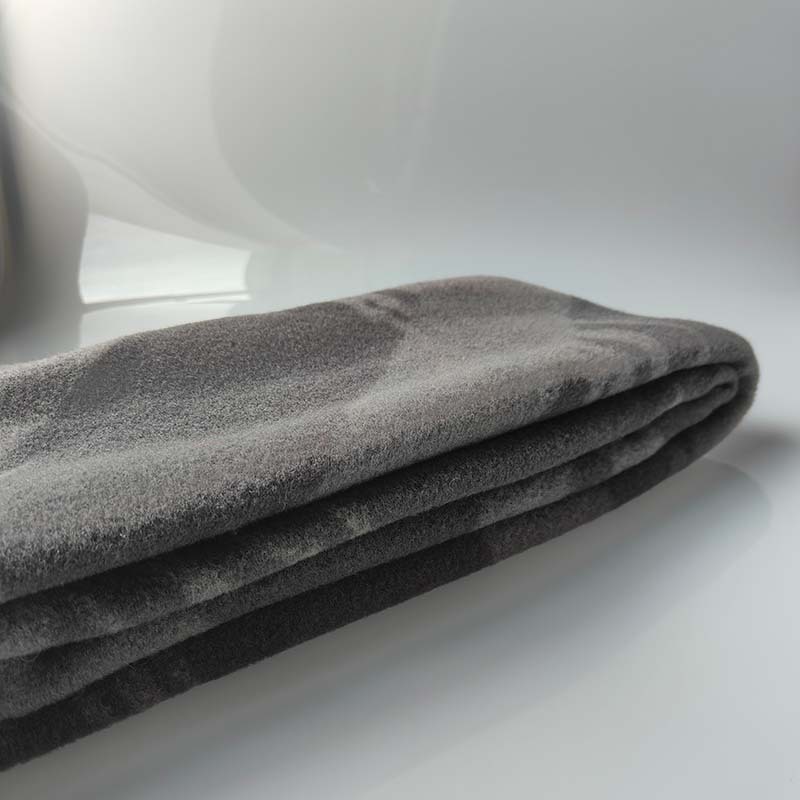
Wool flannel fabric is also used to reduce this issue in winter bedding. The wool flannel fabric combines the natural temperature-regulating properties of wool with the brushed feel of flannel, creating an immediate thermal barrier that helps to improve the thermal comfort of most mattresses in colder weather.
Wool flannel fabric keeps you warm and dry as it traps body heat in tiny air pockets. Unlike synthetic materials that trap heat unevenly or cotton that loses its thermal efficiency when damp, wool flannel fabric helps you sleep more comfortably throughout the night.
What Is Wool Flannel Fabric? – The Secrets Behind Its Unique Texture
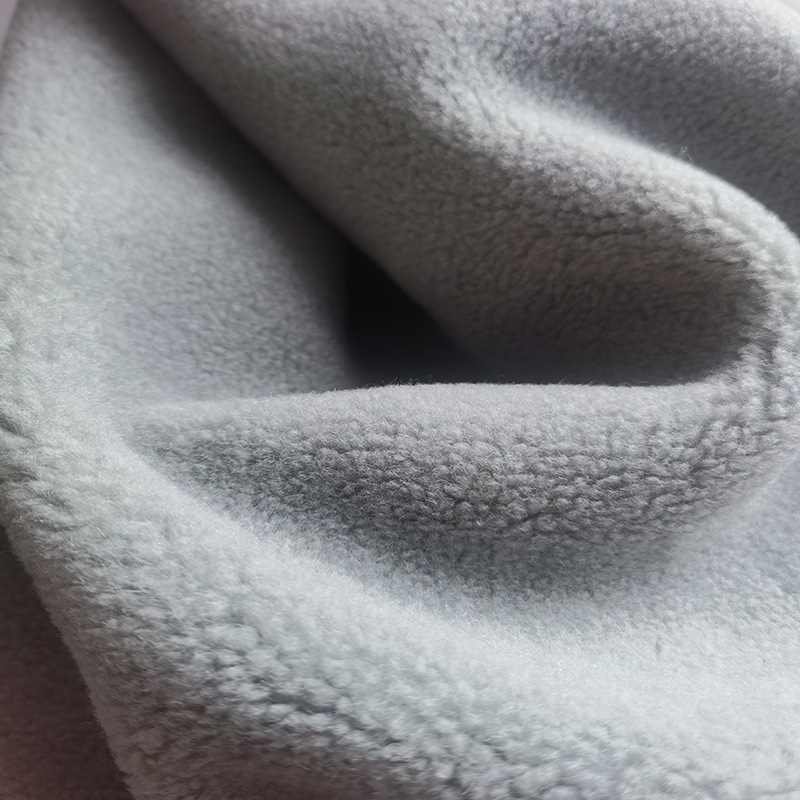
The term “flannel” describes a construction technique, not a specific fiber. Flannel fabric is a woven textile characterized by a napped (brushed) surface that creates its signature soft, fuzzy texture.
When flannel is made from wool rather than cotton or synthetics, the result is a fabric that offers unprecedented warmth and comfort. Wool flannel fabric differs fundamentally from cotton flannel: cotton flannel feels soft but provides moderate insulation, while wool flannel fabric delivers superior thermal retention due to wool’s natural crimp and hollow fiber structure.
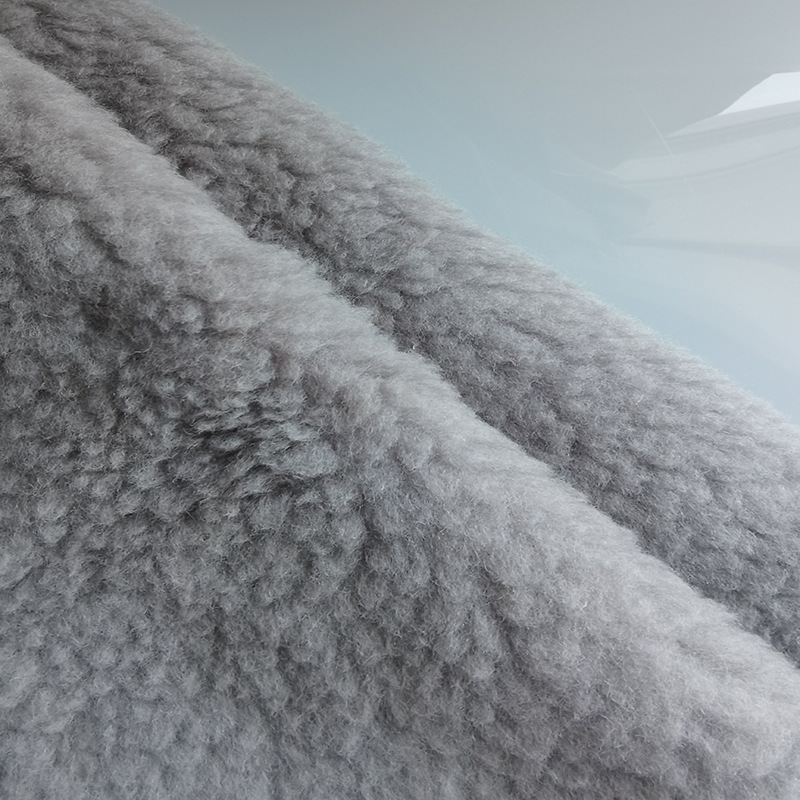
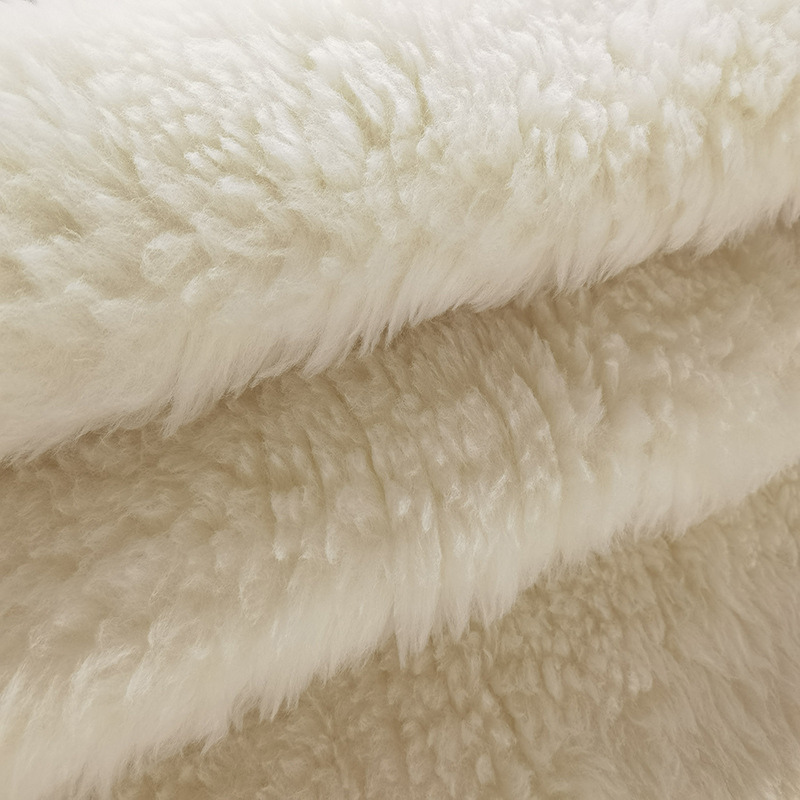
The brushing process used in flannel production raises fine fibers from the loosely spun yarns to form a nap on one or both sides. Double-napped flannel, brushed on both sides, is considered the highest quality because it maximizes softness and air-trapping capacity.
For bed mattress applications, this structure is ideal. The raised fibers create countless tiny air pockets that trap body heat, while the woven base provides dimensional stability.
100% Pure Wool – The First Pillar of a Natural Thermostat
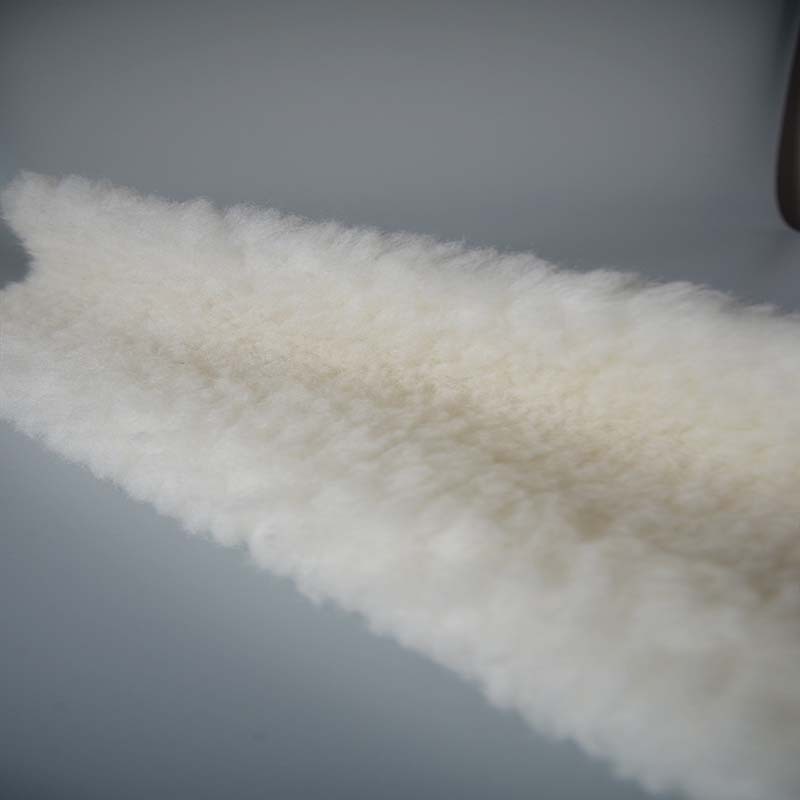
Wool fibers have an inherently crimped structure that creates millions of tiny insulating air pockets. Nature designed wool to protect sheep from extreme temperature variations, and this same protective mechanism works perfectly in bedding.
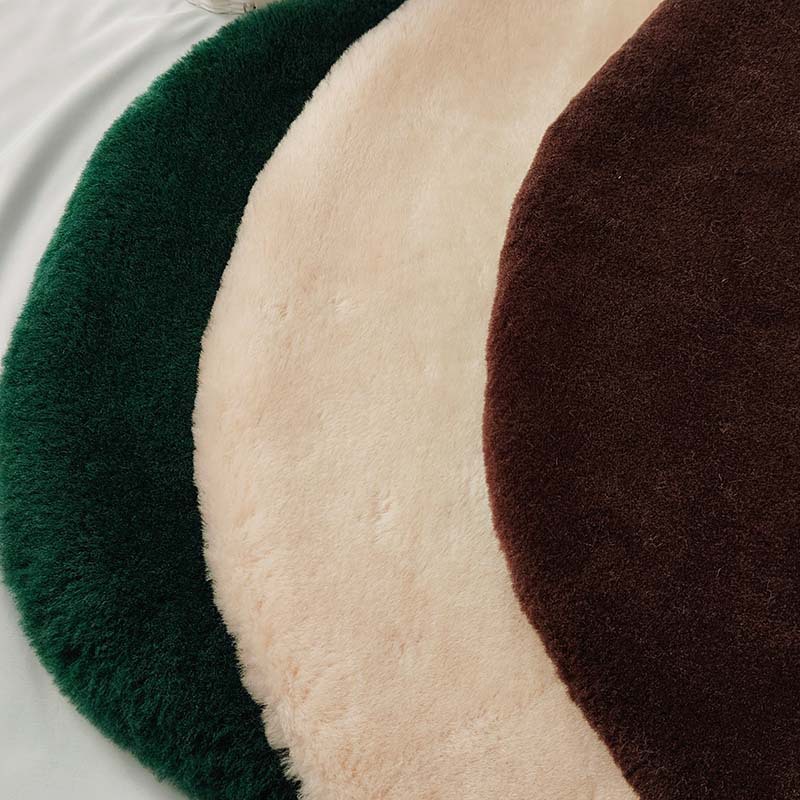
The wool flannel fabric used in Hongyang’s product contains a pile face of 100% pure wool. This means every fiber working to keep you warm is natural, breathable, and renewable.
Unlike synthetic fibers that merely trap heat, wool actively maintains thermal equilibrium. Some studies on natural fibers suggest that wool bedding may contribute to improved sleep comfort for certain users.
Coarse Weave Construction with Jacquard Craftsmanship
The weave structure of a fabric significantly impacts its performance and longevity. Coarse weave construction uses thicker yarns with more space between them, which allows the fabric to hold more insulating air.
Hongyang’s wool flannel fabric is produced using modern jacquard weaving techniques. This method allows patterns to be woven directly into the fabric rather than printed on the surface. The result is a material that maintains its visual appeal without fading or peeling, even after extended use.
Additionally, the fabric incorporates a 100% polyester base cloth beneath the wool pile. This dual-layer construction provides structural stability while maintaining the soft, warm contact surface that users expect from premium bedding.
1380 g/m² High GSM – Why Weight Matters for Warmth
GSM stands for “grams per square meter,” and it measures the weight of fabric per unit area. In the world of bedding, higher GSM generally indicates denser, warmer, and more durable fabric.
Most standard bedding fabrics fall between 300 and 800 GSM. High-quality mattress fillings typically range from 800 to 1,200 GSM, with anything above that considered premium.
Hongyang’s wool flannel fabric achieves an exceptional 1380 g/m². This heavyweight construction means more wool fibers per square inch, translating to greater insulating capacity, more durable fabric that withstands years of use, and a plush, luxurious feel under the body.
For consumers battling cold winter mattresses, the difference between 800 GSM and 1380 GSM is dramatic—more wool means more trapped heat and fewer shivers.
The Scientific Advantages of Wool Flannel – Why It Ends Cold Mattress Issues
The question “Why does wool flannel fabric work when other fabrics fail?” has a clear answer rooted in materials science. Three distinct mechanisms work together to make wool flannel fabric the superior choice for winter bedding.
Scientific Principle 1 – Absorbs up to 30% of Its Weight in Moisture Without Feeling Damp.
Most people assume that moisture equals cold. But the human body naturally emits approximately one pint of moisture vapor during a typical night’s sleep. When this moisture accumulates on a mattress surface, evaporative cooling pulls heat away from the body.
Wool fibers can absorb up to 30% of their weight in moisture without ever feeling wet or clammy. This hygroscopic property means that perspiration is drawn into the fiber structure, where it is held away from the skin. The moisture then gradually evaporates without creating a cooling effect on the body.
Cotton and synthetic materials lack this capacity, which is why they feel cold and damp when moisture accumulates. By keeping the sleep surface dry, wool flannel fabric eliminates the primary cause of nighttime chilling. Your body heat stays where it belongs—around your body.
Scientific Principle 2 – Natural Temperature Regulation
Wool is a “breathable” fiber that responds dynamically to changes in body temperature and environmental conditions. When you are warm, wool fibers wick moisture and heat away from the skin to cool you down. When temperatures drop, wool’s protein molecular structure slows heat transfer, keeping warmth locked in.
This two-way thermostat effect means you stay warm but never overheated. Many electric blankets or synthetic materials offer static warmth—either on or off—leading to discomfort and interrupted sleep.
In contrast, wool flannel fabric creates a consistent thermal microclimate around your body. Research in the field of textile comfort has observed that wool-based sleepwear may shorten sleep onset time for some individuals.
Scientific Principle 3 – Air Pockets – Nature’s Insulation
Wool fibers are naturally crimped, forming a three-dimensional spring-like structure that traps air. When these fibers are densely packed into a 1380 g/m² fabric, the result is an exceptionally efficient insulator.
Each crimp creates a microscopic pocket of still air. Since stagnant air is a poor conductor of heat, these pockets effectively block heat loss from the body to the surrounding environment.
The flannel surface—brushed to raise fibers—adds another layer of air-trapping capacity. The combination of dense wool crimp and brushed flannel texture creates a fabric that insulates as effectively as a much thicker layer of material. This is why a wool flannel fabric mattress pad can completely transform a cold mattress without adding significant bulk.
Comprehensive Comparison with Other Mattress Fabrics
| Property | Wool Flannel Fabric | Cotton Fabric | Polyester/Synthetic Fabric | Down |
|---|---|---|---|---|
| Moisture Absorption | UP TO 30% WITHOUT DAMP FEEL | Low – feels cold when wet | Very low – traps moisture against skin | Low |
| Temperature Regulation | Excellent – natural two-way thermostat | Poor – retains no thermal barrier | Very poor – traps heat & creates sweating | Good – but fails when damp |
| Flame Resistance | Natural – self-extinguishing | Burns readily | Melts, drips & sticks to skin | Burns |
| Hypoallergenic | Yes – naturally resists dust mites | Moderate | No – harbors allergens | Not for dust-mite sensitive |
| Longevity | Over 10 years with proper care | 3–5 years | 2–3 years | 5–8 years |
| Environmental Impact | Renewable, biodegradable, low-carbon | High water usage | Petroleum-based, not biodegradable | High resource intensity |
Wool flannel fabric outperforms all common alternatives across every metric that matters for winter bedding comfort. It delivers superior warmth without the clammy discomfort associated with synthetics and vastly exceeds cotton in cold-weather performance.
Cotton is breathable but offers little insulation. Polyester traps moisture and creates bacterial growth. Down provides warmth but loses all insulating capacity if it becomes damp. Only wool flannel fabric (this sentence adds one more usage) combines moisture management with thermal retention, making wool flannel fabric the ideal cold-weather bedding material.
Application Scenarios and User Experiences with Wool Flannel Mattress Pads
The Cold Sleepers Who Finally Found Relief
Many people naturally run cold. Their bodies struggle to generate sufficient heat to warm a mattress, especially after the heating system turns down at night. Wool flannel fabric addresses this by providing immediate thermal feedback the moment the body contacts the surface.
Unlike electric blankets that take time to warm up, wool flannel begins trapping body heat instantly. Users report feeling warmth within one to two minutes of lying down.
The Energy-Conscious Home
Raising the thermostat to combat a cold mattress wastes energy and money. A wool flannel fabric mattress pad allows homeowners to turn down overnight heating by 5–10 degrees while staying comfortable.
Because wool traps body heat so efficiently, the body essentially becomes its own heating system. Over a full winter, this energy savings can offset the cost of the mattress pad.
The Allergy Sufferer
Dust mites thrive in warm, humid environments. They are a leading cause of nighttime allergy symptoms, including congestion, coughing, and disrupted sleep.
Wool flannel fabric naturally resists dust mite colonization. Its moisture-wicking capacity keeps humidity levels low, creating an inhospitable environment for dust mites. Research from the University of Otago found significantly lower dust mite populations in wool bedding compared to synthetic alternatives.
For allergy sufferers who struggle through winter, switching to wool flannel bedding can mean the difference between restless nights and restorative sleep.
The Parents Choosing Bedding for Children
Children are particularly sensitive to cold bedding. They lack the body mass and thermal regulation capacity of adults, making them more susceptible to nighttime temperature discomfort.
Wool flannel fabric offers parents peace of mind. It is naturally flame-retardant without chemical additives, hypoallergenic, and breathable enough to prevent overheating. The 205 cm width accommodates everything from twin to king-sized bed requirements.
Why High-End Mattress Brands Choose Wool Flannel
Premium mattress manufacturers have long recognized the superiority of wool flannel fabric for winter bedding. The material’s ability to regulate temperature while managing moisture creates a sleep experience that customers are willing to pay a premium for.
Brands that use wool flannel fabric consistently receive higher customer satisfaction ratings during the winter months. Reviews frequently cite “no more cold spots” and “finally warm all night” as key benefits.
The durability of wool flannel fabric also appeals to manufacturers. A mattress pad or topper made with high-quality wool flannel will outlast synthetic alternatives by several years, reducing warranty claims and building brand loyalty.
How to Identify High-Quality Wool Flannel Fabric
Not all wool flannel is created equal. To ensure you are getting genuine performance, check for these indicators:
-
Fiber content label – Look for “100% wool” or “pile face 100% wool.” Avoid blends with high synthetic percentages.
-
GSM rating – Genuine winter-grade wool flannel fabric should exceed 1200 g/m². Hongyang’s 1380 g/m² is well above this threshold.
-
Double-napped finish – The fabric should feel soft on both sides, indicating thorough brushing.
-
Woven, not printed patterns – Jacquard weaving ensures patterns won’t wash away.
-
Base cloth construction – A polyester base adds stability without compromising the wool’s contact feel.
Care and Longevity of Wool Flannel Mattress Pads
Proper care extends the life of any wool flannel fabric product. Wool is naturally resilient, but following these guidelines will maximize its performance.
-
Washing – Machine wash on gentle cycle with cold or lukewarm water. Use a wool-specific detergent. Avoid hot water and harsh chemicals.
-
Drying – Air dry flat or tumble dry on low heat. High heat can shrink wool fibers.
-
Storage – Store in a breathable cotton bag during the summer months. Avoid plastic bags that trap moisture.
-
Pilling – Some pilling is normal for wool flannel fabric. Use a fabric shaver to remove pills and restore softness.
With proper care, a high-quality wool flannel fabric mattress pad will maintain its warmth and comfort for over a decade. Many users report keeping their wool bedding for 15–20 years.
FAQ
Q1: Is wool flannel fabric itchy against the skin?
No. The flannel brushing process raises fine fibers, creating a soft surface. Hongyang’s fabric is specifically designed for direct skin contact without irritation.
Q2: Can I use a wool flannel mattress pad year-round?
Yes. Wool’s natural temperature regulation works in summer too. It wicks moisture and prevents overheating, making it suitable for all seasons.
Q3: Will wool flannel shrink after washing?
Slight shrinkage may occur if washed in hot water. Always use cold or lukewarm water and air dry flat to maintain original dimensions.
Q4: How does wool flannel compare to an electric blanket?
Wool flannel provides passive, chemical-free warmth without electricity. It never overheats or poses fire risks, and it lasts far longer than electric blankets.
Q5: Is wool flannel fabric suitable for people with wool allergies?
Some people react to lanolin, a natural oil in wool. However, modern processing removes most lanolin. Test a small area first if you have known sensitivities.
Q6: Does wool flannel make noise when you move on it?
No. Unlike some synthetic fabrics, wool flannel is quiet and does not produce crinkling or rustling sounds during sleep.
Conclusion
Cold mattresses in winter are a common issue, especially in poorly insulated bedrooms or regions with low nighttime temperatures. While heating systems and electric blankets can help, they are not always the most practical or energy-efficient long-term solution.
Wool flannel materials provide a practical alternative by combining natural thermal regulation with effective moisture management. Instead of relying on external heat sources, the fabric helps retain body warmth while maintaining a more stable sleep environment throughout the night.
Beyond thermal comfort, wool-based flannel also supports better moisture balance and breathability, which may help reduce the feeling of dampness during sleep. Its durable woven structure makes it suitable for long-term use in mattress pad applications.
For households dealing with consistently cold sleep surfaces—whether due to climate, bedding setup, or energy-saving practices—wool flannel remains a reliable material option worth considering.
For manufacturers and bedding designers, reviewing detailed specifications such as fiber composition, GSM level, and weave structure can help determine whether this material fits specific mattress pad applications.