Women’s wool clothing has traditionally influenced the fashion world for centuries, but it never seems to have lost popularity. From tailored coats and beautiful skirts to contemporary minimalism, wool continues to demonstrate that natural materials still have a significant impact in an era of quick-fix and synthetic approaches. This article is written from the perspective of a product page; it focuses on the structure, clarity, and readability of the page, while also providing enough depth to support long-tail keyword rankings and consumer decision-making. The objective is simple: to help readers understand the true nature of women’s wool fabric – what it is, how it functions, and why it is still popular across seasons.
Women’s wool fabric is not singularly composed of a material, but instead is a class that encompasses a variety of textile configurations, fiber lengths, surface treatments, and intended uses. At its core, it’s defined by the utilization of wool fibers that are often incorporated or engineered through superior weaving methods. This results in warmth, comfort, structure, and beauty.
Unlike fabric that follows a trend and then vanishes with the passing of seasons, wool develops over a long period of time. Designers take it upon themselves to alter it through the use of texture, pattern, and finish, while its basic properties are still unchanged. This stability is precisely what enables the value of women’s wool fabric to be recognized by both consumers and manufacturers.
From a manufacturing perspective, wool is exceptional at responding to methods like jacquard weaving, top-dyed coloration, and piece-dyed finishing. These processes facilitate the creation of fabrics that range from the natural and understated to the bold and fashion-forward, without compromising on durability or comfort.
The Role of Wool in Women’s Fashion
A Material Designed for Silhouette and Structure
Women require more clothing than men do. They need to have drape, stretchiness, and a shape that is retained. Wool fibers have a natural tendency to crimp, which means that they will bend and regrow without becoming permanently deformed. This promotes the femininity of wool fabric by balancing the softness of the fabric with its structural integrity.
Coats made of wool will maintain their shape even after being used multiple times. Skirts flow easily without adhering. Dresses are designed to maintain their shape while allowing for movement. These attributes explain the continued popularity of wool in the design of premium women’s outerwear.
Comfort Across All Seasons
One of wool’s least understood qualities is its temperature-regulating behavior. Wool fibers trap air when it is cold and release heat when it is warm. This makes women’s wool fabric suitable not only for winter coats, but also for spring jackets, autumn layers, and even breathable summer garments when engineered with lighter pile or open structures.
This four-season adaptability significantly increases product value for both retailers and consumers.
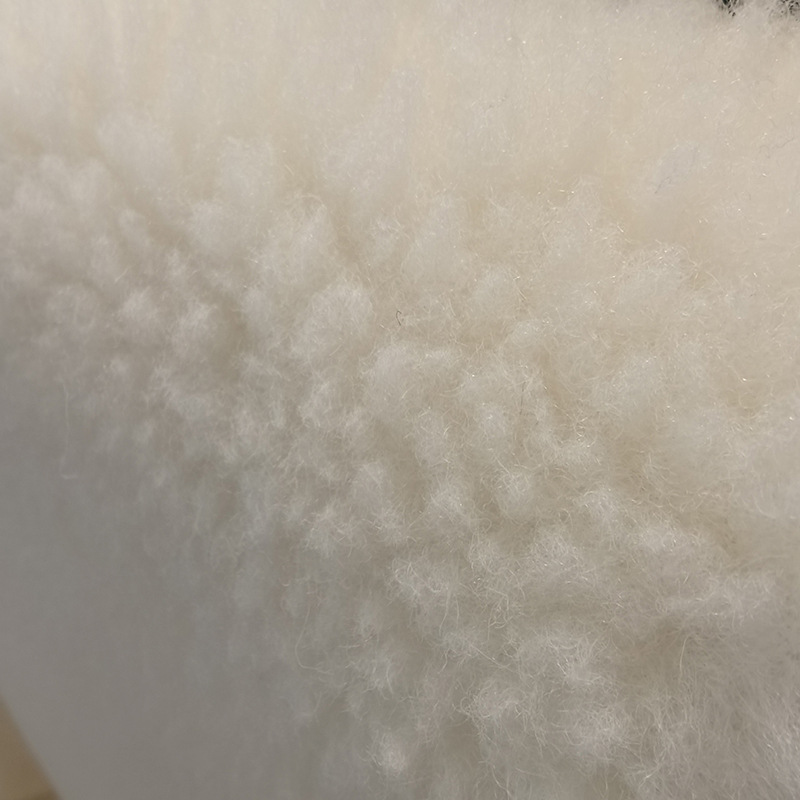
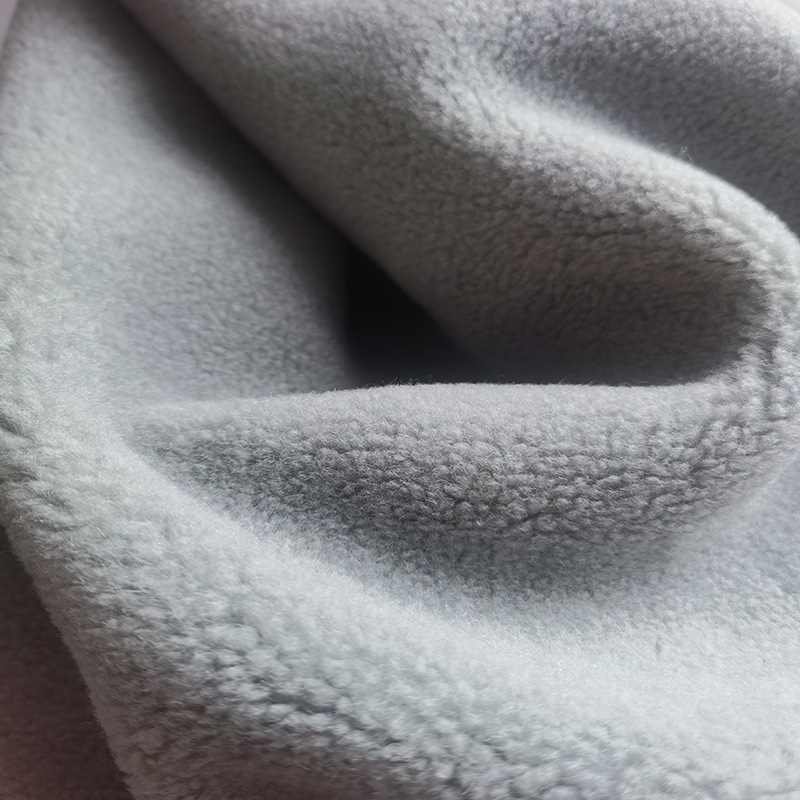
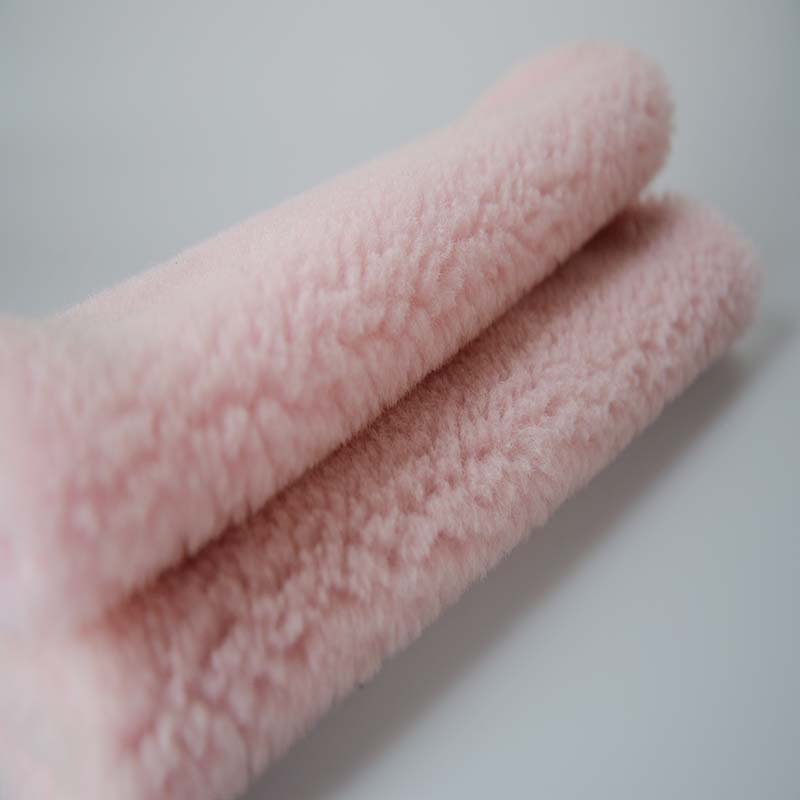
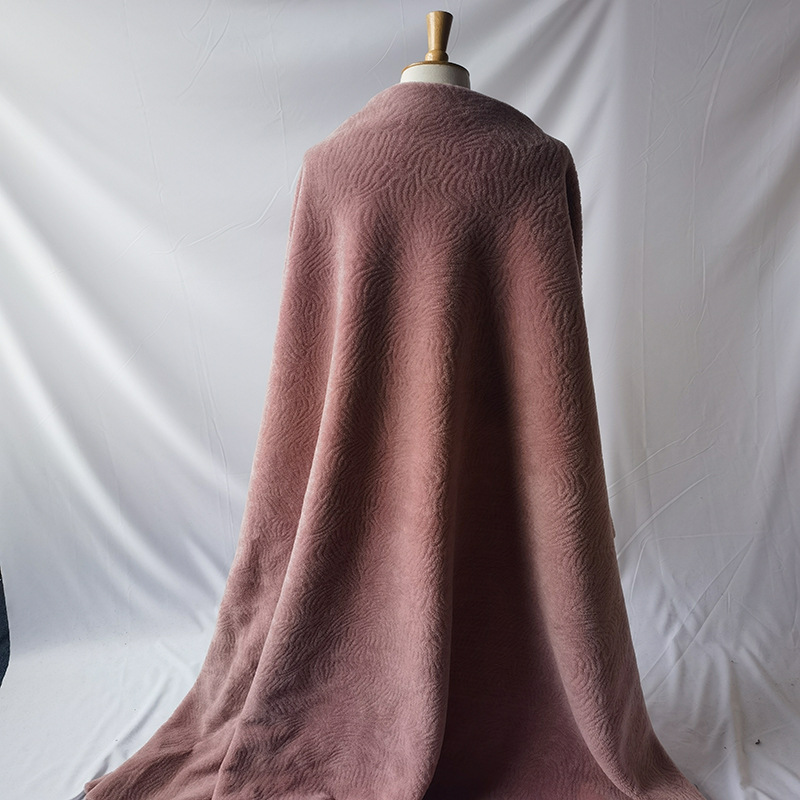
Shearling-Style Short Pile Women’s Wool Fabric
This shearling-style short-pile wool fabric is designed to meet modern fashion and functional requirements while maintaining a luxurious appearance.
- Product Name: Shearling-Style Short Pile Fabric
- Craft: Jacquard Woven
- Pile Face: 100% Wool
- Base Cloth: 100% Polyester
- Width: 160 cm
- Weight: 900 g/m²
- Applicable Seasons: Spring, Summer, Autumn, Winter
The combination of a pure wool pile face with a polyester base cloth enhances durability while preserving the natural feel of wool against the skin.
Why Raw Material Control Matters
High-quality women’s wool is fabricated before weaving. The selection of raw materials determines the softness, consistency of color, and long-term performance. Inappropriate fibers may appear to be acceptable at first, but they quickly lose their elasticity, the pill may be too large, or they may feel harsh against the skin.
Our manufacturing process promotes stringent control of raw materials, which only allows for the most carefully selected fibers of wool to be incorporated into the manufacturing process. This produces a fabric that feels more refined, exhibits consistent behavior, and ages with a pleasantness.
Key Material Advantages
- Soft and skin-friendly fiber structure suitable for close-to-body wear
- Natural moisture-absorbing ability that improves comfort
- Breathable construction that reduces overheating
- Rich, stable coloration through advanced dyeing techniques
These characteristics are not marketing embellishments; they are direct outcomes of disciplined material sourcing and controlled processing.
Texture, Appearance, and Visual Depth
Women’s wool fabric is often chosen as much for its appearance as for its function. Texture communicates quality before a garment is ever touched.
Fine and Visible Texture
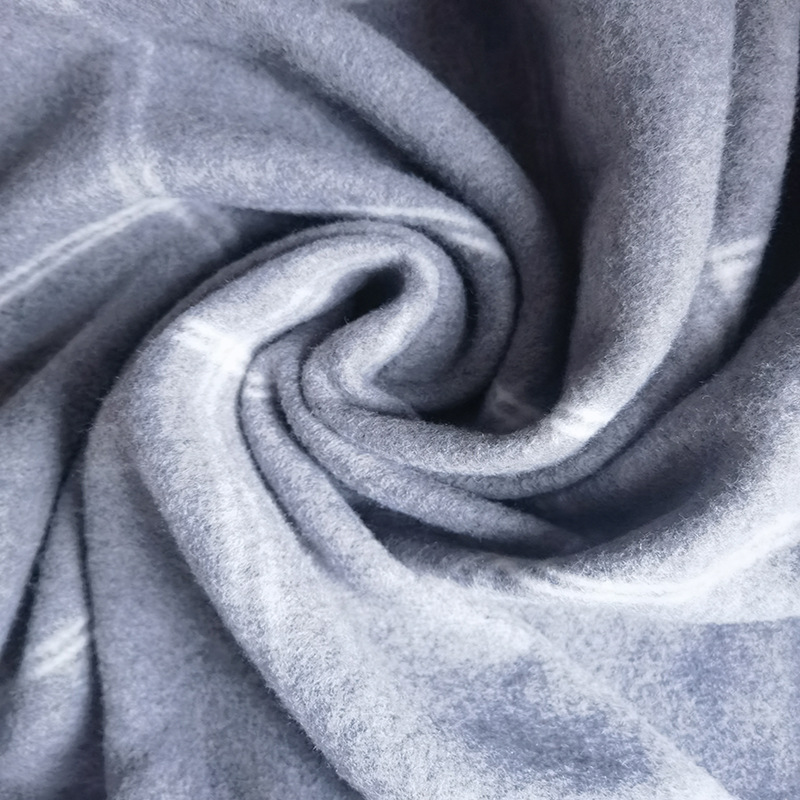
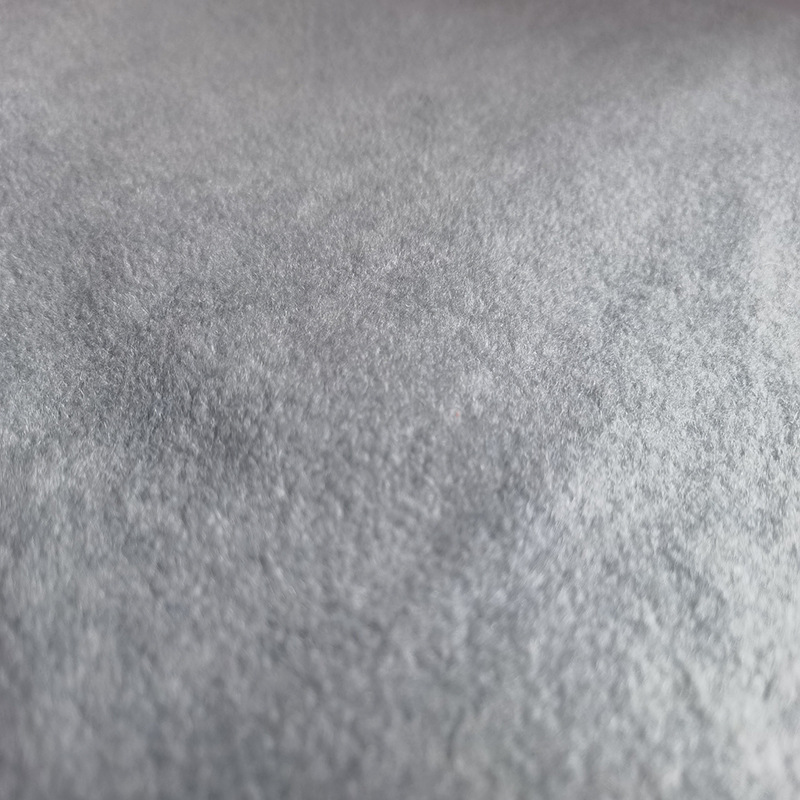
Carefully woven wool fibers create a visually rich surface without appearing heavy. The short pile structure enhances clarity, allowing patterns and colors to appear clean and refined.
Clear Wool Grain
The wool surface is plump and evenly distributed, forming a fluffy yet controlled texture. This clarity of grain gives garments a premium look that translates well in both physical retail environments and online product photography.
Warmth Without Bulk
Warmth is the most common desire for wool; however, modern women’s fashion promotes warmth while avoiding heaviness. This fabric’s thermal comfort is derived from the fiber content, rather than the excessive thickness.
The constant temperature effect of wool ensures that the fabric is warm, while also preventing the stiff, bulky sensation associated with winter fabric. The outcome is a substance that appears light on the body yet shields it from the cold.
Drape and Elastic Recovery
Drape determines how a garment moves with the wearer. Poor drape leads to stiffness; excessive softness causes loss of shape. Women’s wool fabric strikes an ideal balance.
This fabric feels soft and elastic, yet remains structured. It supports silhouettes commonly used in women’s coats, jackets, and fashion outerwear, making it particularly suitable for tailored designs.
Color and Pattern Possibilities
Fashion depends on variety, and wool accommodates this through flexible dyeing and weaving techniques.
Fashionable Patterns
Both patterned and plain designs can be achieved using jacquard weaving. This allows designers to integrate texture and pattern directly into the fabric rather than relying solely on surface printing.
Professional Dyeing Techniques
- Top-dyed processes for vibrant, long-lasting color
- Piece-dyed methods for subtle, uniform tones
- Stable color fixation to prevent fading over time
These options enable fresh, beautiful, and visually stable styles across different collections.
Applications in Women’s Fashion
Women’s wool fabric is remarkably versatile. Its applications extend beyond coats into multiple fashion categories.
- Women’s coats and overcoats
- Fashion jackets and blazers
- Skirts and structured dresses
- High-end casual outerwear
This versatility allows brands to use a single fabric type across multiple product lines, improving inventory efficiency while maintaining design consistency.
Order Placement Process
To ensure clarity and efficiency, the standard order placement process follows a structured workflow.
1. Consult customer service
2. Send color cards or sample cloths
3. Confirm fabric quality
4. Place an order in the store
5. Complete payment
6. Warehouse shipment
7. Logistics delivery
8. Customer receipt
9. After-sales service
Each step is designed to reduce misunderstandings and ensure product satisfaction.
Custom Order Process
For brands requiring unique specifications, a custom order service is available.
1. Consult customer service
2. Provide customer samples or design references
3. Pattern development and quotation
4. Sample production
5. Deposit payment
6. Mass production
7. Warehouse inspection
8. Shipment and delivery
9. After-sales support
Customization allows control over pile height, weight, color, and material composition.
Purchase Notes and Practical Considerations
Pricing for women’s wool fabric depends on several variables, including plush style, raw material composition, and order quantity. Listed prices are temporary references and subject to real-time quotation.
The styles, weights, and specifications shown are representative examples. Final production can be adjusted according to specific requirements. Similar products can be manufactured based on alternative raw material compositions, and packaging solutions can be tailored to logistics needs.
Why Women’s Wool Fabric Remains Relevant
Fashionable trends are subject to change, but the basic principles of material remain. The fabric that women wear is still relevant because it satisfies both emotional and practical needs: comfort, warmth, style, and longevity.
In a market that is increasingly concerned with quality and sustainability, wool’s intrinsic properties serve as a responsible and preferred choice. The brand’s ability to alter design while still maintaining core capabilities will guarantee that it will remain a part of the women’s fashion industry for a long time to come.
The fabric made of wool is more than just a textile; it is also a basis for design. Through selective material selection, advanced weaving, and considerate finalization, it provides comfort, beauty, and versatility in a proportional manner.
For brands that want a long-term gain and consumers who want to wear apparel that feels as good as it looks, women’s wool fabric is still an answer that should be considered every season.