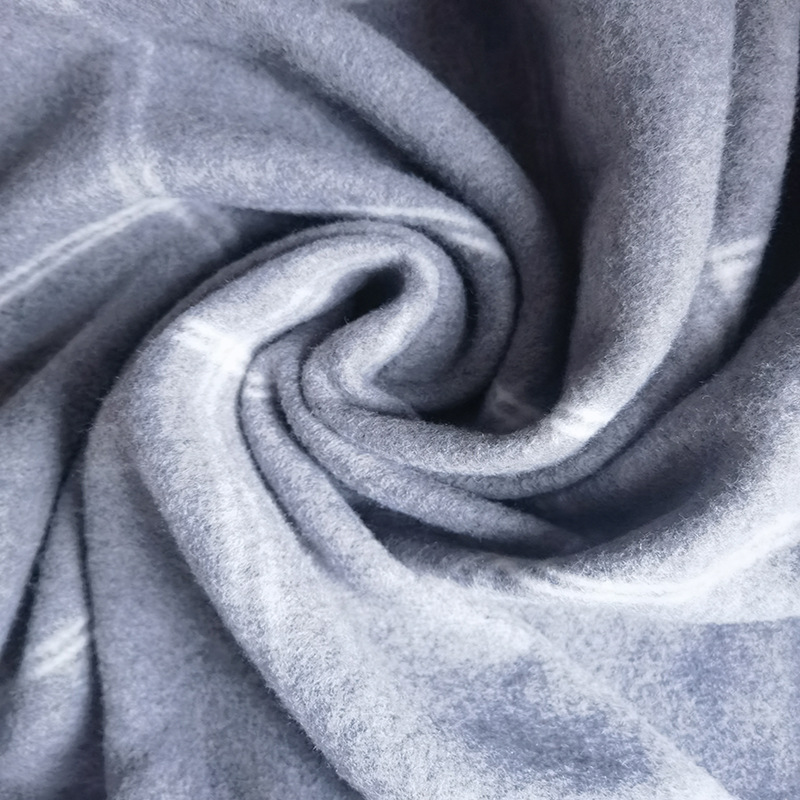
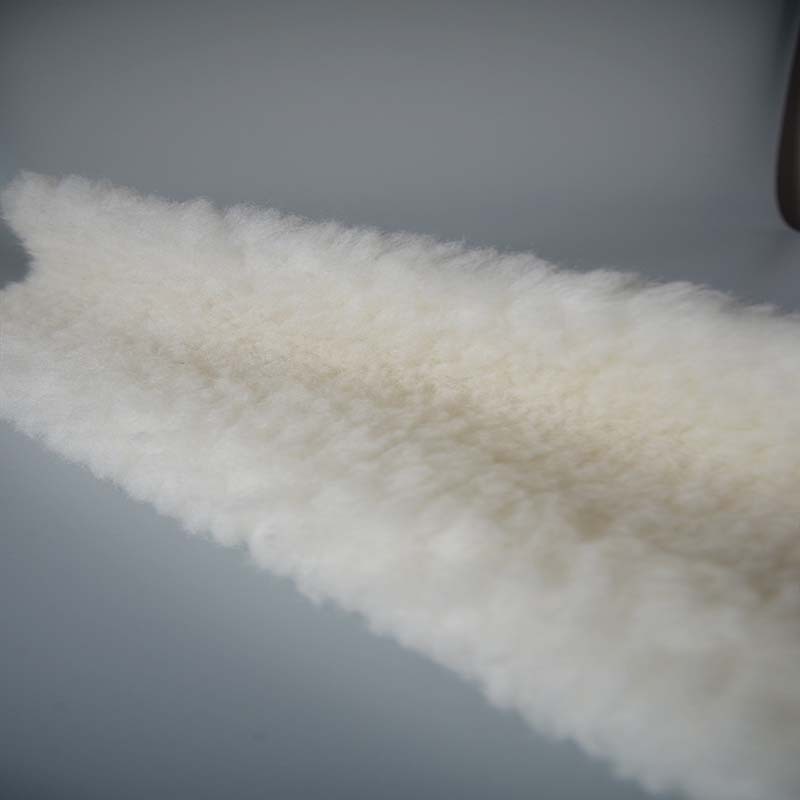
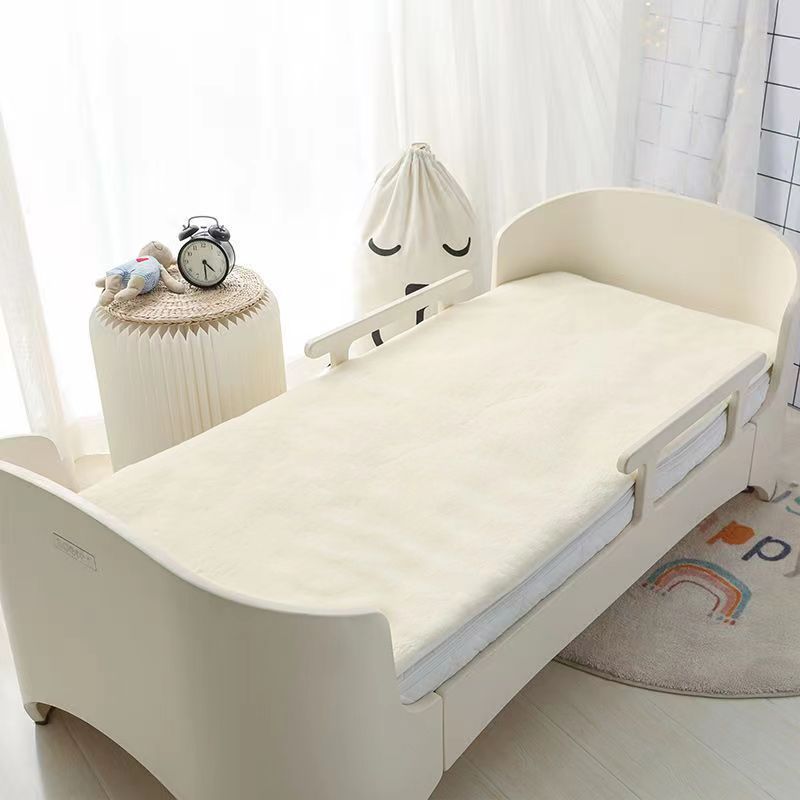
In the infant textile industry, the selection of fabric is no longer solely based on its softness or aesthetics. As the market becomes more structured and consumers become more knowledgeable, brands and consumers are paying more attention to the way materials are obtained, manufactured, and controlled at the factory level. This shift has re-emphasized the importance of Australian wool fabric in new applications, particularly for baby’s mattress pads, safety, and performance is a must.
From a manufacturing perspective, baby mattress fabric is considered to be one of the most difficult types of fabric. It must deliver consistent comfort across seasons, withstand repeated washing, maintain its structure over time, and remain safe for prolonged skin contact. These requirements reduce the number of short-term solutions and lead decision makers to fabric that have demonstrated effectiveness in real-world conditions. The wool of Australia has been successfully processed by factories that are experienced in the industry, which has led to it becoming a part of the material.
Baby Mattress Pad Fabrics Are Defined by Use, Not Appearance
It’s simple tounderestimatee the value of baby’s mattress pads by assuming they are simply padding materials. In truth, these fabrics are subjected to constant physical pressure. Babies move frequently during their sleep, produce body heat, and will directly interact with the surface for a long period of time. Additionally, the mattress pads are cleaned more frequently than other textile types.
For companies, this implies that the fabric must consistently have a high degree of performance not only on the first day, but after multiple washes. The thickness of the layer must not be reduced, the surface must not become sluggish, and the internal structure must not be altered. Any flaws in the fiber quality, the fabric’s construction, or the base material are immediately apparent in this context.
As a result, manufacturers who are professionals tend to focus on the behavior of materials over the short term in order to avoid costs. This is the area of wool, particularly Australian wool, that continues to have long-term value.
Why Australian Wool Is Trusted in Baby Bedding Manufacturing
The wool industry in Australia is well-known for its consistent quality, rather than promoting a specific brand. Its fiber composition is relatively delicate, uniform, and elastic, which is ideal for applications that require both softness and resilience.
In the fabric of the mattress, wool fibers provide a surface that is gentle to the skin while still maintaining a natural motion. This elasticity enables the fabric to regrow after being compressed, which will help the mattress pad maintain a full and comfortable surface despite being used for a long period of time.
Another unique attribute of wool is its capacity to naturally regulate temperature. The wool fibers contain air inside of them; this insulation is beneficial in environments that are colder than the average, but it allows for a lot of heat to escape when the temperature increases. This property promotes a more consistent microclimate around the baby’s body, which decreases the uncomfortable feelings of overheating or rapid temperature changes.
Other areas that benefit from wool’s moisture management include. Moisture management in wool is another successful area. Wool fibers have the ability to soak up moisture without becoming wet; this attribute helps to keep the surface dry and pleasant. This is of special significance to baby products, as the accumulation of moisture can lead to irritation and concerns regarding hygiene.
Factory Manufacturing Plays a Critical Role in Wool Fabric Performance
The choice of material alone cannot ensure performance. From a manufacturing perspective, the way that wool is handled, combined, and structured within the fabric has an effect on whether or not its natural benefits are maintained or lost.
At Hongyang, the production of wool fabric is considered a system instead of a single procedure. The selection of raw materials, the design of base cloths, the way they are tensioned, and the methods of finishing are all dedicated to the ultimate goal. For baby’s mattress pads, this involves regulating variables that directly affect the stability of thickness, the resistance of wash, and the feel of the surface.
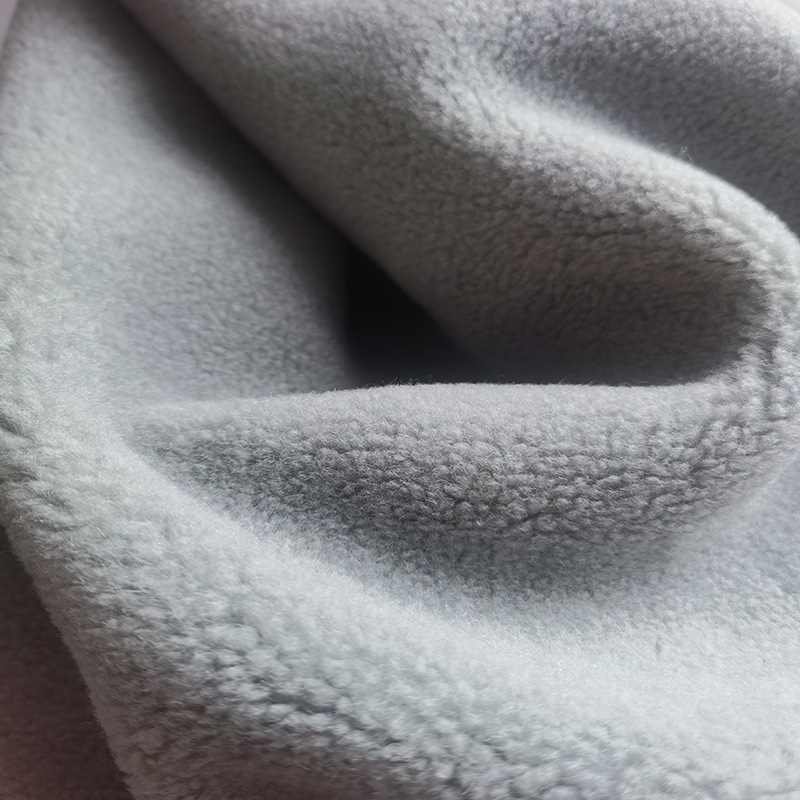
The fabric’s pile has a 100% wool composition that provides natural relaxation, while the base fabric is made of polyester that offers stability in dimensions. This amalgamation facilitates the fabric’s softness while not becoming fragile. The base layer is responsible for providing support to the wool’s pile during slicing, sewing, and washing. This is essential for downstream processing.
Factories that are lacking in control over these steps often have difficulty maintaining a consistent quality across all production lots. Conversely, manufactured wool fabric provides more control and consistent performance.
Jacquard Weaving as a Structural Solution
Jacquard weaving is typically associated with patterns that are decorative, but in functional textiles like the baby’s mattress pad, its structural benefits are of equal importance. By creating patterns and textures during the weaving process, jacquard design enhances the integrity of the fabric and the distribution of fibers.
For fabric with a thick coating of wool, jacquard weaving is beneficial because it ensures a uniform density across the surface. This promotes consistent cushioning and prevents local thinning, which is more likely in less controlled structures. With a typical weight of 300g to 499g per square meter, the fabric has a balanced composition of substance and flexibility.
From a manufacturing perspective, jacquard weaving also facilitates pattern diversity without altering the core design. This facilitates the attainment of different consumer preferences while maintaining a consistent performance profile.
Comfort Is the Result of Material Interaction
The softness of the mattress’s pad is not alone responsible for the comfort. It originates from the combination of fiber type, fabric composition, and air flow. The wool’s natural crimp creates small air chambers within the fabric that enhance the insulation while still allowing breathability.
When combined with a controlled thickness of fabric, this design promotes temperature regulation and moisture control. The surface is still soft and inviting, while the internal layers facilitate airflow and moisture transport. This equilibrium is hard to maintain with synthetic materials that are purely chemical in nature; these materials often store heat or rely on chemical treatments to achieve their goals.
For factories, achieving this balance requires careful control of weaving density, pile height, and finishing methods. Over-processed wool can be damaged by improper treatment, while under-processed wool can have uneven patterns.Factory-levell experience is important in this context.
Performance Expectations for Baby Mattress Pad Wool Fabric
From a manufacturing and application standpoint, wool fabric used in baby mattress pads must meet several core performance expectations:
-
Stable thickness that does not collapse after repeated use
-
Soft, skin-friendly surface suitable for prolonged contact
-
Breathable structure that helps manage heat and moisture
-
Washable construction with reliable shape retention
These expectations guide material selection and production decisions throughout the manufacturing process.
Washability as a Manufacturing Challenge
The discussion of washability is typically initiated by consumers, but for companies, it is a structural problem. Wool fibers are sensitive to moisture and temperature; this means that fabric construction must take into account the potential for shrinkage, distortion, or surface alteration.
By combining wool with a base fabric that is reinforced and controlling the amount of fabric that is deposited on the mattress, the fabric that is deposited on the mattress maintains its shape and is still elastic after being washed. The structure is resistant to flattening, and the surface continues to be soft rather than becoming bedewed.
This achievement is not derived from the chemical treatment of the fabric, which would negatively affect the breathability and feel of the fabric. Instead, it is the result of a material deficit and a controlled series of parameters.
The Importance of Long-Term Supply Consistency
For brands and distributors, the performance of fabric is just one part of the equation. The consistency of supply is equally vital. Inconsistent batches lead to production risks, customer dissatisfaction, and inventory issues.
Australian fabric manufactured by the factory has an advantage in this area. With direct sourcing and standardized production methods, factories can consistently producehigh-qualityy products for large orders and repeated production runs. This dependability is of special importance to baby products, as the feel or performance of the product can be immediately observed.
From a long-term perspective, control at the factory level decreases ambiguity and creates trust between suppliers and consumers.
Customization from a Manufacturing Perspective
Customization in wool fabric production is not simply a matter of changing color. It involves adjusting structural parameters while preserving performance characteristics. As a factory, Hongyang supports customization in width, weight, pile height, pattern, and color.
Customer samples and technical specifications can be used as development references. Similar fabrics can also be produced based on required raw material compositions, allowing buyers to develop differentiated products without compromising core quality.
Packaging and logistics solutions can be aligned with market needs, supporting efficient distribution and product protection.
Why Buyers Prefer Factory Suppliers for Wool Fabric
From the buyer’s perspective, working directly with a factory offers several advantages:
-
Better control over quality, consistency,y and specifications
-
Direct technical communication during development
-
Stable production timelines and long-term supply planning
-
Reduced risk compared to short-term trading arrangements
These factors are especially important in baby mattress pad applications, where safety and reliability are non-negotiable.
Australian Wool Fabric in Broader Baby Textile Applications
While this fabric is designed for baby mattress pads, its performance characteristics make it suitable for related applications such as padded bedding layers, play mats, and comfort-focused home textiles. The combination of softness, breathability, and structural stability allows the material to adapt to different product designs.
For factories and brands, this versatility supports product line expansion while maintaining material consistency.
A Manufacturing-Oriented Approach to Quality
Quality in wool fabric is not defined by appearance alone. It is defined by how the material behaves under real conditions. Factory-produced Australian wool fabric reflects a manufacturing-oriented approach to quality—one that emphasizes control, repeatability, and practical performance.
By focusing on raw material selection, jacquard weaving structure, and balanced fabric construction, the material delivers reliable results in demanding applications such as baby mattress pads.
Why Factory-Made Australian Wool Fabric Remains a Trusted Choice
In the manufacturing of baby mattresses, the material decisions have long-term effects. Fabrics that do not maintain comfort, shape, or durability will lose popularity quickly. The wool fabric produced in controlled conditions in Australia continues to address these issues.
Its natural temperature regulation, moisture management, and resilience are all properties that make it ideal for baby’s bed applications. Combined with factory-level control over production and customization, it provides a solid foundation for brands that want to have a long-term commitment to product stability.
Ultimately, the value of this fabric is not solely based on the wool itself, but also on the manufacturing process that is behind it. In baby fabric, trust is cultivated through consistency, and consistency begins at the manufacturing facility.