
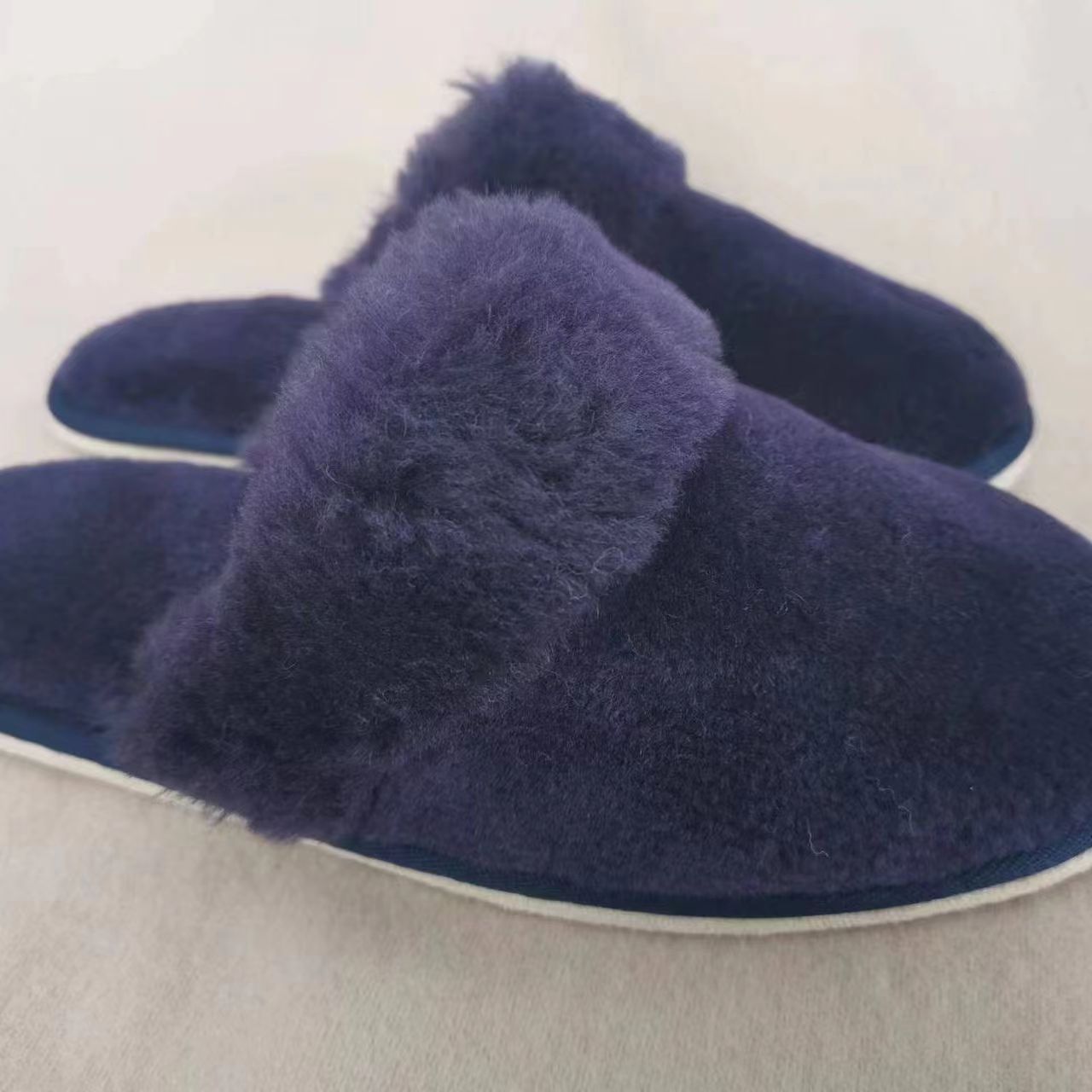
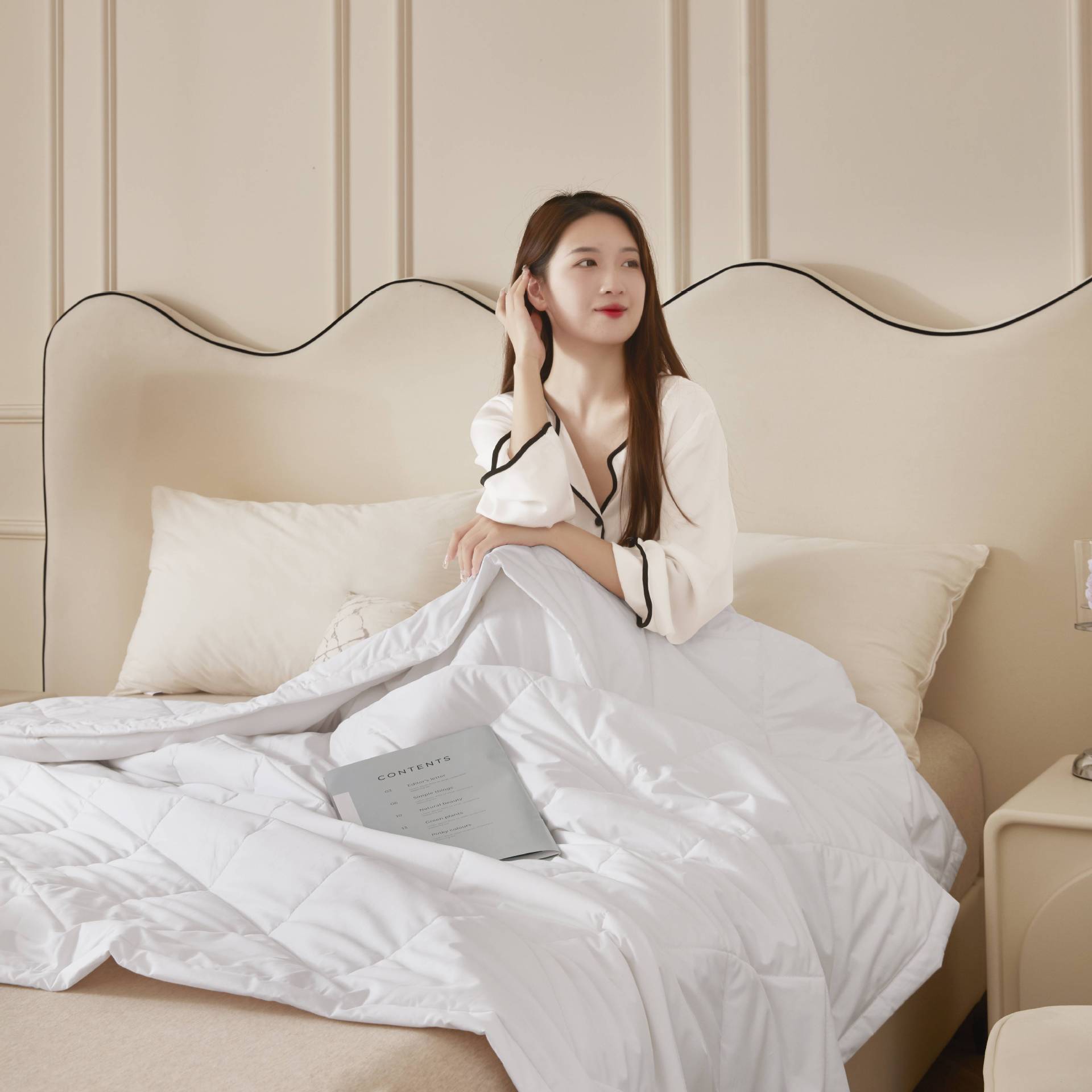
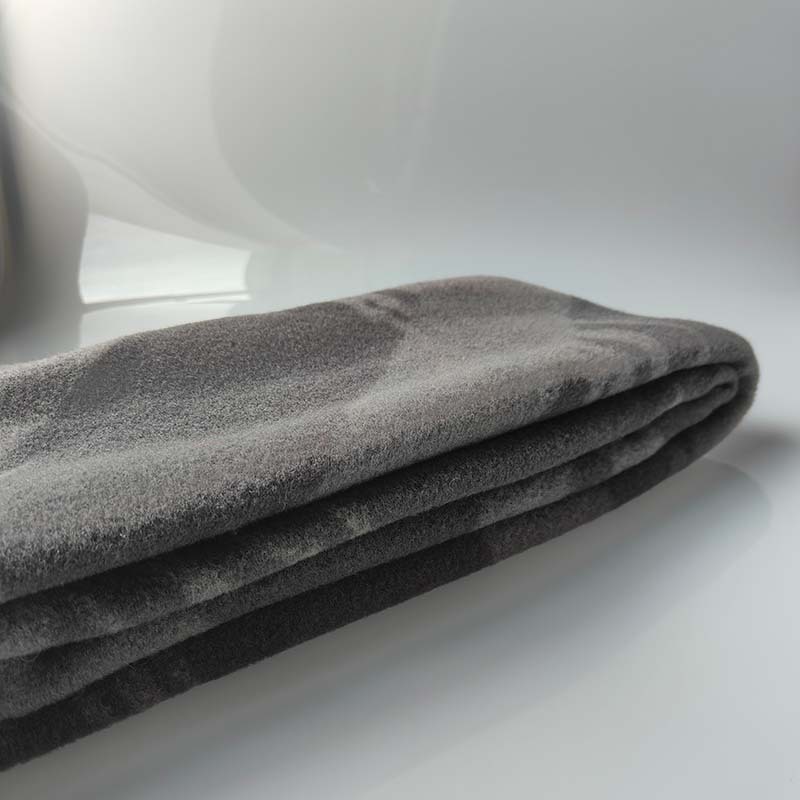
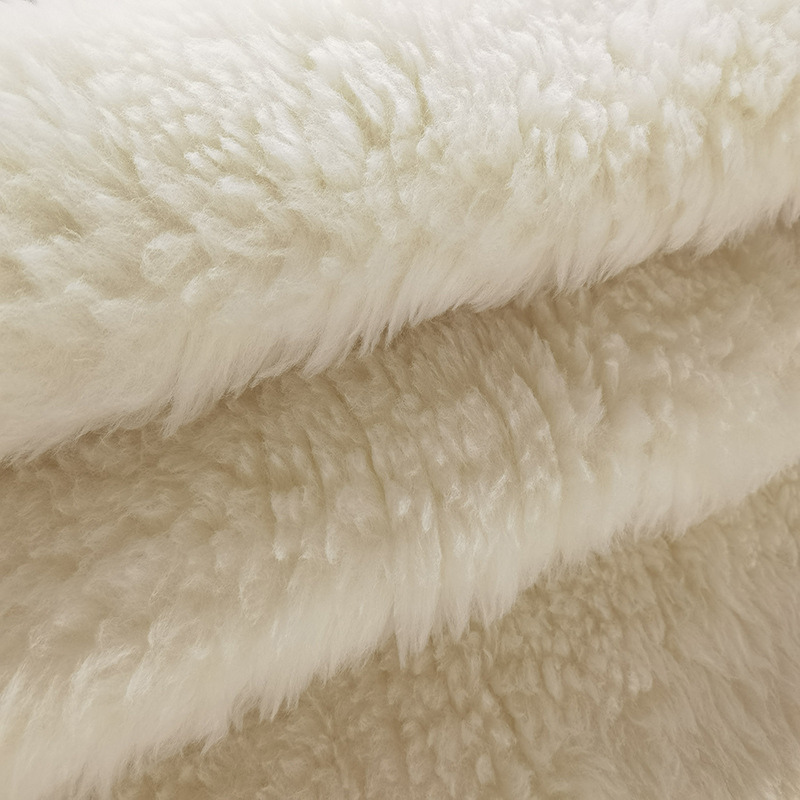
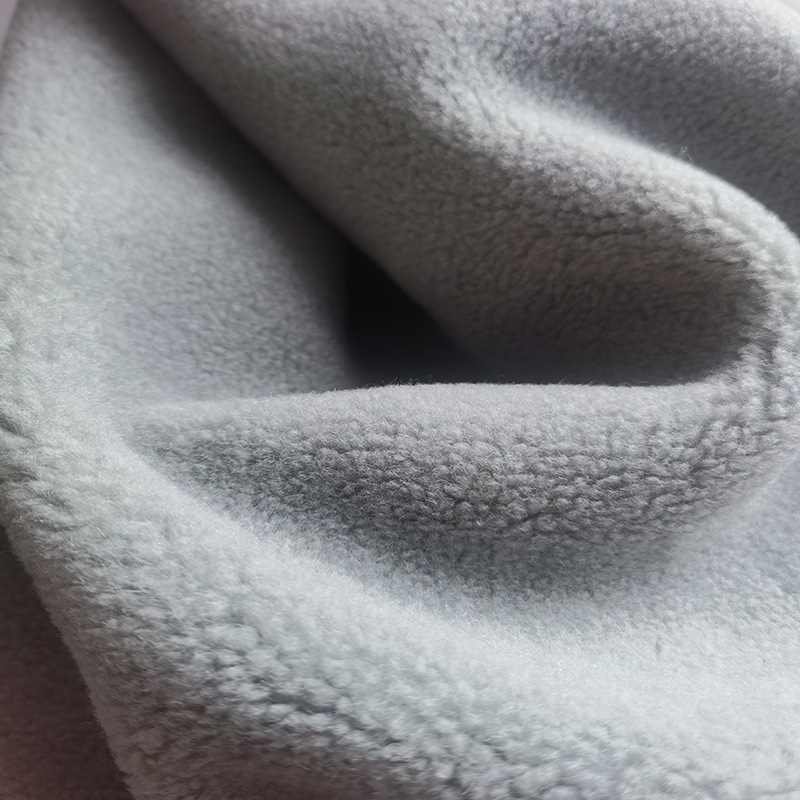
When people talk about fleece fabric, the first associations are often softness and warmth. Yet not all fleece fabrics are created equal. Behind the surface feel lies a wide spectrum of raw materials, structures, and craftsmanship choices that directly determine how a fabric performs in daily use. Among them, wool fleece fabric occupies a unique position. It bridges natural fiber advantages with modern textile techniques, delivering comfort that feels intuitive rather than engineered.
Choosing wool fleece fabric is not simply about following tradition or preferring natural fibers. It is a decision shaped by how the fabric behaves across seasons, how it interacts with the body, and how it holds its structure in real applications such as coats, carpets, and interior textiles. To understand why wool fleece fabric remains widely favored for warm and comfortable use, it is necessary to look beyond surface softness and examine the material from its fiber origin to its final performance.
The Natural Foundation of Wool Fleece Fabric
Wool fleece fabric begins with its raw material. Wool fibers differ fundamentally from synthetic fibers in both structure and behavior. Each wool fiber has a natural crimp and a complex internal structure that allows it to trap air efficiently. This trapped air becomes a natural insulation layer, providing warmth without excessive weight.
In wool fleece fabric, this inherent advantage is amplified through controlled processing. High-quality wool is selected, carbonized when necessary to remove impurities, and then transformed into fleece through weaving or jacquard techniques combined with a raised pile surface. The result is a fabric that feels full and fluffy while remaining breathable.
Unlike many synthetic fleece fabrics that rely on thickness alone to achieve warmth, wool fleece fabric works with the body’s natural temperature regulation. It does not simply block cold air; it actively helps maintain a stable microclimate between the fabric and the skin. This is one of the key reasons why wool fleece can be worn comfortably across all seasons, not just in winter.
Why Wool Fleece Feels Warm Without Being Heavy
Warmth in textiles is often misunderstood as a function of weight or thickness. In reality, warmth depends on how well a fabric manages air and moisture. Wool fleece fabric excels in both aspects.
The fine structure of wool fibers creates countless small air pockets within the fleece. These pockets slow down heat loss while preventing the fabric from feeling stiff or bulky. Even at a relatively high weight, such as 800 g/m², wool fleece maintains flexibility and softness rather than becoming rigid.
At the same time, wool has a natural ability to absorb moisture vapor without feeling damp. This moisture-absorbing and breathable behavior prevents the clammy sensation often associated with warm fabrics. As a result, wool fleece remains comfortable whether used in outerwear, where temperature changes are frequent, or in carpets, where prolonged contact is expected.
Comfort That Comes From Fiber Behavior, Not Coatings
One of the most noticeable qualities of wool fleece fabric is its skin-friendly touch. This is not achieved through surface treatments or chemical softeners, but through the inherent elasticity and fineness of wool fibers.
When wool fleece comes into contact with the body, it responds gently to movement. The fabric bends and recovers easily, creating a sense of softness without collapse. This elasticity also contributes to good drape, allowing the fabric to fall naturally when used in garments such as coats or jackets.
Because comfort is built into the fiber itself, wool fleece fabric maintains its feel over time. Repeated use does not rely on finishing layers that may wear off. Instead, the fabric’s comfort is stable, predictable, and long-lasting.
Visual Texture and Aesthetic Depth
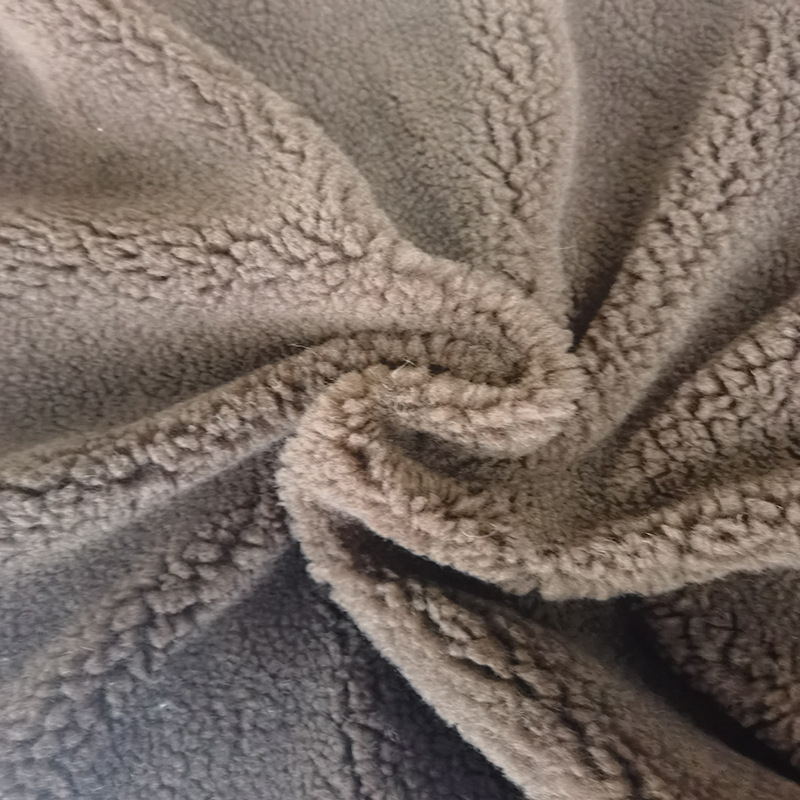
Warmth and comfort alone are not enough for many applications. Wool fleece fabric also offers a strong visual appeal. The raised wool surface creates a plump, three-dimensional texture that feels rich and substantial. This texture is clearly visible, giving the fabric depth even in solid colors.
With advanced jacquard weaving and professional top-dyed or piece-dyed techniques, wool fleece fabric can achieve both plain and patterned designs. Natural original colors are particularly valued for wool carpets, as they are timeless and easy to integrate into different interior styles. At the same time, richer color palettes allow the fabric to serve fashion-oriented needs.
This balance between natural aesthetics and design flexibility makes wool fleece suitable for both traditional and modern uses.
Core Material Advantages at a Glance
The appeal of wool fleece fabric lies in how multiple advantages come together naturally rather than being forced through complex processing.
Key Material Characteristics
-
Soft and skin-friendly structure
Fine wool fibers create a gentle surface suitable for close contact with the body. -
Natural warmth with temperature stability
Wool helps maintain a consistent temperature rather than overheating or cooling abruptly. -
Moisture-absorbing and breathable
Enhances comfort during long-term use across different environments. -
Rich texture and visible fiber structure
Adds visual depth and a sense of quality to garments and interior products.
Fabric Parameters and Performance Understanding
To better understand how wool fleece fabric translates comfort into measurable attributes, the following table summarizes typical parameters and what they mean in real use.
| Parameter | Specification | Practical Meaning |
|---|---|---|
| Product Name | Carbonized Wool Particle Fleece | Clean wool structure with impurity control |
| Craft | Jacquard Woven | Stable structure and design flexibility |
| Pile Face | 100% Wool | Direct skin contact with natural fibers |
| Base Cloth | 100% Polyester | Structural support and durability |
| Width | 212 cm | Suitable for large-scale garment and carpet production |
| Weight | 800 g/m² | Warmth without excessive stiffness |
| Applicable Seasons | All Seasons | Year-round comfort and usability |
This combination of wool pile and polyester base allows the fabric to balance softness with strength, ensuring both comfort and practical durability.
Warmth That Adapts Across Seasons
One of the reasons people continue to choose wool fleece fabric is its adaptability. Unlike materials designed exclusively for cold weather, wool fleece performs well across changing temperatures.
In cooler environments, the trapped air within the fleece provides insulation. In milder conditions, the breathability of wool prevents overheating. This adaptability makes wool fleece a reliable choice for transitional garments and interior textiles that remain in use year-round.
For carpets, this means a surface that feels warm underfoot in winter while remaining comfortable during warmer months. For clothing, it translates into garments that do not need to be swapped out as frequently with seasonal changes.
Structural Stability and Good Drape in Application
Comfort is closely linked to how a fabric moves. Wool fleece fabric demonstrates good drape due to the natural elasticity of wool fibers and the supportive base cloth structure. The fabric feels soft yet maintains shape, avoiding the limp appearance sometimes associated with overly soft textiles.
This property is particularly important for fashion items such as coats, where structure and silhouette matter. The fabric supports clean lines while still allowing freedom of movement, enhancing both appearance and wearing comfort.
Typical Uses of Wool Fleece Fabric
Wool fleece fabric is chosen not only for how it feels, but for how reliably it performs across different product categories.
Common Application Areas
-
Wool carpets for residential and commercial interiors
-
Coats and outerwear requiring warmth and drape
-
Decorative interior textiles
-
Fashion items emphasizing texture and comfort
Its versatility allows manufacturers and designers to use the same fabric family across multiple product lines while maintaining consistent quality.
Production Control and Customization Possibilities
Behind the comfort of wool fleece fabric lies careful raw material control. High-quality wool is selected to ensure softness and consistency. Through controlled weaving and finishing, the final texture becomes visible and uniform.
Customization is an important part of modern textile production. Wool fleece fabric can be adapted in terms of color, pattern, pile style, and weight. Whether based on factory-developed styles or customer-provided samples, production can be adjusted to meet specific requirements.
This flexibility allows the fabric to serve both standardized product lines and bespoke projects without compromising comfort or performance.
Order and Custom Production Process
From inquiry to delivery, a structured process ensures that wool fleece fabric meets expectations.
Standard Order Process
-
Customer consultation
-
Sample or color card confirmation
-
Quality confirmation
-
Order placement and payment
-
Warehouse shipment and logistics delivery
-
After-sales service
Custom Order Process
-
Customer consultation and sample submission
-
Pattern development and quotation
-
Sample production and approval
-
Deposit payment
-
Bulk production
-
Warehouse inspection and shipment
-
After-sales support
These processes support transparency and reliability for long-term cooperation.
Why Wool Fleece Fabric Remains a Practical Choice
In a market filled with synthetic alternatives and rapidly changing trends, wool fleece fabric continues to stand out because it provides comfort and warmth in a straightforward, material-driven way. It does not rely on heavy coatings, exaggerated thickness, or artificial softness. Instead, it builds comfort from the inside out, starting with the fiber itself.
The combination of warmth, softness, breathability, visual texture, and structural stability explains why wool fleece fabric is still widely chosen for both clothing and interior applications. It offers a balanced answer to practical needs, aesthetic expectations, and long-term use.
Ultimately, choosing wool fleece fabric for warm and comfortable use is about trusting a material that has proven its value across time and applications. Its comfort feels natural, its warmth feels steady, and its appearance feels authentic.
For manufacturers, designers, and end users alike, wool fleece fabric represents a dependable foundation—one that delivers comfort not as a selling point, but as an everyday experience.