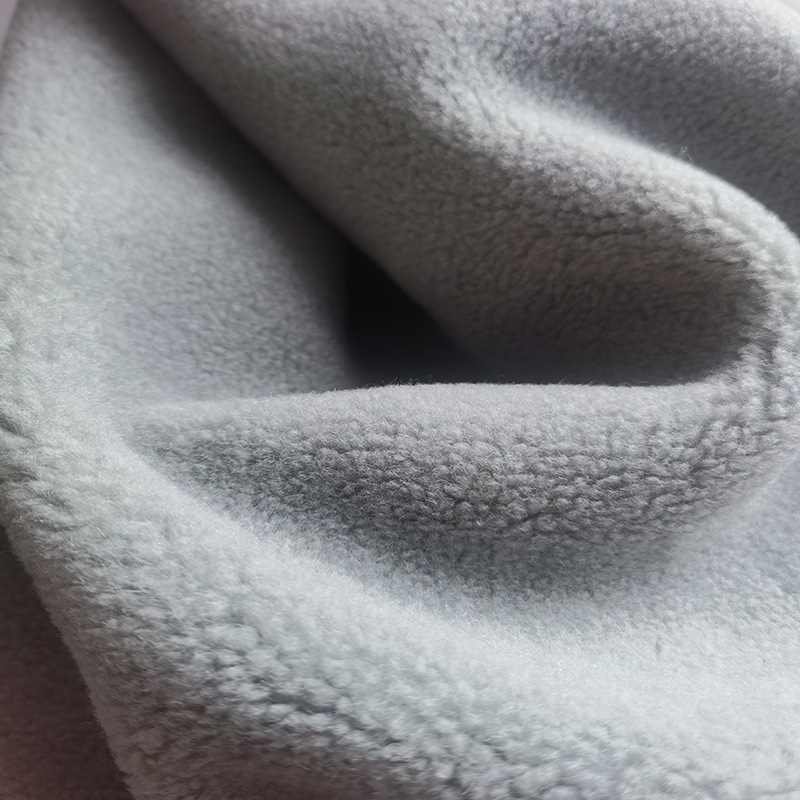
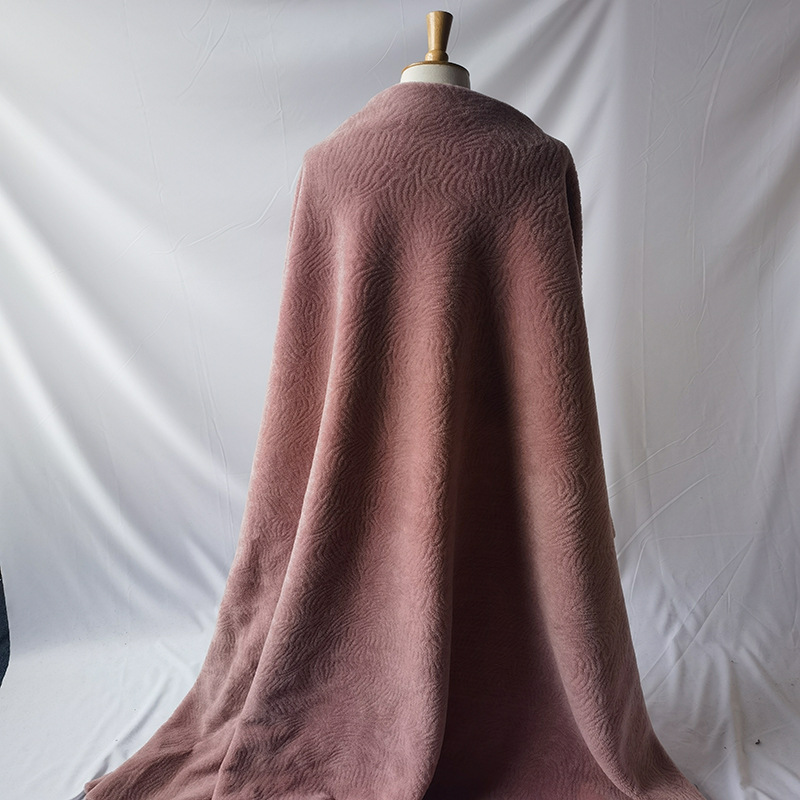
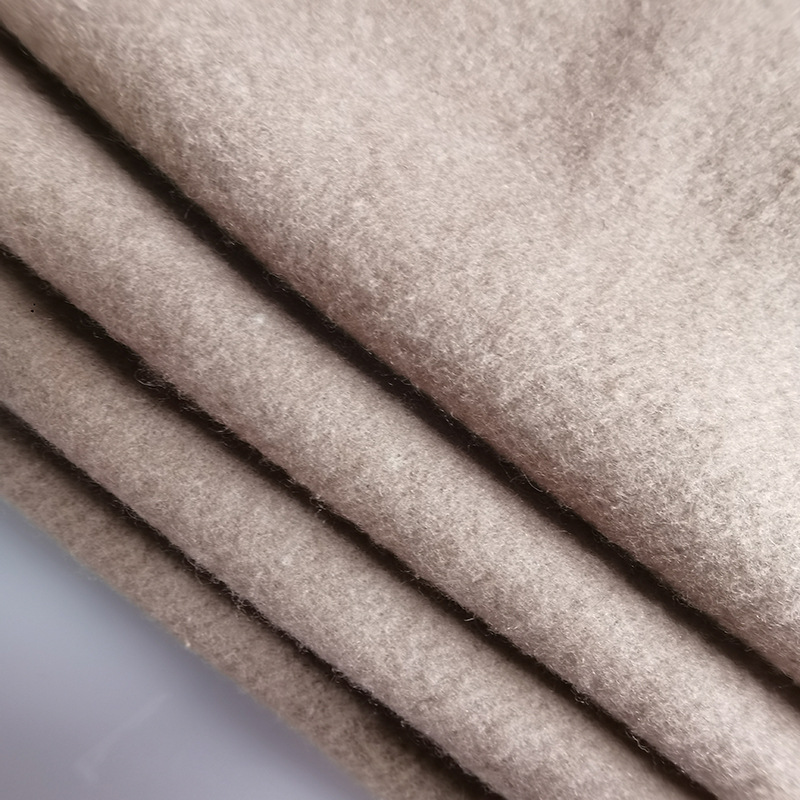
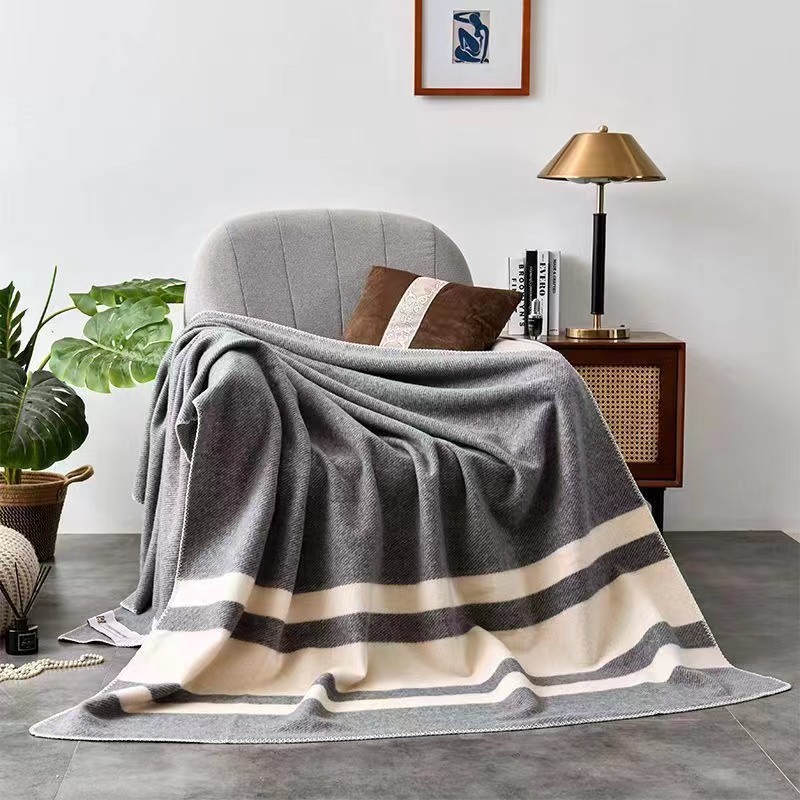
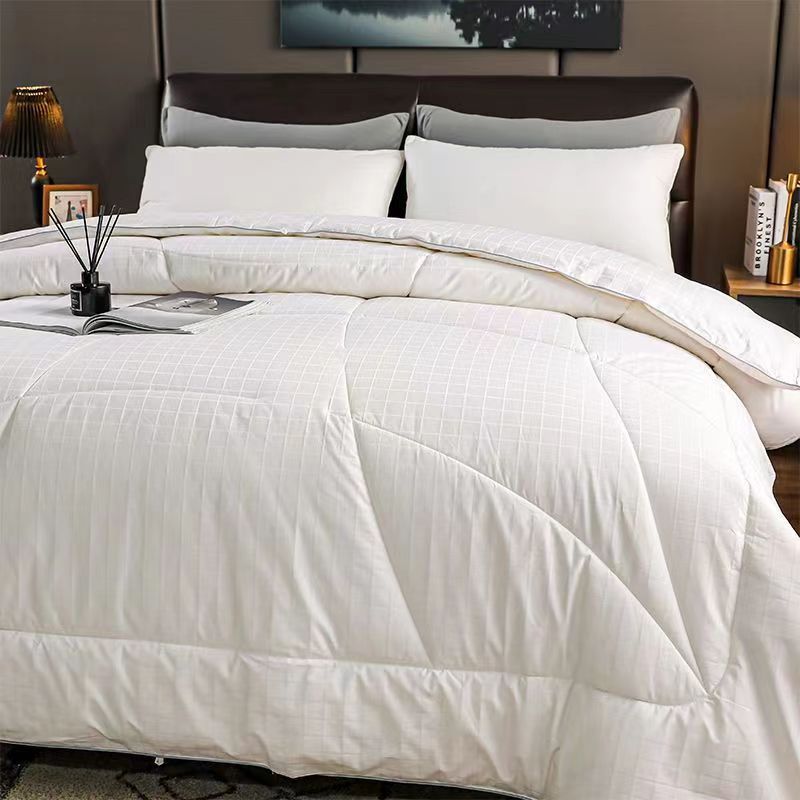
Cold-weather clothing has evolved through countless material experiments, yet heavyweight wool fabric has remained a constant presence wherever durability, warmth, and structure matter. Trends have introduced lighter blends, technical shells, and synthetic insulation, but none have fully replaced dense wool in garments expected to perform year after year. This persistence is not sentimental. It reflects how heavyweight wool fabric behaves in real environments and over long periods of use.
Unlike fabrics designed to impress at first touch or under showroom lighting, heavyweight wool fabric reveals its value gradually. It responds to cold, movement, pressure, and time in ways that feel deliberate rather than fragile. For outerwear meant to endure, that difference becomes impossible to ignore.
What Truly Defines Heavyweight Wool Fabric Beyond Thickness
Weight is only the surface indicator of quality. Two wool fabrics may feel equally heavy in hand, yet deliver very different experiences once tailored and worn. What separates a reliable heavyweight wool fabric from a merely thick textile lies in its internal construction.
Density determines how effectively air is blocked and warmth is retained. Fiber length influences resilience, surface stability, and resistance to pilling. The weave structure controls how the fabric bends, stretches, and recovers after movement. Finishing processes further refine these characteristics, shaping how the surface feels against the hand and how the fabric responds to pressing.
Professionals assessing heavyweight wool fabric tend to focus on performance cues rather than labels or numbers. They observe how the fabric behaves when folded, whether it springs back smoothly, and how evenly it drapes when supported at a single point. These physical responses reveal more than any specification sheet.
A well-made heavyweight wool fabric feels composed. It offers resistance without rigidity and softness without weakness. This balance is difficult to achieve and explains why high-quality versions remain valuable across decades.
Wearing Heavyweight Wool Fabric in Real Cold Conditions
The difference between heavyweight wool fabric and lighter alternatives becomes most apparent outdoors. Cold weather introduces variables that quickly expose material limitations: wind pressure, moisture, temperature shifts, and prolonged exposure. Dense wool responds to these conditions in a measured, predictable way.
Its insulation comes from controlled airflow rather than trapped heat. Wool fibers create stable air pockets that buffer temperature changes, preventing sudden chills when stepping outside or overheating indoors. At the same time, wool manages moisture gradually, reducing the clammy sensation associated with impermeable materials.
Another overlooked factor is how heavyweight wool fabric distributes its mass across the body. A properly constructed garment feels substantial yet balanced. The weight supports the garment’s shape rather than pulling against the wearer. Over long periods, this stability reduces fatigue and discomfort, particularly in coats worn daily through the winter months.
As the fabric adapts to movement, it becomes more responsive. Elbows soften slightly, shoulders conform to posture, and the garment settles into a familiar form without losing integrity. This gradual adaptation enhances comfort without sacrificing structure.
How Heavyweight Wool Fabric Ages Over Time
Few textiles improve with use, but heavyweight wool fabric often does. Many materials peak early and degrade quickly, losing shape, surface quality, or warmth. Dense wool follows a different trajectory. With proper care, it develops character rather than wear.
Repeated pressing relaxes fibers without weakening them. Creases soften instead of breaking down. Areas subject to frequent movement adapt subtly, improving comfort while maintaining support. Rather than appearing worn, the garment gains depth and presence.
This aging process has practical implications. Garments remain in rotation longer, reducing the need for replacement. Owners grow accustomed to the fabric’s behavior, trusting it in familiar conditions. Over time, heavyweight wool fabric becomes associated with reliability rather than novelty.
Comparing Wool Weights in Practical Use
Wool fabrics exist across a wide spectrum, each serving different purposes. Lightweight options excel in mild climates and layering systems. Midweight fabrics offer versatility for transitional seasons. Heavyweight wool fabric occupies a distinct category, defined by stability and insulation rather than flexibility.
The comparison below highlights real-world differences rather than technical specifications:
| Wool Fabric Type | Typical Applications | Structural Support | Seasonal Use |
|---|---|---|---|
| Lightweight Wool | Shirts, soft jackets | Low | Mild to cool |
| Midweight Wool | Blazers, casual coats | Moderate | Cool |
| Heavyweight Wool Fabric | Overcoats, structured outerwear | High | Cold to very cold |
This contrast explains why heavyweight wool fabric is rarely interchangeable with lighter options. It serves garments that must hold shape, block wind, and remain dependable across harsh conditions.
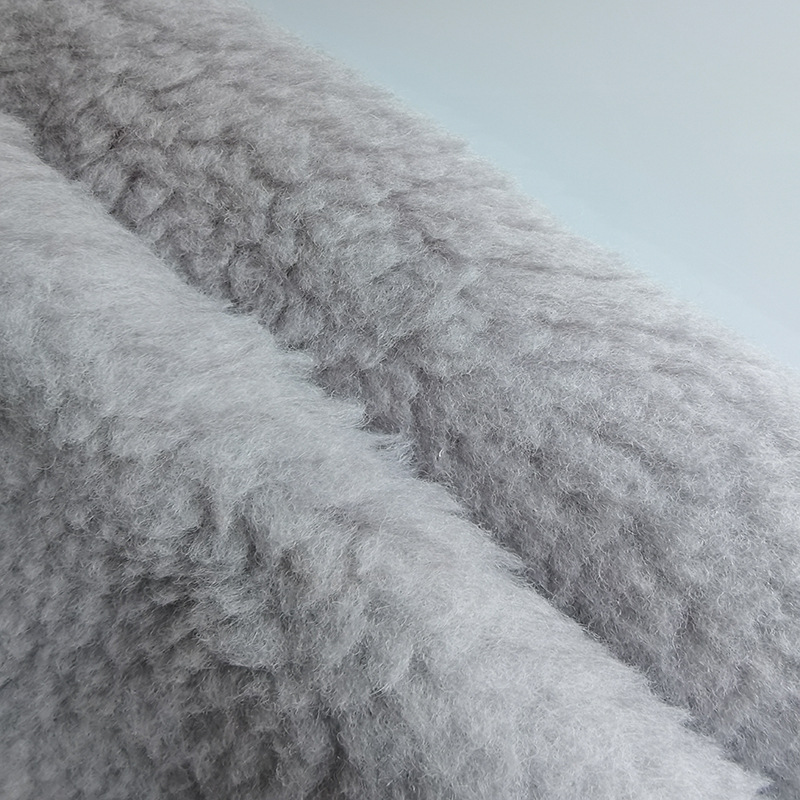
Why Structured Outerwear Depends on Heavyweight Wool Fabric
Garments with defined silhouettes rely on material integrity. Tailored coats, long overcoats, and formal outerwear require fabrics that support structure without constant reinforcement. Heavyweight wool fabric naturally fulfills this role.
Its internal resistance allows seams to sit cleanly and lapels to retain their intended shape. During construction, the fabric responds well to shaping through steam and pressure, enabling contours to be built directly into the garment. This reduces reliance on heavy linings or rigid interlayers, resulting in cleaner interiors and better balance.
Designers and manufacturers favor heavyweight wool fabric for garments where longevity matters more than trend cycles:
-
Full-length winter coats designed for daily wear
-
Structured outerwear with architectural silhouettes
-
Heritage-inspired garments intended to age gracefully
These applications demand stability, not minimal weight. Dense wool delivers that stability without compromising wearability.
The Relationship Between Heavyweight Wool Fabric and Construction Quality
Fabric choice influences every stage of garment construction. Heavyweight wool fabric interacts directly with cutting techniques, seam placement, and finishing methods. Patterns are often adjusted to account for its weight and resistance, ensuring balance once the garment is assembled.
Seams in dense wool distribute tension evenly, reducing stress points that lead to tearing or distortion. The fabric tolerates alterations and repairs better than many alternatives, making it suitable for garments expected to be worn and maintained over many years.
From a production perspective, heavyweight wool fabric supports refinement. Pressing, reshaping, and finishing can be repeated without degrading performance. This flexibility adds long-term value, particularly in premium outerwear.
Common Mistakes When Sourcing Heavyweight Wool Fabric
Despite its advantages, heavyweight wool fabric is frequently misunderstood during procurement. One common assumption is that higher weight automatically signals better quality. In reality, poorly constructed wool can feel heavy yet perform poorly.
Buyers sometimes overlook finishing quality, resulting in fabrics that feel coarse or resist shaping. Others focus too narrowly on price, sacrificing fiber quality or weave consistency. These compromises often become apparent only after garments enter regular use.
Experienced buyers rely on physical evaluation rather than descriptions:
-
Folding and releasing the fabric to observe recovery
-
Draping it over a structured surface to test behavior
-
Checking edge stability when cutting
These simple assessments reveal performance characteristics that specifications cannot fully capture.
Comfort and Daily Wearability of Heavyweight Wool Fabric
Comfort is often misunderstood in relation to heavier materials. Weight does not automatically imply restriction. Well-made heavyweight wool fabric distributes pressure evenly, avoiding localized tightness or stiffness.
Its natural elasticity allows it to move with the body, making long periods of wear more tolerable. This is particularly noticeable during daily routines that involve frequent transitions between indoor and outdoor environments. Thermal stability reduces the discomfort associated with rapid temperature changes.
Rather than feeling cumbersome, a well-designed garment made from heavyweight wool fabric settles into a consistent, reassuring presence. This predictability enhances confidence and comfort throughout the day.
Heavyweight Wool Fabric in a Market Driven by Performance Claims
Modern textiles often rely on technical claims, coatings, and proprietary treatments. Heavyweight wool fabric rarely enters these conversations, yet it continues to perform without reliance on surface technologies.
Its performance is inherent rather than applied. There is no coating to degrade, no membrane to delaminate, and no treatment that must be renewed. This simplicity contributes to reliability, particularly in demanding conditions.
For designers and buyers seeking consistency rather than novelty, this intrinsic performance offers reassurance. Heavyweight wool fabric does not promise transformation. It delivers continuity.
The Long-Term Value of Heavyweight Wool Fabric
Beyond aesthetics and comfort, heavyweight wool fabric makes economic sense over time. Although initial costs may be higher, garments tend to last longer, require fewer replacements, and maintain functionality across many seasons.
When evaluated across years of use, the cost per wear often compares favorably with cheaper alternatives that lose shape or warmth prematurely. This long-term value aligns with growing interest in durable, repairable clothing.
Heavyweight wool fabric supports a mindset focused on lasting utility. It rewards consistent use and thoughtful care rather than constant replacement.
The Enduring Role of Heavyweight Wool Fabric
Despite continuous innovation in textiles, heavyweight wool fabric maintains a clear position in modern apparel. It anchors garments where warmth, structure, and longevity intersect. It supports craftsmanship, rewards patience, and resists obsolescence.
Rather than competing with lightweight or technical materials, heavyweight wool fabric defines its own standard. That standard explains why, after generations of experimentation, dense wool remains a benchmark for serious cold-weather outerwear.