
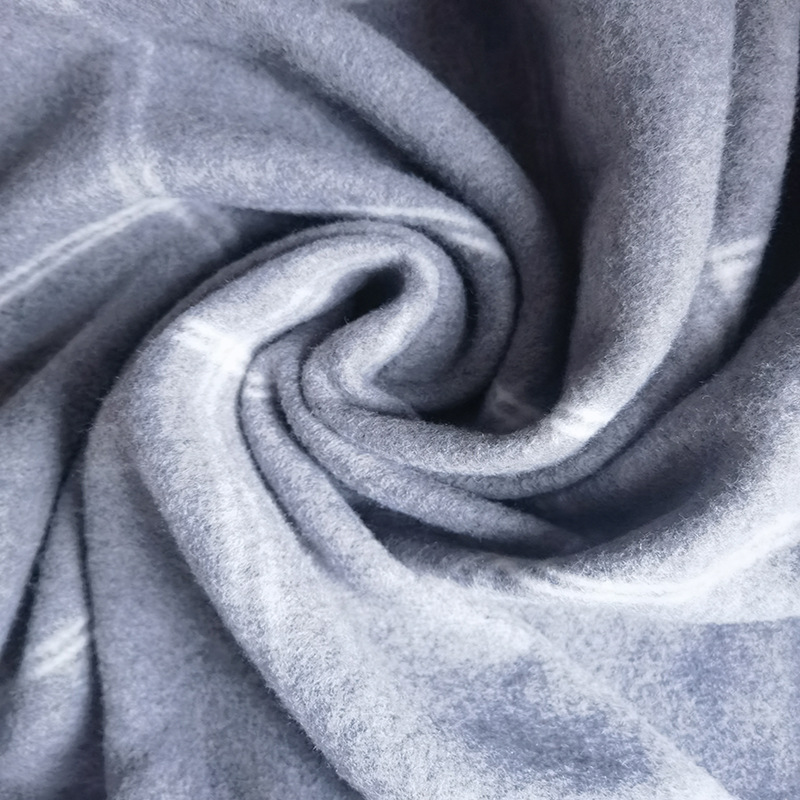
Summer used to mean pulling out the thinnest blanket in the house and hoping it would somehow survive three months of sweat, humidity, and frequent washing. In many homes, that thin blanket was never designed for repeated machine cycles. After a few spins, it clumped, twisted, or lost shape. It became less of a quilt and more of a tired sheet with lumps inside.
A machine-washable summer quilt changes that entire experience. It is designed from the beginning to be light enough for warm nights, breathable enough for airflow, and durable enough to handle regular washing without losing structure. In modern homes where hygiene, convenience, and practicality matter as much as comfort, this type of bedding is no longer a luxury feature. It is becoming the default expectation.
What Defines a True Machine-Washable Summer Quilt
Not every lightweight quilt qualifies as truly machine-washable. Some products are labeled “washable,” but that often means occasional washing under gentle conditions. A true machine-washable summer quilt is engineered to endure repeated cycles without distortion, clumping, or shrinkage.
The first defining factor is filling structure. Traditional cotton batting or loosely distributed fiber can shift during washing. A summer quilt intended for machine washing typically uses continuous filament polyester, hollow fiber clusters, or stabilized blended fillings. These materials maintain loft and distribution even under centrifugal force inside a washing drum.
The second factor is quilting construction. Stitching patterns are not just decorative. Box quilting, diamond stitching, and channel stitching all serve to lock filling in place. A well-constructed machine-washable summer quilt distributes tension evenly across the surface so that washing does not create pressure points where filling accumulates.
Fabric choice also matters. The outer shell must balance softness and resilience. High-density microfiber, washed cotton, Tencel blends, or performance polyester fabrics are often used because they resist deformation and dry quickly. Fabrics that absorb too much water take longer to dry and increase strain during spinning.
Finally, finishing treatments plays a role. Pre-shrinking processes and anti-wrinkle finishes ensure that repeated laundering does not distort dimensions. A quilt that shrinks unevenly will never lie flat again, no matter how premium the filling is.
Why Machine Washability Matters in Summer Bedding
Summer brings specific environmental challenges. Heat increases perspiration. Air conditioning creates cycles of cooling and warming that affect moisture levels in bedding. Dust mites and bacteria thrive in warm, humid conditions. A quilt that cannot be washed frequently becomes a hidden reservoir of irritants.
Regular machine washing allows households to maintain hygiene without sending bedding to professional laundry services. This is especially relevant for families with children, pet owners, and individuals with allergies.
There are practical advantages that extend beyond cleanliness:
-
Easy weekly cleaning without special handling
-
Faster drying compared to thick winter quilts
-
Reduced long-term odor buildup
-
Lower maintenance costs over time
Convenience changes behavior. When washing is simple, people clean more often. When cleaning is easier, bedding lasts longer because dirt and oils are not allowed to accumulate and degrade fibers.
In modern apartments and urban living spaces, storage is limited. A machine-washable summer quilt is lightweight and compact. It does not require vacuum storage or special care. It can be folded, stored, and reused season after season with minimal preparation.
Material Choices and Their Impact on Performance
Material selection defines how a machine-washable summer quilt feels, performs, and survives laundering.
Microfiber filling is one of the most common options. It is lightweight, affordable, and resistant to clumping. Because microfiber fibers are fine and densely packed, they maintain shape after washing and dry relatively quickly.
Washed cotton provides a natural hand feel and breathability. However, pure cotton filling can absorb more water and may require longer drying time. When combined with polyester blends, it gains structural stability.
Tencel or Lyocell blends offer excellent moisture management. These fibers absorb moisture efficiently and release it quickly, enhancing cooling comfort. They are often used in premium summer quilts where skin contact comfort is prioritized.
Polyester hollow fiber filling introduces air channels within each fiber. These channels improve insulation balance while reducing weight. The hollow structure also speeds drying after washing.
Below is a simplified comparison of common materials used in machine-washable summer quilts:
| Material | Breathability | Wash Durability | Drying Speed | Best Application |
|---|---|---|---|---|
| Microfiber Filling | Good | Very High | Fast | Everyday family use |
| Washed Cotton Blend | Very Good | Moderate | Moderate | Natural comfort preference |
| Tencel Blend | Excellent | High | Moderate | Premium cooling bedding |
| Polyester Hollow Fiber | Good | Very High | Fast | Frequent wash environments |
No single material is universally superior. Climate, user sensitivity, and washing frequency all influence the optimal choice.
Construction Techniques That Prevent Clumping
A quilt’s internal structure determines whether it survives machine washing intact. Clumping occurs when filling migrates to one area and compacts under mechanical agitation. Preventing this requires both engineering and experience.
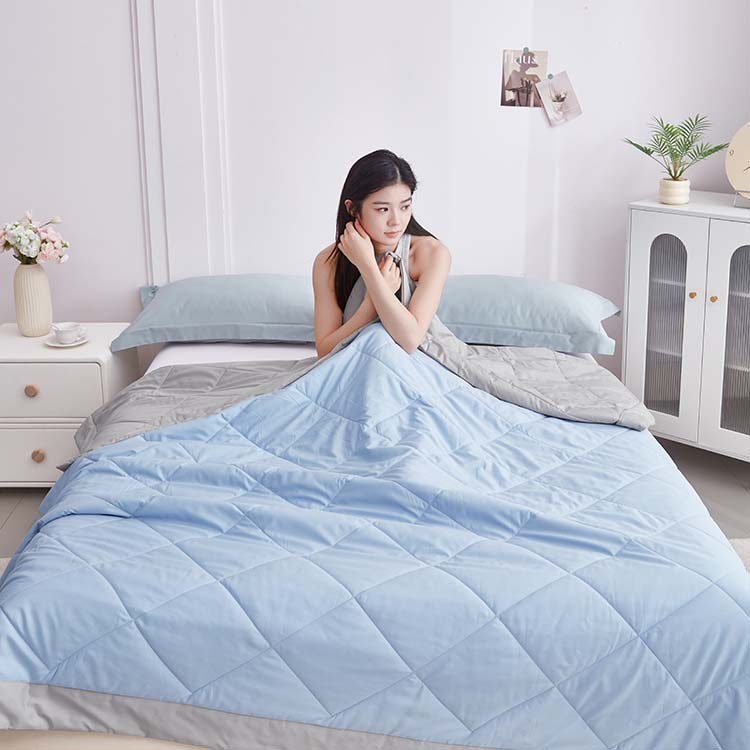
Box quilting divides the quilt surface into evenly distributed compartments. Each section locks into position. Channel stitching creates linear compartments that allow slight flexibility while limiting migration. Diamond quilting spreads tension diagonally, helping maintain uniform loft.
Edge reinforcement is often overlooked. Washing machines generate high rotational force. If edges are weak, seams may distort first. Reinforced binding and double-stitched borders prevent this early failure.
Pre-washing and pre-setting treatments during manufacturing stabilize both fabric and filling. This means the quilt has already experienced controlled moisture exposure before reaching the consumer, reducing unexpected shrinkage later.
When construction is done correctly, the quilt returns to its original form after drying, without manual fluffing or reshaping.
How to Properly Wash a Machine-Washable Summer Quilt
Even the best-designed quilt benefits from correct washing practice. While it is machine-washable, certain guidelines preserve longevity.
Use a moderate water temperature, typically below 40°C. Excessive heat may stress synthetic fibers or accelerate shrinkage in blended fabrics.
Choose a mild detergent. Heavy chemical detergents can break down finishing treatments or leave residue that reduces breathability.
Select a gentle or normal cycle rather than an aggressive, heavy-duty setting. Summer quilts are lightweight and do not require intense mechanical agitation.
When drying, low-heat tumble drying is often recommended. High heat may cause fiber fusion in synthetic fillings. If air drying, ensure adequate ventilation to prevent moisture retention inside the filling core.
Avoid overloading the washing machine. A quilt needs space to circulate. Compression during washing increases stress on seams.
With proper care, a machine-washable summer quilt can endure years of seasonal use without performance decline.
Matching Quilt Weight to Climate
Summer conditions vary widely. A humid tropical climate differs greatly from a dry continental region. Selecting the right quilt weight ensures comfort without overheating.
In high-humidity regions, ultra-light quilts with strong moisture-wicking fabrics are ideal. Breathability is prioritized over insulation.
In areas with cool summer nights or heavy air conditioning, a slightly higher fill weight provides balanced warmth without excessive bulk.
Transitional climates benefit from medium-light quilts that adapt to temperature swings.
Weight is usually expressed in grams per square meter for filling. Lower values indicate lighter quilts. While exact numbers vary by brand, the principle remains consistent: choose according to nighttime conditions rather than daytime temperature.
Machine-Washable Summer Quilts for Different Living Scenarios
Lifestyle influences bedding choice as much as climate.
Families with children often require frequent washing due to spills or accidents. A durable microfiber-filled quilt supports this need without rapid wear.
Student dormitories prioritize convenience. Limited laundry access means quick drying is essential. Lightweight synthetic blends are practical here.
Guest rooms benefit from easy maintenance between visits. Being able to wash and quickly restore the quilt ensures hygiene for every guest.
Short-term rental properties or hotels require durability under repeated commercial laundering. Polyester hollow fiber or high-density microfiber constructions often perform best under these conditions.
Each environment places unique demands on a machine-washable summer quilt. Matching structure to lifestyle increases both satisfaction and longevity.
Common Mistakes When Buying a Machine-Washable Summer Quilt
Many buyers focus only on price or surface softness. However, softness alone does not guarantee wash durability.
One common mistake is ignoring stitching density. Sparse quilting may look minimalistic, but it increases filling migration risk.
Another error is overlooking fabric density. Lightweight does not mean fragile. High-thread-count microfiber can be thin yet durable.
Some consumers assume that “washable” means it can be cleaned under any condition. Repeated high-heat drying can still damage the structure.
Climate mismatch is also frequent. Buying an ultra-light quilt in a region with cool summer nights results in discomfort, leading to layering that defeats the purpose of a single summer quilt.
Being informed about construction and materials prevents premature replacement and dissatisfaction.
Long-Term Durability and Sustainability
Durability is closely tied to sustainability. A quilt that lasts multiple seasons reduces material waste and replacement frequency.
Machine-washable designs encourage proper hygiene without requiring dry cleaning chemicals. This lowers environmental impact over time.
Many manufacturers now integrate recycled polyester filling derived from post-consumer plastic bottles. These materials maintain structural resilience while contributing to circular resource use.
Certifications such as OEKO-TEX ensure that fabrics meet safety standards for skin contact, an important factor in bedding used directly against the body.
When durability, washability, and responsible material sourcing align, the machine-washable summer quilt becomes not just convenient but environmentally sensible.
The Evolution of Summer Bedding
Summer bedding has evolved from thick cotton-filled layers to engineered lightweight systems. Advances in fiber technology allow better airflow without sacrificing structure.
Cooling fabrics, moisture-regulating fibers, and anti-bacterial finishes are becoming integrated into modern quilt designs. The focus is no longer simply on thinness, but on performance balance.
A machine-washable summer quilt represents this evolution clearly. It reflects how modern living demands products that are comfortable, hygienic, durable, and easy to maintain.
A machine-washable summer quilt is not defined solely by its ability to survive a wash cycle. It is defined by thoughtful construction, appropriate materials, balanced weight, and durability under real-life conditions.
When chosen carefully, it provides breathable comfort on warm nights, maintains hygiene through regular cleaning, and preserves its structure season after season. It adapts to family life, student living, rental environments, and changing climates without becoming high-maintenance.
In a world where convenience shapes daily habits, bedding that aligns with routine washing practices becomes more than a seasonal accessory. It becomes a practical foundation for healthy, comfortable sleep throughout the summer months.