
The Timeless Position of Wool Knit Fabrics for Garments in Fashion
In modern fashion design, material selection directly shapes the final look, comfort and market value of apparel. Among countless textile options, wool knit fabrics for garments have long kept a stable and trusted status among designers. Unlike many synthetic or single-function fabrics, this material brings together natural performance, aesthetic potential and practical value, making it suitable for everything from high-fashion collections to daily casual wear.
As consumers increasingly care about wearing experience, durability and environmental impact, wool knit fabrics for garments continue to show irreplaceable advantages. Designers do not choose this material just for its classic reputation, but for its real ability to solve common pain points in apparel creation. From reducing production complexity to improving consumer satisfaction, wool knit fabrics for garments balance artistic expression and real-world functionality. In the following sections, we analyze the core advantages that make wool knit fabrics for garments a reliable choice for professional designers around the world.
Comfort and Thermoregulation as Core Advantages
One of the top reasons designers favor wool knit fabrics for garments is their outstanding comfort and natural physiological adaptability, which greatly improves the final wearing experience. Unlike many man-made fabrics that rely on chemical coatings for performance, wool delivers comfort through its inherent fiber structure.
-
Temperature Balance with Breathable Wool Knit Fabrics for All-Season Apparel
A key benefit is the natural breathability and thermoregulation of wool knit structures. Breathable wool knit fabrics for all-season apparel help maintain a stable microclimate against the skin, keeping the body warm in cool conditions and releasing excess heat and moisture in milder weather. This adaptive quality eliminates the need for heavy layering in winter and sticky discomfort in transitional seasons.
This adaptability allows designers to create pieces that work across multiple seasons, reducing the limitations of seasonal materials. Wool can absorb moisture vapor without feeling damp, a property that keeps the wearer dry and comfortable even during long hours of use. For designers aiming to create versatile, user-friendly pieces, wool knit fabrics for garments provide a natural solution without extra chemical treatments. This year-round usability also expands the selling window for apparel, adding commercial value to designs.
-
Luxe Tactile Experience from Soft Merino Wool Knit Fabrics for Luxury Garments
For high-end and premium apparel, soft merino wool knit fabrics for luxury garments offer a delicate and skin-friendly texture that elevates the entire garment. Modern processing has removed the rough feel of traditional wool, allowing these knits to be used directly against the skin in dresses, base layers and luxury loungewear.
The fine fibers and flexible knit structure give wool knit fabrics for garments a gentle touch and proper elasticity, fitting the body naturally without restriction. This combination of comfort and elegance makes the material highly suitable for designer collections that emphasize both appearance and sensory experience. Consumers can feel the premium quality immediately, strengthening brand perception and willingness to invest in higher-priced pieces.
Design Versatility for Diverse Garment Styles
Wool knit fabrics for garments offer strong flexibility in styling, allowing designers to realize various silhouettes and visual effects. Whether creating minimalist essentials or bold statement pieces, this material adapts to different creative directions with consistent quality.
-
Clean Structure with Fine Gauge Wool Knit Fabrics for Tailored Garments
In tailored and semi-formal apparel, fine gauge wool knit fabrics for tailored garments provide a smooth surface, neat drape and stable shape. These fine-knit materials avoid the overly casual look of heavy knits, making them ideal for structured tops, dresses, lightweight blazers and office-ready pieces.
Designers appreciate that wool knit fabrics for garments maintain good dimensional stability, resisting excessive wrinkling or stretching out of shape. This reliability supports consistent production and a polished finished look, which is essential for both ready-to-wear lines and custom-designed collections. The clean surface also accepts prints and embellishments well, giving designers extra room for creative details.
-
Textural and Stylistic Diversity
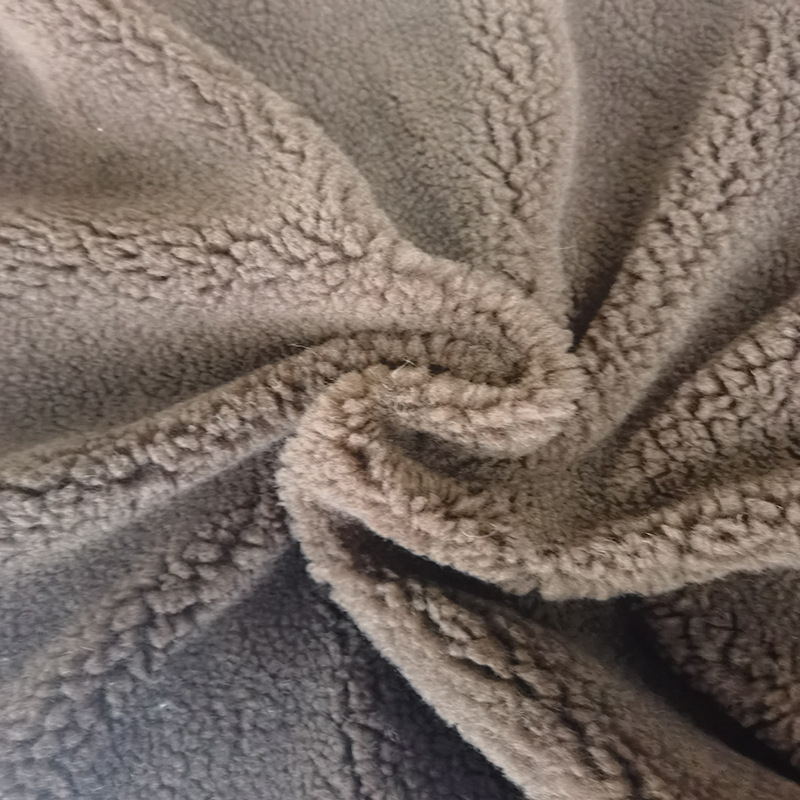
Beyond tailored looks, wool knit fabrics for garments can be made into various textures, from lightweight open knits to chunky cable patterns. This textural range lets designers create visual interest without relying on excessive prints or decorations.
Whether aiming for minimalist simplicity or bold textured statements, wool knit fabrics for garments adapt well to different aesthetic directions. This versatility reduces the need for multiple fabric types and helps create a cohesive collection identity. Designers can use the same base material across an entire line, varying weight and texture to maintain visual harmony while adding depth to the collection.
Durability and Practicality for Daily Use
In an era focused on slow fashion and long-lasting products, wool knit fabrics for garments deliver reliable durability that meets both designer and consumer expectations. The material’s ability to maintain appearance over time reduces waste and increases product value.
-
Long-Term Performance with Durable Wool Blend Knit Fabrics for Everyday Wear
For daily casual and high-use garments, durable wool blend knit fabrics for everyday wear enhance wool’s natural strength with carefully chosen fiber combinations. These blends improve abrasion resistance and stretch recovery, ensuring the garment maintains its shape and appearance after repeated wear and washing.
Compared to many pure cotton or synthetic knits, wool knit fabrics for garments have better resilience and less pilling over time. This extended lifespan makes the garment a more sustainable choice and improves customer satisfaction, as the piece retains quality for years. For designers, this durability translates to fewer customer complaints and stronger brand loyalty over time.
-
Low-Maintenance Qualities
Contrary to common stereotypes, wool knit fabrics for garments are relatively easy to care for. Natural fiber properties provide some resistance to wrinkles and light stains, reducing the need for frequent intensive cleaning. Many modern wool knits are also machine-washable when processed properly, removing a major barrier for everyday consumers.
This practicality makes wool knit fabrics for garments more appealing to modern consumers with busy lifestyles. Designers recognize that real-world usability strongly influences purchasing decisions, and this balance of luxury and practicality adds real value to the final product. Garments that combine elegance and easy care consistently perform well in retail environments.
Sustainable Qualities Aligned with Modern Fashion Values
As sustainability becomes a core consideration in fashion, wool knit fabrics for garments fit well into eco-friendly design strategies. Brands increasingly prioritize materials that reduce environmental harm, and wool provides a natural alternative to synthetics.
-
Eco-Friendly Profile with Sustainable Wool Knit Fabrics for Eco-Friendly Fashion
Sustainable wool knit fabrics for eco-friendly fashion come from renewable sources, and the biodegradable nature of wool means the fabric does not persist in the environment at the end of its lifecycle. This stands in contrast to synthetic materials that contribute to microplastic pollution and remain in landfills for centuries.
Responsibly sourced wool knit fabrics for garments also support better land management and animal welfare standards, which align with the values of both designers and eco-conscious consumers. Using these materials allows brands to build a more authentic sustainable image without compromising quality or aesthetics. Many certification programs further validate the eco-friendly profile, making it easier for designers to communicate sustainability to customers.
-
Reduced Environmental Impact Through Longevity
The long lifespan of garments made from wool knit fabrics for garments directly reduces overall resource consumption and waste. A single durable wool piece can replace several fast-fashion items, lowering the total environmental footprint of the wardrobe. Studies show that longer-lasting apparel cuts raw material use and carbon emissions significantly over time.
For designers, this lifecycle advantage makes wool knit fabrics for garments a strategic choice that combines creative quality with environmental responsibility. It allows brands to participate in the circular fashion movement while creating commercially successful designs that appeal to ethical shoppers.
Blended Options Expand the Application Range
To meet specific functional needs, designers often use blended variations of wool knit fabrics for garments. These blends preserve wool’s core benefits while enhancing stretch, softness or cost efficiency.
Different fiber combinations let wool knit fabrics for garments perform better in targeted scenarios, such as active wear, travel clothing or lightweight summer layers. Adding small amounts of spandex improves flexibility for form-fitting designs, while blending with Tencel boosts softness for luxury loungewear. This customization makes the material even more adaptable across different garment categories and market segments.
The table below shows common blend types and their enhanced performance:
| Blend Composition | Improved Properties | Typical Garment Use |
|---|---|---|
| Wool + Spandex | Stretch & recovery | Fitted dresses, knit tops |
| Wool + Tencel | Softness & drape | Luxury loungewear |
| Wool + Nylon | Durability | Daily sweaters, outer layers |
| Wool + Cotton | Breathability | Transitional basics |
Blended options also help designers balance quality and cost, making wool knit fabrics for garments accessible to mid-market brands as well as luxury labels. This accessibility broadens the material’s influence across the entire fashion industry.
Conclusion
From comfort and versatility to durability and sustainability, wool knit fabrics for garments continue to earn the trust of designers across fashion sectors. Whether creating luxury pieces, tailored styles, everyday wear or eco-friendly collections, this material provides consistent performance and creative potential.
In a rapidly changing industry, wool knit fabrics for garments remain a timeless, practical and user-centered choice that supports high-quality design and responsible production. As fashion moves toward more conscious consumption, wool’s natural advantages will keep it a preferred material for designers who value both aesthetics and integrity.