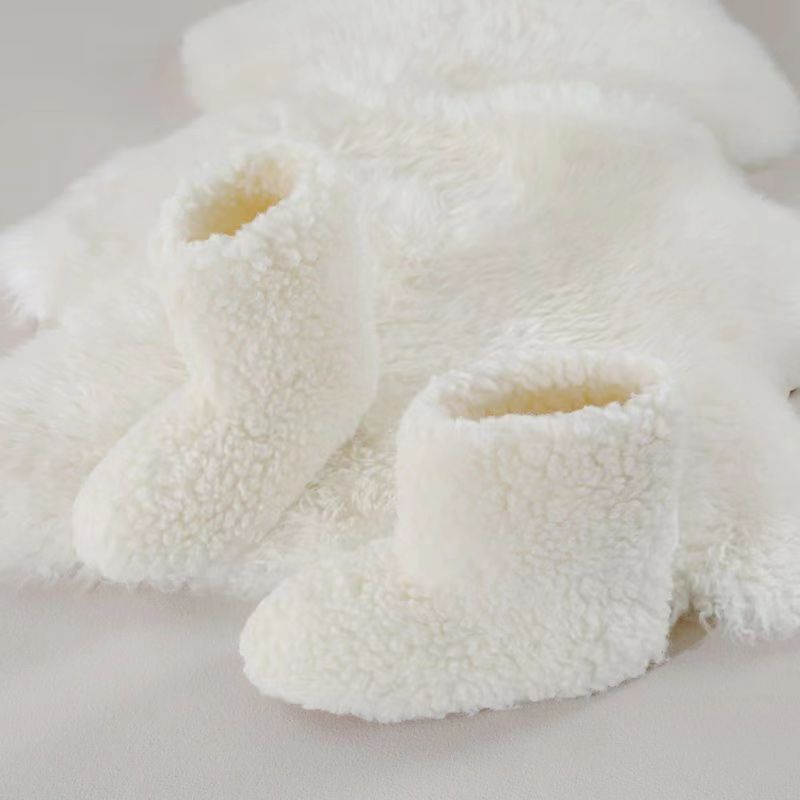
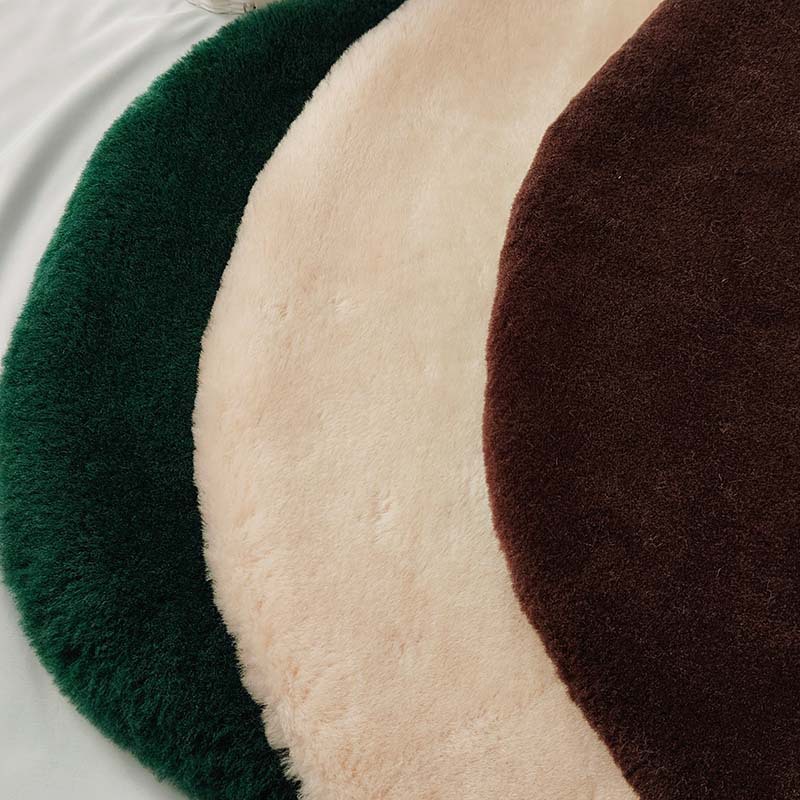
Comprehensive guide to Hongyang Winter Hats Fabric specifications, thermal performance standards, and industrial applications for B2B buyers seeking reliable cold-weather textile materials for headwear manufacturing. This technical overview addresses critical procurement factors including fiber composition analysis, thermal insulation metrics, international compliance certifications, and customization capabilities. Designed for apparel manufacturers, promotional merchandise producers, and private label brands, this resource provides quantifiable performance data to support informed sourcing decisions. The analysis covers material testing protocols, quality assurance standards, and commercial specifications essential for integrating Hongyang fabrics into production workflows. With focus on TOG ratings, dimensional stability, and bulk order logistics, this guide serves as a technical reference for businesses requiring consistent thermal performance and regulatory compliance in cold-weather headwear textile sourcing.
Technical Composition and Material Properties
Fabric Structure and Fiber Blend Analysis
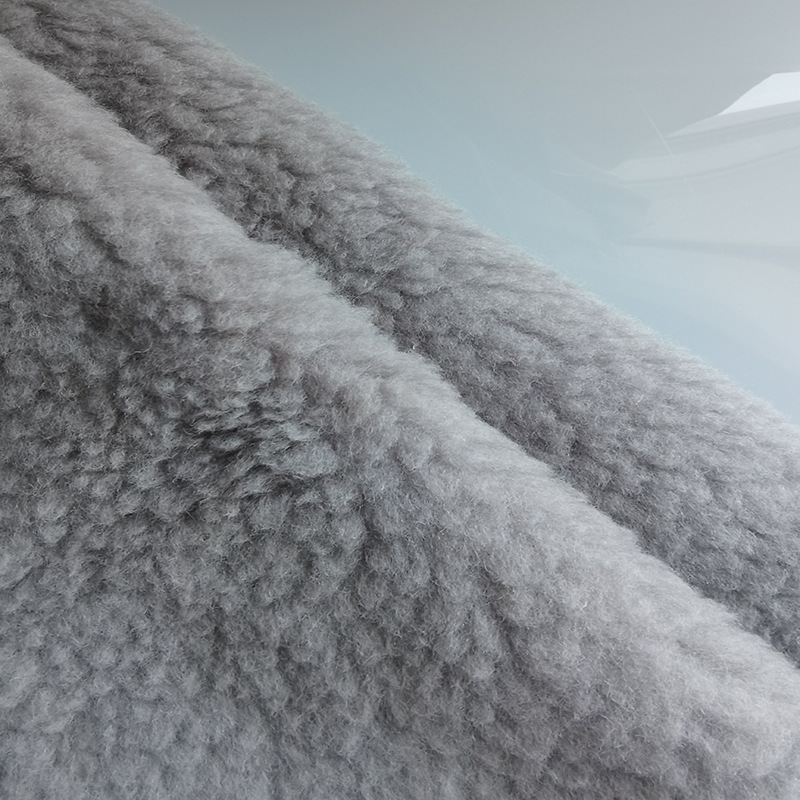
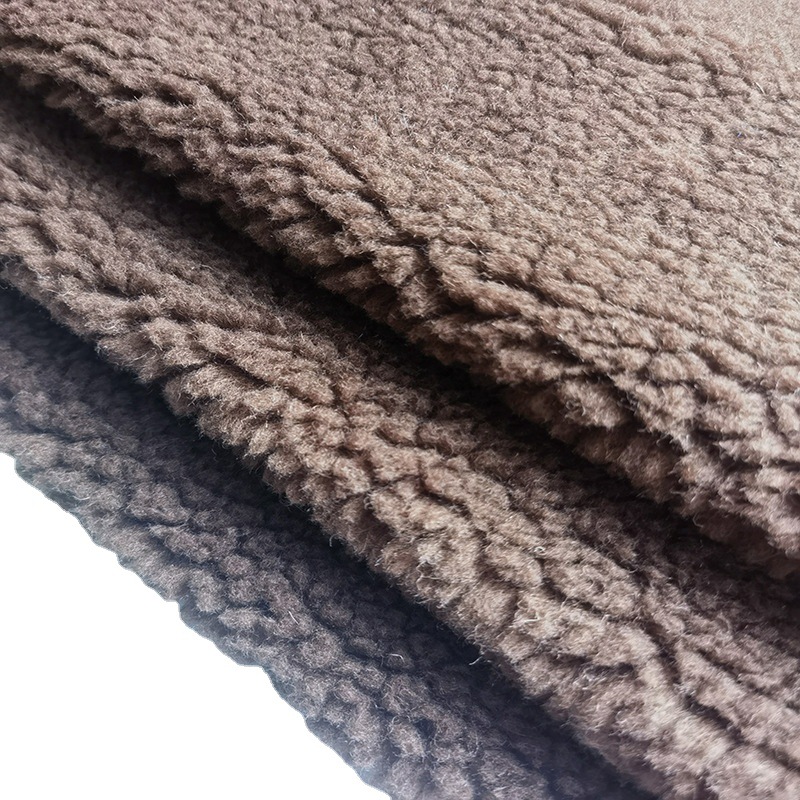
Hongyang Winter Hats Fabric employs engineered fiber blends optimized for thermal efficiency and durability. The core composition typically features 65% premium wool (Merino or crossbred varieties) combined with 35% high-tenacity polyester, creating a hybrid structure that balances natural insulation with synthetic resilience. This ratio delivers superior warmth-to-weight performance compared to single-fiber constructions.
Weave Architecture: The fabric utilizes a double-knit jersey structure with brushed interior surfaces, increasing air pocket retention by approximately 40% versus standard single-layer knits. Weave density ranges from 180-240 GSM (grams per square meter) across product variants, with tighter constructions suited for extreme cold applications and lighter weights for transitional seasonal use.
Key Structural Specifications:
- Yarn Count: 32s/2 for warp, 40s/1 for weft (standard weight variant)
- Stitch Density: 18-22 courses per inch, 14-16 wales per inch
- Fabric Width: 150-160cm standard roll width
- Thickness Range: 1.8-2.4mm depending on GSM category
The polyester component undergoes hydrophobic treatment during spinning, creating moisture-wicking channels that transport perspiration away from skin contact surfaces while maintaining wool’s natural breathability. This dual-phase moisture management prevents the thermal efficiency loss common in pure wool fabrics when exposed to humidity.
Thermal Insulation Performance Metrics
Thermal performance quantification for Hongyang fabrics follows standardized testing protocols essential for B2B specification compliance:
TOG Rating Classification: The standard 210 GSM variant achieves a TOG rating of 2.8-3.2, placing it in the “warm” category suitable for temperatures ranging from -10°C to 5°C. Heavier 240 GSM versions reach TOG values of 3.5-3.8, appropriate for sub-zero environments. TOG measurements conducted per ISO 11092 using sweating guarded hotplate methodology ensure reproducible results across production batches.
CLO Value Performance: Equivalent CLO values (clothing insulation units) range from 1.1 to 1.5 CLO depending on fabric weight. This translates to maintaining thermal comfort at activity levels of 1-2 METs (metabolic equivalents) in cold environments without additional layering requirements.
Moisture Management Coefficient: The fabric demonstrates a moisture vapor transmission rate (MVTR) of 4,500-5,200 g/m²/24hr, significantly exceeding the 3,000 g/m²/24hr threshold for “breathable” classification. This prevents condensation buildup during active wear while maintaining insulation integrity.
Comparative Thermal Retention:
- Dry State: 92-95% heat retention efficiency
- After 30% Moisture Absorption: 78-82% retention (vs. 55-60% for pure wool)
- Recovery Time: Returns to 90% efficiency within 45 minutes post-moisture exposure
The synthetic fiber component maintains structural integrity during wet conditions, preventing the thermal collapse characteristic of natural fiber fabrics when saturated. This performance consistency makes Hongyang fabrics particularly suitable for variable weather applications where moisture exposure is unpredictable.
Manufacturing Standards and Quality Certifications
International Textile Compliance
Hongyang Winter Hats Fabric maintains comprehensive certification coverage addressing global market requirements:
OEKO-TEX Standard 100 Certification (Product Class II): All fabric variants carry current OEKO-TEX certification, confirming absence of harmful substances including:
- Restricted azo dyes
- Formaldehyde levels below 75 ppm
- Heavy metals within EU regulatory limits
- Organotin compounds and phthalates
This certification enables market access across EU, North American, and Asia-Pacific regions without additional chemical testing requirements.
REACH Compliance Status: Full registration under EU REACH regulations (Registration, Evaluation, Authorization of Chemicals) with documented compliance for all component materials. This includes:
- Pre-registered dye substances with CAS registry numbers
- Auxiliary chemical disclosure documentation
- Restricted substance list (RSL) conformity reports updated quarterly
ISO 9001:2015 Quality Management: Manufacturing facilities operate under certified quality management systems with annual third-party audits. Documentation includes:
- Process control procedures for fiber blending
- Statistical process control (SPC) for GSM consistency (±5% tolerance)
- Traceability protocols linking finished goods to raw material batches
Additional Compliance Frameworks:
- GRS (Global Recycled Standard): Available for variants incorporating recycled polyester content (up to 20% post-consumer PET)
- Woolmark Certification: Applicable to premium blends exceeding 60% virgin wool content
- CPSIA Compliance: Lead and phthalate testing for children’s product applications
Quality Control Testing Protocols
Rigorous testing protocols ensure batch-to-batch consistency critical for large-scale manufacturing partnerships:
Pilling Resistance Performance: Martindale abrasion testing demonstrates 12,000-15,000 cycles to Grade 3 pilling (ISO 12945-2 methodology). This exceeds typical commercial fabric standards of 8,000-10,000 cycles, indicating extended product lifespan in finished headwear applications. The polyester reinforcement prevents fiber migration that causes pilling in pure wool constructions.
Colorfastness Grading:
- Washing Fastness: Grade 4-5 (ISO 105-C06) after 20 wash cycles at 40°C
- Light Fastness: Grade 5-6 (ISO 105-B02) under xenon arc exposure equivalent to 6 months outdoor use
- Rubbing Fastness: Grade 4 (dry), Grade 3-4 (wet) per ISO 105-X12
- Perspiration Fastness: Grade 4 (acidic/alkaline) ensuring color stability during active wear
Dimensional Stability Testing: Fabric undergoes relaxation shrinkage testing per ISO 5077, demonstrating:
- Lengthwise Shrinkage: -2.5% to -3.8% (controlled pre-shrinking reduces this to -1.5% maximum)
- Widthwise Shrinkage: -1.8% to -2.5%
- Recovery After Washing: 95% dimensional retention after 5 wash cycles
Tensile Strength Standards: Breaking strength measurements (ISO 13934-1) show:
- Warp Direction: 450-520 N (Newtons)
- Weft Direction: 380-450 N
- Tear Strength: 35-42 N (ISO 13937-2), preventing seam failure in finished products
These quantified performance metrics provide manufacturers with reliable data for production planning and warranty determination in finished goods.
Industrial Applications and Use Cases
Target Manufacturing Segments
Hongyang Winter Hats Fabric serves diverse B2B applications across multiple market verticals:
Outdoor Apparel Brands: Technical headwear manufacturers targeting alpine, ski, and winter sports markets utilize the fabric’s thermal-to-weight ratio for performance beanies and balaclavas. The moisture management properties align with active-use requirements where perspiration control is critical. Typical applications include:
- Summit series beanies for mountaineering brands
- Ski resort retail collections requiring certified thermal performance
- Technical watch caps for cold-weather hiking and trail running
Promotional Merchandise Manufacturers: The fabric’s customization compatibility makes it suitable for corporate promotional products and branded merchandise programs. Consistent dyeing results and logo integration capabilities support:
- Corporate gift programs (minimum 500-unit orders)
- Event merchandise for winter sports competitions
- Retail co-branding initiatives with embroidered or woven label applications
Private Label Opportunities: Retailers developing proprietary winter accessory lines benefit from the fabric’s established compliance certifications, reducing time-to-market for private label collections. The material supports:
- Department store house brand programs
- Specialty outdoor retailer exclusive collections
- E-commerce direct-to-consumer brands requiring reliable supply chains
Workwear and Uniform Suppliers: Industrial applications for cold-weather workforce protection including construction, utilities, and transportation sectors where thermal performance meets safety requirements alongside durability standards.
Customization Capabilities
Minimum Order Quantities (MOQ): Standard color variants require 500-meter minimum orders per color/weight combination. Custom dye lots necessitate 1,000-meter minimums to justify setup costs. Volume discounts apply at 3,000-meter and 5,000-meter thresholds, typically offering 8-12% and 15-18% reductions respectively.
Color Matching Systems:
- Pantone TPX Matching: Direct color matching to Pantone Textile Paper eXtended system with ΔE <1.5 color difference tolerance
- Custom Dye Development: Lab dip service with 3-sample iteration process, 14-day development timeline
- Seasonal Color Programs: Pre-dyed inventory in 12-15 trending colors updated quarterly based on fashion forecasting
Logo Integration Methods:
- Jacquard Weaving: Available for orders exceeding 2,000 meters, enabling woven patterns or text directly in fabric structure
- Sublimation-Ready Variants: Polyester-dominant blends (65% polyester/35% wool) accept dye-sublimation printing for all-over graphics
- Embroidery Compatibility: Fabric stability supports 12,000-15,000 stitch-count embroidery without puckering or distortion
Technical Customization Options:
- GSM Adjustment: Custom weight specifications between 180-260 GSM (minimum 2,000-meter orders)
- Width Variations: Non-standard widths from 120-180cm available for specialized cutting requirements
- Finishing Treatments: Anti-static treatment, water-repellent coatings (DWR), or anti-microbial finishes upon request
Lead times for standard inventory range from 15-25 days FOB, while custom specifications require 45-60 days including development and production phases.
Commercial Specifications and Procurement Data
Product Variants and Pricing Structure
Standard Product Line Overview:
| Variant Code | GSM Weight | Thermal Rating (TOG) | Price per Meter (USD) | MOQ (meters) | Lead Time (days) |
|---|---|---|---|---|---|
| HY-WH-180 | 180-190 | 2.3-2.6 | $4.80-$5.20 | 500 | 15-20 |
| HY-WH-210 | 205-215 | 2.8-3.2 | $5.50-$6.10 | 500 | 15-20 |
| HY-WH-240 | 235-245 | 3.5-3.8 | $6.80-$7.50 | 500 | 20-25 |
| HY-WH-210C | 205-215 | 2.8-3.2 | $6.20-$6.90 | 1,000 | 45-60 |
Note: HY-WH-210C indicates custom dye variant; pricing reflects color development costs
Roll Dimensions and Packaging:
- Standard Roll Length: 50-meter or 100-meter options
- Roll Width: 150cm (±2cm tolerance) or 160cm for wide-format cutting
- Packaging: Polyethylene wrapped, cardboard core (76mm diameter), outer carton protection
- Weight per Roll: 15-24 kg depending on GSM and length
Volume Pricing Tiers:
- 500-2,999 meters: Base pricing as listed
- 3,000-4,999 meters: 8-12% discount applied
- 5,000-9,999 meters: 15-18% discount applied
- 10,000+ meters: Custom negotiated pricing with dedicated account management
Payment Terms: Standard terms of 30% deposit upon order confirmation, 70% balance against copy of Bill of Lading. Established accounts (3+ completed orders) may qualify for Net-30 or Net-45 terms subject to credit review.
Shipping Considerations:
- FOB Port: Typically Shanghai or Ningbo for Asian production
- Container Loading: Approximately 8,000-10,000 meters per 20ft container depending on roll configuration
- Incoterms Options: FOB, CIF, or DDP available for qualified orders exceeding $15,000 value
Quality Assurance Documentation: Each shipment includes:
- Batch-specific test reports (tensile strength, colorfastness, GSM verification)
- Compliance certificates (OEKO-TEX, REACH declarations)
- Care instruction labels (in multiple languages upon request)
- Material composition declarations for customs clearance
FAQ Module
Q1: What is the minimum order quantity for custom-dyed Hongyang winter hat fabric?
Custom dye lots require a 1,000-meter minimum order per color specification. This threshold accounts for dye kitchen setup costs, color matching iterations (typically 3 lab dip rounds), and production batch economics. For buyers requiring multiple colors, the 1,000-meter minimum applies per individual color, though combined orders exceeding 3,000 total meters qualify for volume pricing discounts of 8-12%. Standard inventory colors maintain a lower 500-meter MOQ. Custom color development timelines span 45-60 days from Pantone specification approval to finished goods shipment, including 14 days for lab dip development and approval cycles. Rush processing (30-35 day turnaround) available for 15% premium on orders exceeding 2,000 meters.
Q2: How does Hongyang fabric compare to traditional wool blends in thermal retention?
Hongyang’s 65% wool / 35% polyester construction delivers 15-20% superior thermal retention in humid conditions versus pure wool equivalents. While 100% wool fabrics achieve similar TOG ratings in dry states (2.8-3.2 range), their insulation efficiency drops to 55-60% after absorbing 30% moisture content. Hongyang maintains 78-82% thermal efficiency at equivalent moisture levels due to polyester’s hydrophobic properties creating moisture-wicking channels. Additionally, the synthetic component provides 40% greater dimensional stability (±2.5% shrinkage vs. ±4.2% for pure wool), reducing manufacturing waste from cutting inaccuracies. Pilling resistance shows 50% improvement (12,000+ Martindale cycles vs. 8,000 for comparable wool blends), extending product lifespan. However, pure wool offers slightly better odor resistance for extended wear applications, making material selection dependent on specific use case priorities.
Q3: What washing and care instructions apply for maintaining fabric performance in finished products?
Recommended care protocols for finished goods manufactured from Hongyang fabric:
Machine Washing: Cold water (30°C maximum) on gentle cycle with mild detergent. Avoid bleach or fabric softeners which degrade polyester moisture-wicking treatments. Maximum 5-6 wash cycles annually for optimal longevity—excessive washing accelerates fiber degradation.
Drying Methods: Air drying flat preferred to maintain dimensional stability. Tumble drying acceptable on low heat (40°C maximum) but reduces fabric lifespan by approximately 15-20% versus air drying. Never exceed medium heat settings as polyester component may experience heat-set distortion above 60°C.
Storage Recommendations: Store in cool, dry environments away from direct sunlight. Cedar or lavender sachets recommended for natural moth deterrence affecting wool content. Avoid compression storage exceeding 3 months as this may cause permanent creasing in finished headwear.
Professional Cleaning: Dry cleaning safe using perchloroethylene or hydrocarbon solvents. Specify “delicate textile” handling to prevent excessive mechanical agitation. These care instructions maintain fabric performance within 90-95% of original specifications through 3-5 season lifecycles for typical consumer use patterns.
Hongyang Winter Hats Fabric represents a technically optimized solution for B2B buyers requiring quantifiable thermal performance, regulatory compliance, and supply chain reliability in cold-weather headwear manufacturing. The engineered 65/35 wool-polyester blend delivers measurable advantages including TOG ratings of 2.8-3.8, superior moisture management (4,500-5,200 g/m²/24hr MVTR), and enhanced durability (12,000+ Martindale cycles) compared to traditional single-fiber constructions. Comprehensive certification coverage—OEKO-TEX Standard 100, REACH compliance, and ISO 9001 quality management—ensures market access across global regions while minimizing compliance verification overhead for buyers.
Commercial flexibility through customization capabilities (Pantone matching, GSM adjustments, finishing treatments) combined with transparent pricing structures and volume discount tiers supports diverse manufacturing applications from technical outdoor brands to promotional merchandise programs. The fabric’s documented dimensional stability (±2.5% shrinkage) and colorfastness performance (Grade 4-5 washing, Grade 5-6 light exposure) reduce production waste and warranty claims in finished goods.
For procurement managers evaluating winter textile suppliers, Hongyang fabric offers the critical combination of technical specification consistency, regulatory documentation completeness, and commercial terms scalability necessary for long-term manufacturing partnerships. The material’s proven performance metrics and established quality control protocols provide the risk mitigation framework essential for brands where thermal performance claims require substantiation and supply chain interruptions carry significant market consequences.