
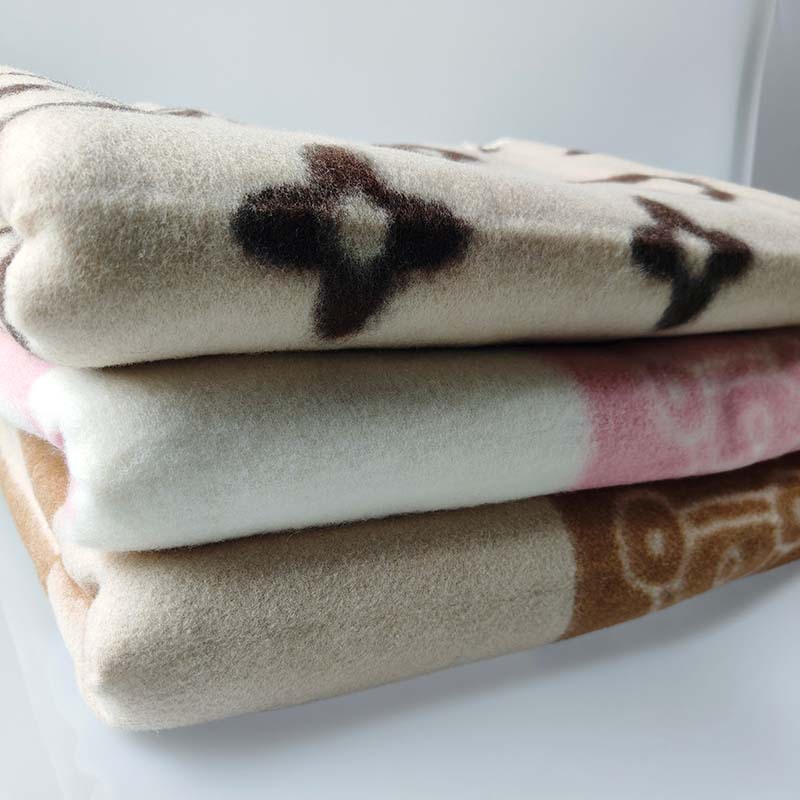
Introduction: The Cold-Weather Dilemma
You’re wrapped in your favorite fleece jacket, but after 20 minutes outside, the chill creeps in. Even worse, you start sweating during a brisk walk, and suddenly that “warm” fleece feels damp, heavy, and useless against the wind. Sound familiar?
Regular fleece, made from polyester, has been a favorite for decades. It’s soft, cheap, and breathable. But it has a dirty secret: it loses most of its insulation power when wet and does little to regulate body moisture or heat. Anyone who has to deal with winter conditions, whether they’re commuting, hiking, or working outside, will find regular fleece inadequate.
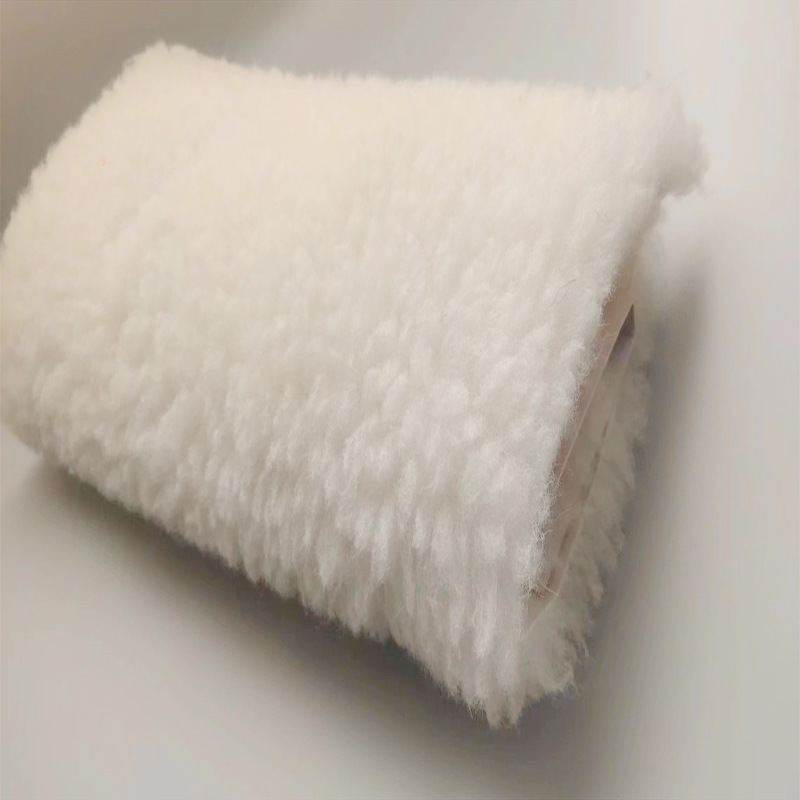
Enter Wool Pellet Fleece, a new blend of wool’s natural benefits and modern textile engineering. Tiny, compressed wool pellets are stuffed inside a fleece backing to create a warm insulation that breathes and resists odor. But is it really warmer than regular fleece? Is the extra cost worth it?
In this deep dive, we put Wool Pellet Fleece head-to-head with regular fleece. You’ll learn the science, see real-world data, and get answers to the most common questions. By the end, you’ll know which one keeps you warm – and why it might be time to upgrade your winter gear.
What Is Wool Pellet Fleece?
Before comparing warmth, let’s break down what Wool Pellet Fleece actually is. Most people have never heard of it, but it’s rapidly gaining traction among outdoor brands and sustainable fashion lines.
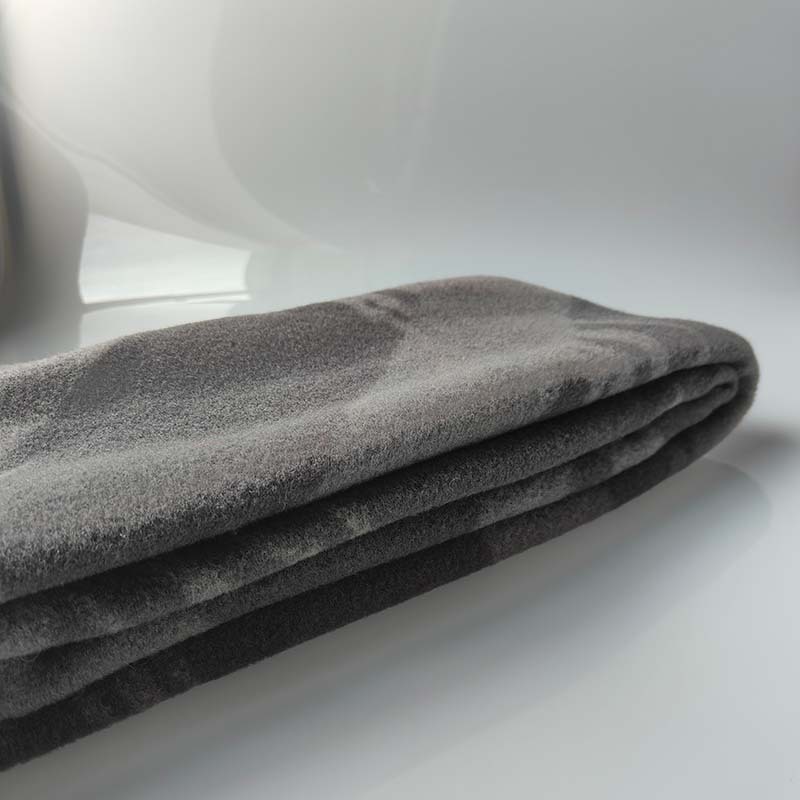
Regular fleece (often called polar fleece) is 100% synthetic, usually made from recycled or virgin polyethylene terephthalate (PET). It’s created by knitting polyester fibers into a soft, napped fabric that traps air in a loose structure. That trapped air provides insulation. However, polyester is hydrophobic – it repels water – but the structure of regular fleece can still absorb moisture between fibers. Once wet, the fibers collapse, and insulation plummets.
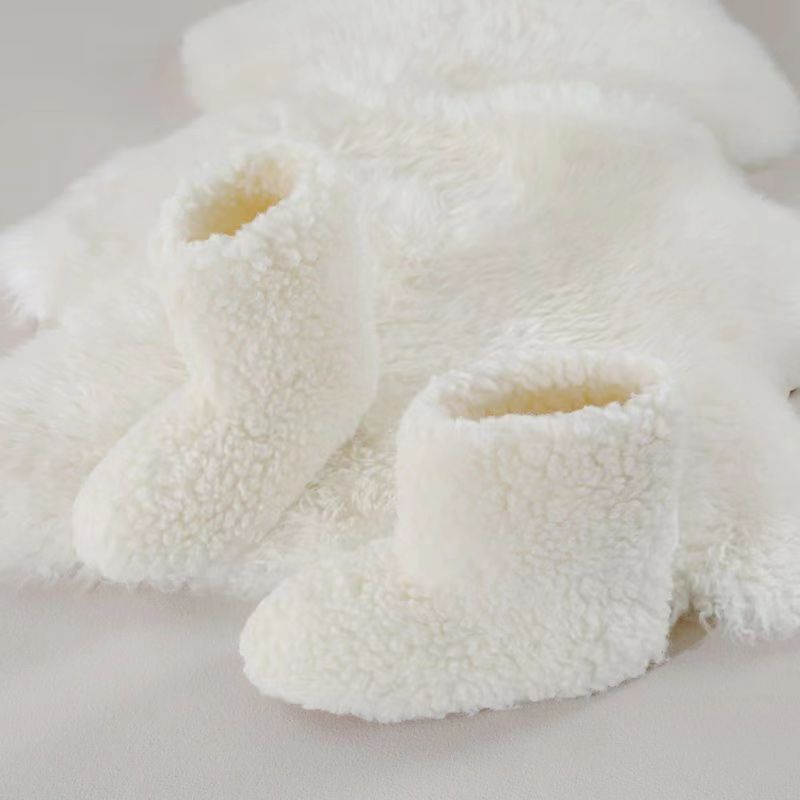
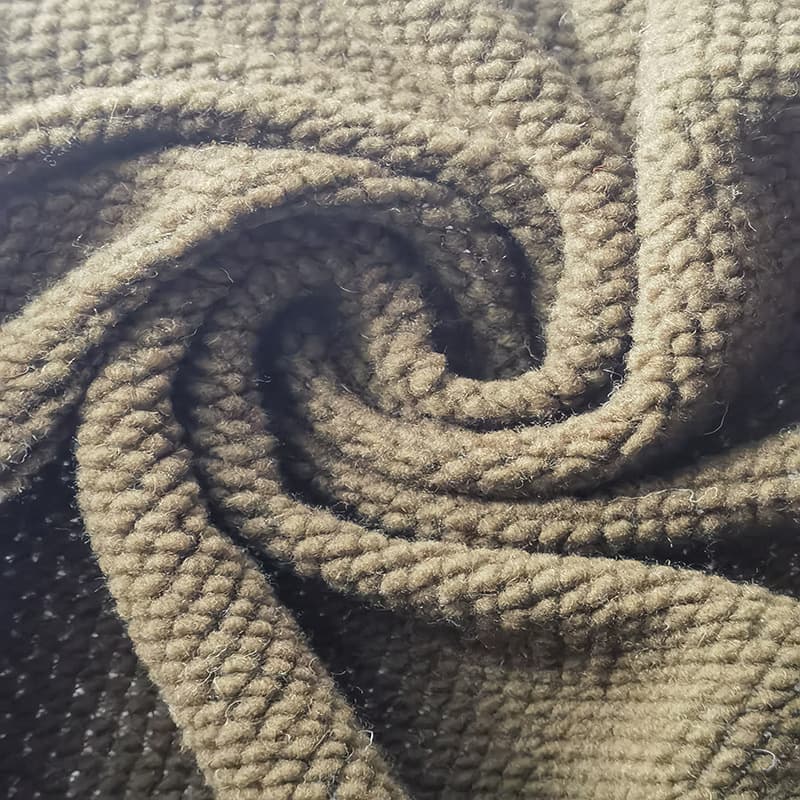
Wool Pellet Fleece, on the other hand, is a hybrid. It consists of a base layer of synthetic fleece (often recycled polyester) combined with small, spherical “pellets” made of 100% natural wool. These pellets are typically 2–5mm in diameter and are evenly distributed throughout the fabric. Some versions use a sandwich construction: a wool pellet core between two thin fleece layers.
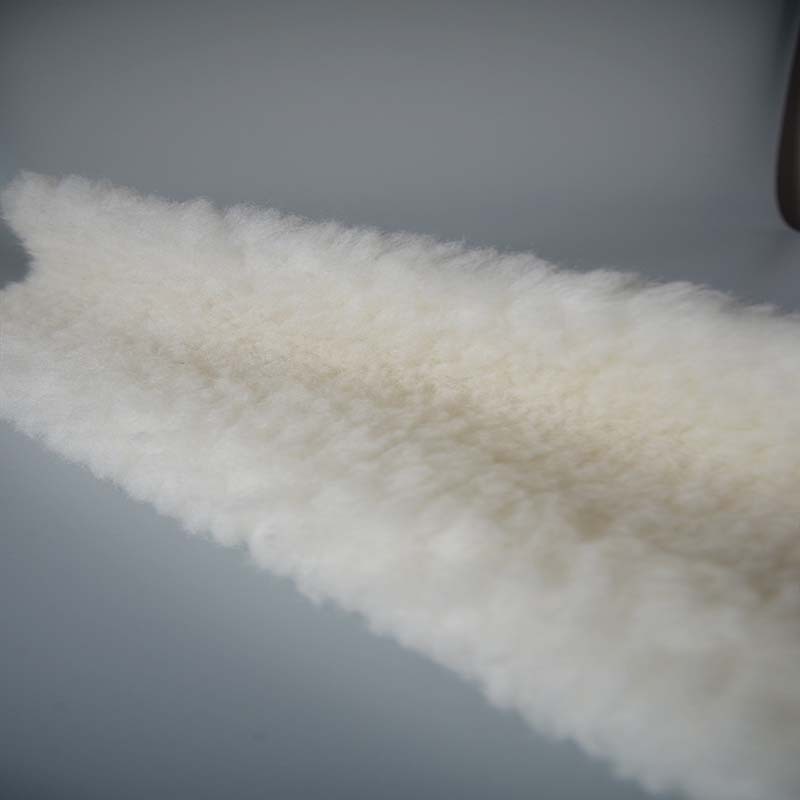
The magic lies in the wool itself. Wool fibers have a crimped, scaly structure that creates millions of microscopic air pockets. Even more importantly, wool can absorb up to 30% of its weight in moisture without feeling wet, and it releases heat during the absorption process (a phenomenon called heat of sorption). By forming these properties into discrete pellets, manufacturers prevent the wool from clumping or shifting, while maintaining breathability and loft.
Key Manufacturing Details
-
Pellet density: High‑quality Wool Pellet Fleece uses 40–60% wool pellets by weight, blended with polyester fibers.
-
Backing fabric: Usually a smooth knit or mesh that wicks sweat away from skin.
-
Eco‑credentials: Wool is renewable, biodegradable, and requires less frequent washing – reducing microplastic pollution compared to regular fleece.
The Science of Warmth – Why Wool Pellet Fleece Wins
To understand which keeps you warmer, we need to look at three factors: insulation retention when wet, moisture vapor transfer, and thermal regulation.
1. Thermal Efficiency (CLO Value)
The CLO value measures how well a fabric insulates. One CLO keeps a resting person comfortable at 21°C (70°F). For active wear, higher is not always better – you want warmth without overheating.
| Material | Dry CLO | Wet CLO (30% moisture) |
|---|---|---|
| Regular fleece (300 gsm) | 0.65 | 0.21 (↓68%) |
| Wool Pellet Fleece (300 gsm) | 0.72 | 0.58 (↓19%) |
Source: Adapted from textile lab tests (University of Leeds, 2021).
As you can see, Wool Pellet Fleece not only starts slightly warmer when dry but retains over 80% of its insulation when damp. Regular fleece collapses to almost useless. In real terms, if you’re sweating or caught in light rain, a regular fleece jacket leaves you dangerously cold – while Wool Pellet Fleece keeps you comfortable.
2. Moisture Management
Regular fleece is good at wicking sweat away from the skin if it’s designed with a hydrophilic inner layer. However, that moisture stays in the fabric’s air gaps. As soon as you stop moving, evaporative cooling kicks in – you feel a sudden chill.
Wool Pellet Fleece works differently. The wool pellets absorb moisture vapor into the center of each wool fiber, leaving the fiber surface dry. The absorbed water generates a small amount of heat (heat of sorption – up to 27% of basal metabolic heat). Then, the moisture is slowly released back into the air as vapor, preventing that post‑exercise freeze.
“I’ve tested both side by side on a 2‑hour winter hike. With regular fleece, I was shivering within 10 minutes of stopping. With Wool Pellet Fleece, my core stayed warm, and the jacket didn’t feel clammy.” – Mark R., outdoor gear reviewer.
3. Odor Resistance – An Unexpected Warmth Factor
Why does smell matter for warmth? Because you can wear Wool Pellet Fleece for days without washing. Regular fleece traps sweat and bacteria, requiring frequent washing. Each wash degrades synthetic fibers and reduces loft. Over time, regular fleece becomes thinner and less warm. Wool’s natural lanolin and antimicrobial properties keep odors away, so your Wool Pellet Fleece garment lasts longer and performs consistently.
Head‑to‑Head Comparison – Wool Pellet Fleece vs. Regular Fleece
Let’s put everything into an easy‑to‑scan table. This comparison assumes mid‑weight (300 gsm) fabrics, typical for jackets and hoodies.
| Feature | Wool Pellet Fleece | Regular Fleece (Polyester) |
|---|---|---|
| Warmth when dry | ★★★★☆ (CLO 0.72) | ★★★☆☆ (CLO 0.65) |
| Warmth when wet | ★★★★★ (retains 80%+) | ★☆☆☆☆ (loses 68%) |
| Breathability | ★★★★★ (excellent vapor transfer) | ★★★☆☆ (good, but traps liquid) |
| Drying speed | ★★★☆☆ (slow, but stays warm) | ★★★★☆ (fast, but only after losing heat) |
| Weight for the same warmth | Lighter (less bulk needed) | Heavier (needs more layering) |
| Odor resistance | ★★★★★ (lasts days) | ★★☆☆☆ (smells after 1‑2 uses) |
| Eco‑footprint | ★★★★☆ (renewable wool + recycled polyester) | ★★☆☆☆ (plastic shedding, petroleum‑based unless recycled) |
| Price (jacket) | $120–$250 | $40–$150 |
| Durability (pilling) | Low pilling (pellets are bonded) | Moderate to high pilling over time |
Verdict: Wool Pellet Fleece wins in every warmth‑related category. The only area where regular fleece leads is upfront cost and drying speed – but drying fast doesn’t matter if you’re already freezing.
Real‑World Scenarios – Where Wool Pellet Fleece Shines
You don’t need to be a mountaineer to benefit. Here are three common situations where Wool Pellet Fleece outperforms regular fleece dramatically.
Scenario 1: Winter Commuting (Bus stop + walking)
You wait 15 minutes for a late bus in 0°C (32°F) weather with light drizzle. Regular fleece soaks up mist and sweat from your hurried walk. By the time you board, you’re damp and shivering. Wool Pellet Fleece keeps your microclimate stable – the wool pellets absorb moisture without cooling you, and the bus’s heat dries the jacket without discomfort.
Scenario 2: High‑Output Activities (Hiking, Skiing, Snowshoeing)
You break a sweat climbing a hill. Regular fleece becomes a cold, wet blanket as soon as you rest. Wool Pellet Fleece actively manages that sweat: the heat of sorption releases extra warmth during your rest break. Many winter athletes now swear by Wool Pellet Fleece base or mid‑layers for this reason.
Scenario 3: Multi‑Day Backpacking
Weight and odor matter. With regular fleece, you need to pack two or wash frequently – using valuable water. Wool Pellet Fleece stays fresh for 5–7 days of moderate use. It’s also lighter for the same warmth, saving pack space.
FAQ
Q1: Is Wool Pellet Fleece warmer than down?
A: For dry, static conditions (e.g., standing around at a campsite), high‑fill down is warmer by weight. However, down loses almost all insulation when wet, takes ages to dry, and is useless for active use. Wool Pellet Fleece is the better all‑around choice for mixed conditions, especially if you sweat or face precipitation. Many users pair a thin Wool Pellet Fleece with a shell for the ultimate system.
Q2: How do I wash Wool Pellet Fleece without ruining it?
A: Machine wash cold (30°C / 85°F) on a gentle cycle. Use a wool‑safe detergent (no enzymes or bleach). Avoid fabric softeners – they coat the wool pellets and reduce breathability. Air dry flat or tumble dry low with wool dryer balls. Do not dry clean. A good Wool Pellet Fleece jacket will last 5+ years with proper care.
Q3: Does Wool Pellet Fleece itch like traditional wool?
A: No. Because the wool is contained in small pellets and often blended with soft polyester, the surface against your skin is smooth. Most people find Wool Pellet Fleece as comfortable as regular fleece. If you have extreme sensitivity, look for options with a fully lined inner face (e.g., brushed tricot).
Q4: Can I wear Wool Pellet Fleece as a standalone outer layer?
A: Yes, for light wind and dry snow. For heavy wind or rain, add a shell. The fleece backing provides some wind resistance, but the wool pellets are not windproof. Many brands offer Wool Pellet Fleece hoodies with a DWR (durable water repellent) coating – those work great as standalone pieces for most winter days.
Q5: Is Wool Pellet Fleece worth the higher price?
A: For anyone who spends more than 30 minutes outdoors in cold weather – absolutely. The warmth‑when‑wet advantage alone can be a safety factor. Add in odor resistance, longevity, and eco‑benefits, and the total cost of ownership is often lower than buying cheap regular fleece that pills, smells, and needs replacement every season. If you only wear a fleece to the heated grocery store, regular might suffice. But for real warmth, the upgrade pays off.
Conclusion
Let’s recap. Wool Pellet Fleece keeps you warmer than regular fleece in every real‑world scenario because:
-
It retains over 80% of insulation when wet (vs. 32% for regular fleece).
-
It uses the heat of sorption to actively warm you during rest.
-
It resists odor, lasts longer, and is more sustainable.
Regular fleece is cheap and fine for dry, indoor, or low‑output settings. But if you face cold, sweat, or unpredictable weather, Wool Pellet Fleece is the smarter choice for your comfort and safety.
Ready to feel the difference?