Inleiding
For textile buyers comparing different wool materials, the choice between wool jacquard fabric and plain wool depends on design requirements, production needs, and target market positioning. Wool jacquard fabric features intricate woven patterns and dimensional textures, while plain wool offers a clean and versatile appearance.
Neither fabric is universally better than the other. Each has unique advantages for different applications, including luxury apparel, accessories, and home textiles. Understanding their differences in texture, durability, and performance helps brands and manufacturers select the right material for their products.
What Exactly Is Wool Jacquard Fabric, and How Is It Made?
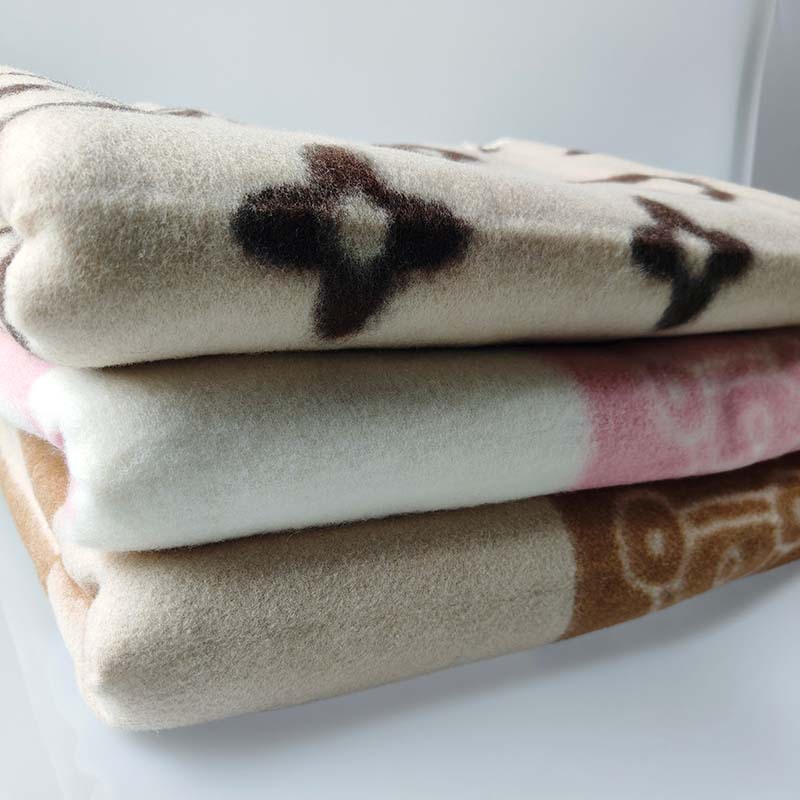
Wool jacquard fabric is defined by its intricate patterns woven directly into the fabric rather than printed or embroidered onto the surface. This weaving technique creates complex designs, including florals, geometrics, stripes, and textured patterns, with a distinctive three-dimensional effect. The fabric is named after Joseph Marie Jacquard, whose invention of the Jacquard loom transformed patterned textile production in the early 19th century.
Unlike printed fabrics, the patterns of wool jacquard fabric are integrated into the structure of the material, making them more resistant to fading or wearing off. Many jacquard fabrics are also reversible, with different color effects on each side, providing greater design flexibility.
Key features of jacquard weaving include:
- Directly woven patterns with long-lasting visual effects
- Three-dimensional texture and enhanced depth
- Reversible designs for versatile applications
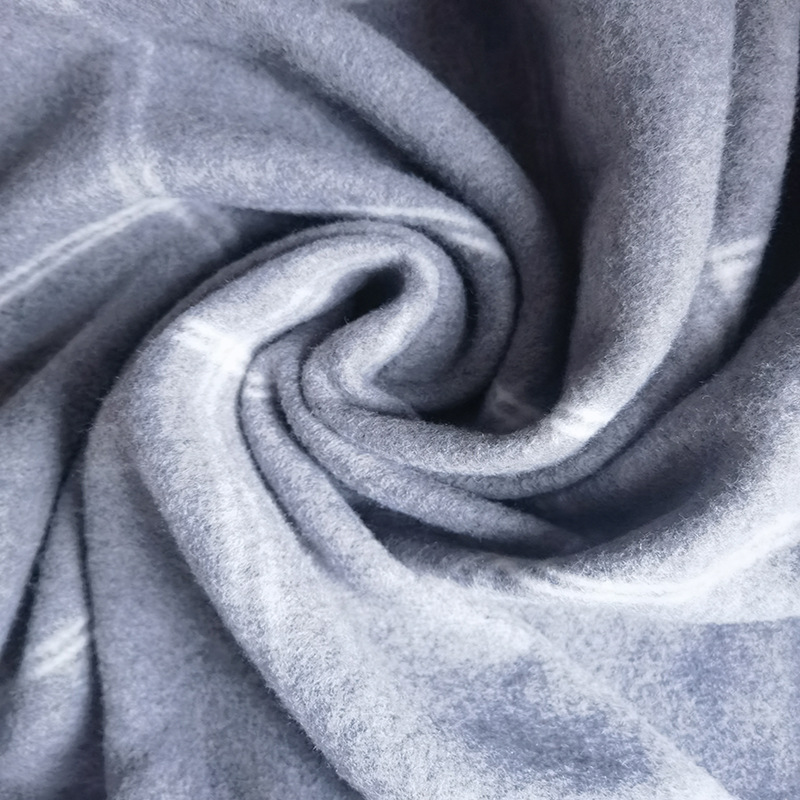
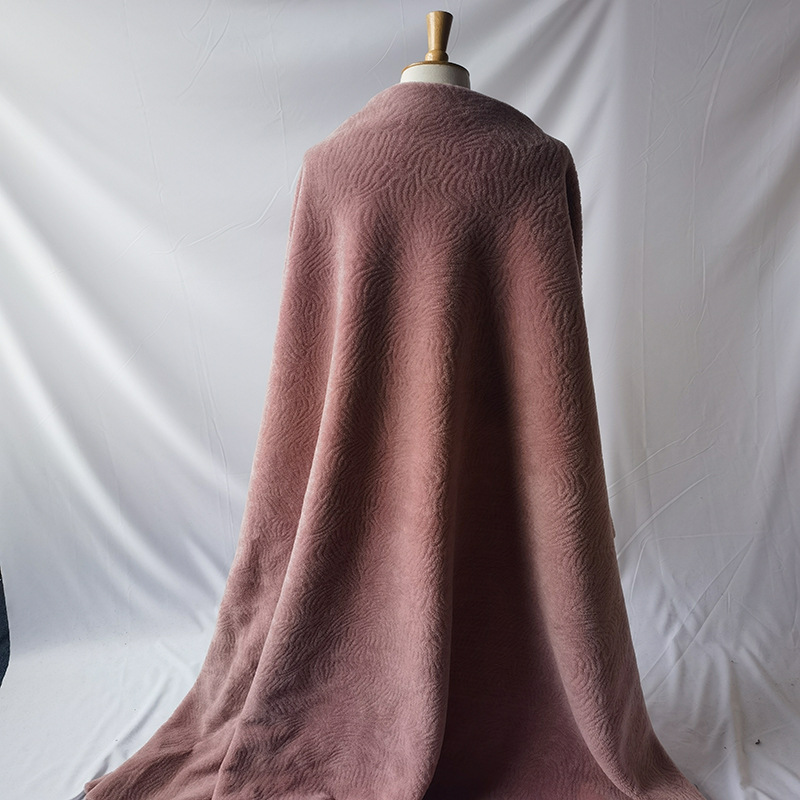
Hongyang’s European-style wool jacquard fabric uses a 100% wool pile face with a 100% polyester base cloth. This construction combines the softness and premium feel of wool with the stability and durability of polyester. With a weight of 600 g/m² and a width of 160 cm, this fabric provides a strong structure and warmth, making it suitable for premium coats, fashion items, and textile applications requiring both aesthetics and performance.
What Makes Plain Wool Fabric Different from Wool Jacquard Fabric?
Plain wool fabric uses the simplest weaving structure, where yarns cross over and under each other in a regular pattern. This creates a smooth, uniform surface with good strength, breathability, and a classic appearance.
Compared with wool jacquard fabric, plain wool is generally more cost-effective because its production process is simpler and requires less complex equipment. However, it still maintains the natural advantages of wool:
- Excellent warmth and insulation
- Natural breathability and moisture management
- Soft hand feel and comfortable wearing experience
For buyers prioritizing minimal designs, versatility, and cost efficiency, plain wool remains a practical choice. For products requiring distinctive patterns and stronger visual appeal, wool jacquard fabric provides greater design value.
How Do They Compare on Durability and Longevity?
The durability of wool jacquard fabric and plain wool depends largely on their construction and end-use requirements.
Wool jacquard fabric advantages:
- Dense woven structure helps maintain appearance over time
- Textured patterns can better conceal minor stains and surface wear
- Suitable for premium garments and products requiring long-term visual appeal
Plain wool characteristics:
- Durable and reliable for everyday applications
- May show pilling or surface wear more easily in high-friction areas
- Requires more attention to maintain a refined appearance
Hongyang’s wool jacquard fabric combines a wool pile face with a polyester base cloth, improving structural stability while maintaining the natural texture of wool. This hybrid construction helps the fabric retain its shape and durability, making it a suitable option for manufacturers seeking a balance between premium appearance and practical performance.
Which Fabric Offers Superior Comfort and Warmth?
When comparing comfort and warmth, plain wool fabric has a natural advantage, especially when made from 100% wool. Wool fibers provide excellent insulation, moisture absorption, and breathability, helping maintain a comfortable temperature in different conditions.
Hongyang’s wool jacquard fabric is designed to balance comfort with structural performance. The 100% wool pile face provides a soft and warm touch, while the polyester base enhances dimensional stability and durability. The raised pile structure creates a fuller texture, improving warmth retention while maintaining a refined appearance.
However, the choice depends on the final application. For products where natural fiber content and maximum breathability are priorities, high-quality plain wool may be the preferred option. For premium outerwear and fashion products that require warmth, structure, and distinctive texture, wool jacquard fabric offers greater design flexibility.
What About Aesthetics and Visual Impact?
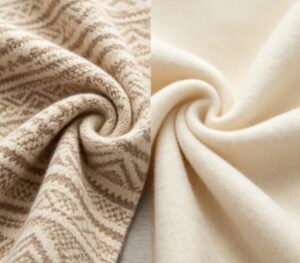
The main difference between wool jacquard fabric and plain wool lies in their visual expression. Unlike plain wool with a simple surface, wool jacquard fabric uses woven patterns to create depth, texture, and a three-dimensional appearance. Because the patterns are integrated into the fabric structure, they provide a more durable and refined visual effect compared with printed designs.
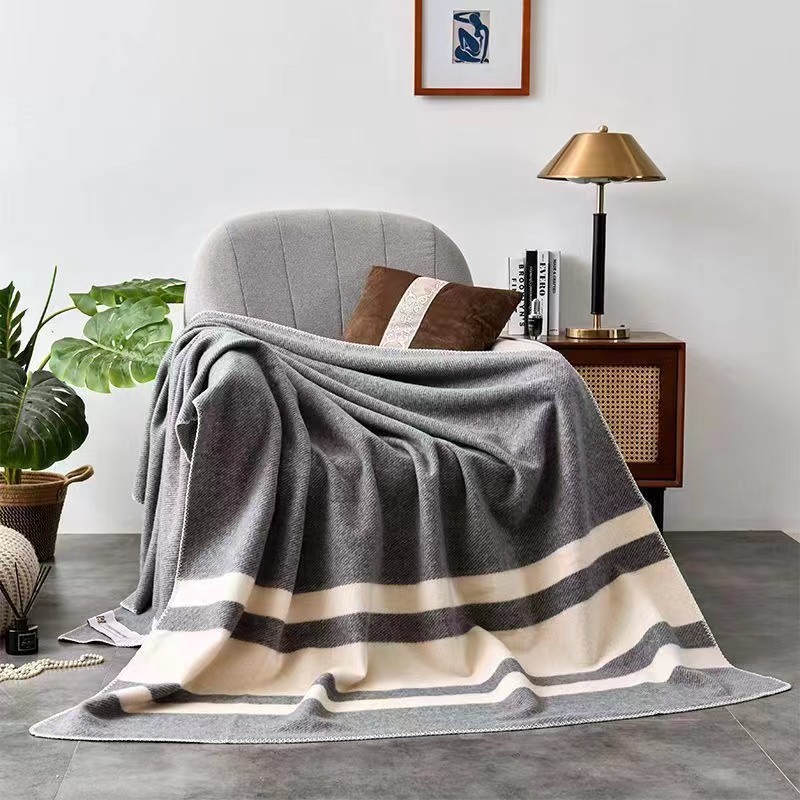
Hongyang’s European-style wool jacquard fabric features a striped Nordic design, combining clear woven patterns with a soft drape and structured feel. This makes it suitable for premium coats, fashion garments, and other products where fabric appearance plays an important role in brand positioning.
Plain wool, on the other hand, offers a timeless and versatile aesthetic. Its clean surface allows designers to focus on silhouette, color, and tailoring details, making it widely used for minimalist and classic styles. For brands looking to create distinctive collections with stronger visual identity, wool jacquard fabric provides more opportunities for differentiation.
Wool Jacquard vs. Plain Wool — Aesthetic and Visual Comparison
| Factor | Wool Jacquard Fabric | Plain Wool Fabric |
|---|---|---|
| Patroon | Woven-in, integral to fabric | None (solid color) |
| Textuur | Three-dimensional, raised patterns | Flat, smooth surface |
| Visual Depth | High — patterns create depth and shadow | Low — uniform appearance |
| Design Flexibility | Unlimited patterns possible | Limited to color and finish variations |
| Reversibility | Often reversible | Same on both sides |
| Brand Positioning | Premium, luxury, high-end | Versatile, mass-appeal |
How Do Maintenance Requirements Differ for Wool Jacquard Fabric vs. Plain Wool?
This is a practical consideration that often gets overlooked in aesthetic comparisons. Wool jacquard fabric is generally easier to maintain than plain wool. The patterned surface naturally hides stains and dirt better than solid-colored plain wool. Many wool jacquard fabrics are machine washable and can be spot-cleaned with relative ease. The dense weave of wool jacquard fabric also resists wrinkling better than plain wool, making it ideal for travel garments and items that need to look fresh with minimal care.
Plain wool, particularly in its pure, untreated form, requires more delicate care. It is more prone to absorbing spills and showing stains. Plain wool fabrics often require hand washing or special wool cycles, and they can be prone to creasing. However, the natural properties of wool—including its stain resistance and odor resistance—mean that plain wool garments often require cleaning only once or twice a year unless visibly soiled. Still, for busy consumers who value convenience, wool jacquard fabric offers a clear advantage because its pattern camouflage keeps the garment looking cleaner for longer between cleanings.
For Hongyang’s wool jacquard fabric, the hybrid construction (wool pile on a polyester base) offers practical advantages. The polyester base provides dimensional stability that helps the wool jacquard fabric hold its shape and resist wrinkling, while the wool surface provides the aesthetic and comfort benefits. This combination makes the wool jacquard fabric suitable for a wide range of applications across all seasons, and many garment makers report that their customers appreciate the lower maintenance burden compared to pure wool alternatives.
What Are the Best Applications for Each Fabric? A Professional Buyer’s Guide
Understanding the ideal use cases for each fabric helps clarify which is “better” for your specific needs. Experienced sourcing professionals evaluate not just the fabric’s properties but also the end-use context, target price point, and brand positioning.
Wool jacquard fabric excels in:
-
High-end fashion garments — coats, blazers, tailored suits where visual identity matters
-
Luxury accessories — scarves, shawls, wraps that need to make a statement
-
Home furnishings — curtains, upholstery, cushions where texture enhances decor
-
Branded products — where pattern and visual identity are key differentiators
-
Statement pieces — garments designed to stand out and command premium pricing
Premium wool jacquard fabric scarves can command retail prices from $99.50 to $220, with luxury brands like Hermès, Gucci, and Burberry regularly featuring jacquard pieces in their collections. The intricate craftsmanship and visual depth allow brands to offer unique, signature designs that elevate their product lines. For these brands, wool jacquard fabric is not just a material—it is a canvas for their creative identity.
Plain wool fabric excels in:
-
Everyday wear — versatile garments for daily use where affordability matters
-
Minimalist designs — where clean lines and simplicity are valued over ornamentation
-
Mass-market products — where cost efficiency and production scalability are priorities
-
Base layers — where breathability and next-to-skin comfort are paramount
-
Classic, timeless pieces — that transcend seasonal trends and appeal to broad audiences
Plain wool scarves, with entry-level prices under $20, dominate in sales volume and everyday utility. They fulfill a core functional need during winter months, guaranteeing reliable sales volume regardless of fashion trends. For manufacturers serving mass-market retailers, plain wool often represents the most cost-effective solution that still delivers wool’s natural benefits.
Wool Jacquard vs. Plain Wool — Performance and Commercial Comparison
| Factor | Wool Jacquard Fabric | Plain Wool Fabric |
|---|---|---|
| Duurzaamheid | Higher — resists visible damage | Moderate — prone to pilling |
| Warmth | Excellent (wool pile) | Excellent (100% wool) |
| Ademend vermogen | Goed | Very good (pure wool) |
| Maintenance | Easier — hides stains, resists wrinkles | Requires delicate care |
| Cost per meter | Higher — premium pricing | Lower — mass-market accessible |
| Aesthetic Impact | High — intricate patterns, texture | Low — minimalist, clean |
| Typical Retail Price Range | $50–$220 per item | $15–$80 per item |
| Best For | Luxury, fashion, branding | Everyday wear, versatility |
What Do Industry Experts and User Feedback Say About Wool Jacquard Fabric?
Industry professionals often value wool jacquard fabric for its ability to create distinctive textile designs in competitive markets. The woven patterns allow fashion brands and manufacturers to develop unique collections while maintaining the natural warmth and texture of wool.
Compared with plain wool, wool jacquard fabric is often chosen for products where appearance, texture, and brand differentiation are important. Its structured surface can help garments maintain a refined look over time, while the integrated patterns provide a more premium visual effect.
Meanwhile, plain wool continues to be preferred for applications that prioritize breathability, lightweight comfort, and natural fiber performance. For base layers, sweaters, and everyday garments, the simple construction of plain wool remains a practical choice.
Making Your Final Decision: Which One Is Right for Your Project?
The choice between wool jacquard fabric and plain wool depends on your product requirements, target market, and production goals. Neither fabric is universally better; each serves different applications within the textile industry.
Wool jacquard fabric is a suitable choice when:
- Creating premium garments, accessories, or home textiles with distinctive patterns
- Building product differentiation through texture and visual appeal
- Developing collections aimed at luxury or high-end markets
Plain wool may be preferred when:
- Natural fiber performance and breathability are the main priorities
- Producing versatile everyday products with cost efficiency in mind
- A minimalist and timeless appearance better fits the brand direction
Hongyang’s European-style wool jacquard fabric combines a 100% wool pile face with a polyester base, offering the softness and warmth of wool with improved structural stability. With a weight of 600 g/m² and a width of 160 cm, it is suitable for premium coats, fashion garments, and other textile applications requiring both aesthetic appeal and reliable performance.
With ready stock availability and customization options for styles, colors, and material compositions, Hongyang supports fashion brands, garment manufacturers, and wholesalers in developing differentiated textile products.