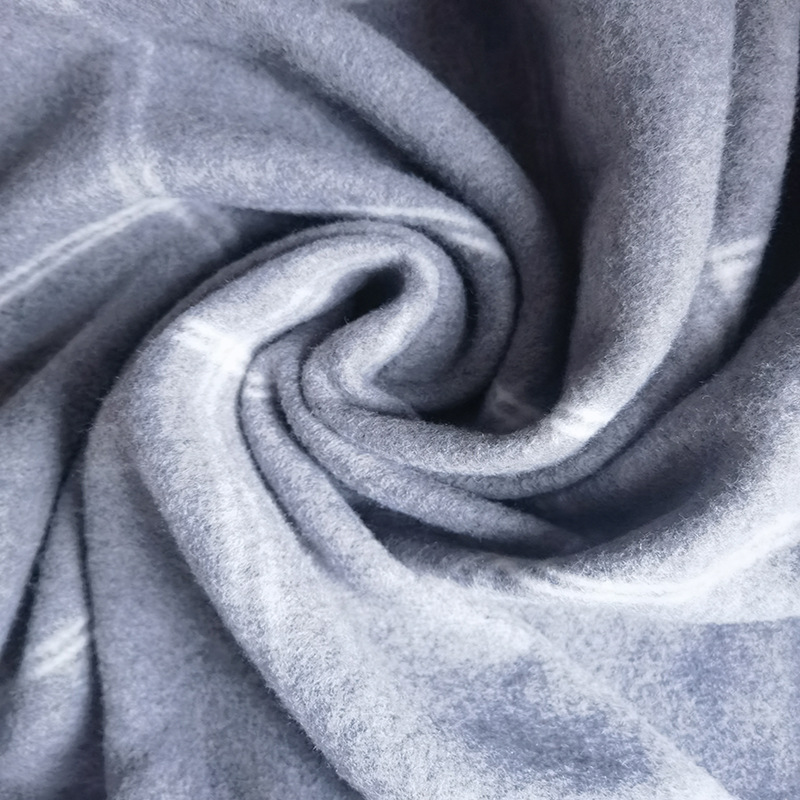
In cold climates and seasonal fashion markets, the choice of fabric determines far more than appearance. It shapes how a garment performs in wind, cold air, and daily wear. For designers and clothing manufacturers producing coats, cloaks, or capes, fabric selection becomes a technical decision involving insulation, structure, durability, and drape.
Among many textile options, premium wool fabric remains one of the most trusted materials for heavyweight clothing. While synthetic fibers have improved significantly over the years, few materials combine warmth, structural integrity, and natural breathability in the same way that high-quality wool does. When crafted correctly, wool textiles deliver both functional performance and a refined visual texture that suits winter garments particularly well.
Heavyweight coats and capes require fabrics capable of maintaining form while still offering comfort and warmth. Premium wool fabric provides the density, elasticity, and thermal efficiency necessary for garments designed to perform in colder environments.
The Structural Advantages of Premium Wool Fabric
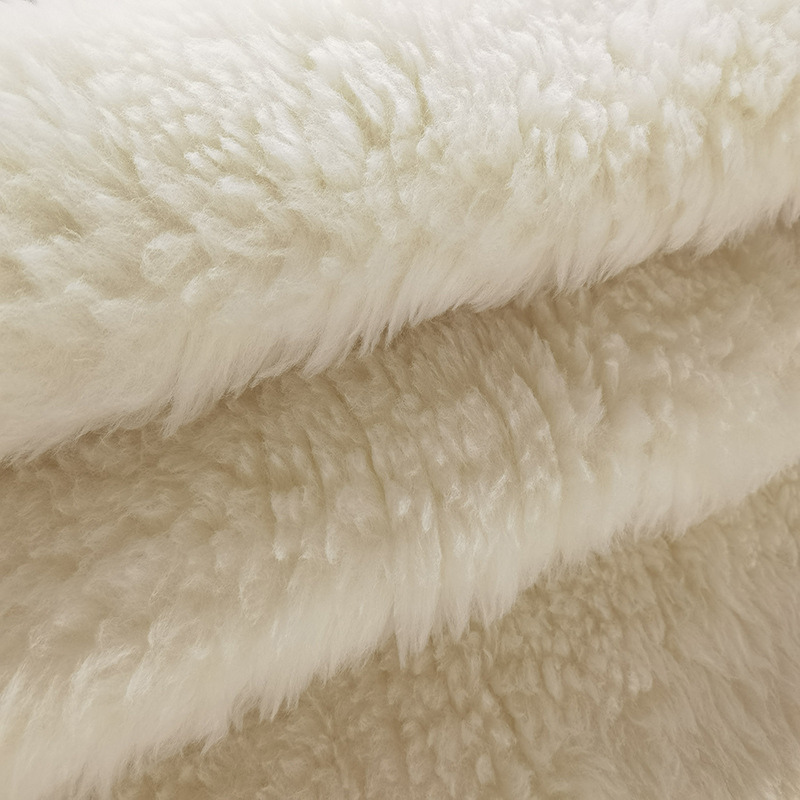
Wool fibers possess a naturally complex internal structure. Each fiber contains microscopic air pockets and a crimped shape that helps trap heat while maintaining flexibility. When these fibers are spun and woven into heavyweight fabrics, the resulting textile gains both insulation and structural strength.
The performance of premium wool fabric comes largely from this fiber structure. Wool does not simply act as a passive layer; it regulates heat, absorbs moisture, and recovers its shape after repeated use.
In garments such as capes and heavy coats, these characteristics become especially valuable. A garment that must retain its silhouette while remaining comfortable requires a fabric that balances density and elasticity. Premium wool achieves this balance without becoming overly rigid.
Manufacturers producing winter garments often prioritize wool fabrics with higher fiber quality and carefully controlled spinning processes. These methods ensure that the fabric maintains consistent thickness and durability across large garment panels.
Why Heavyweight Clothing Requires High-Quality Wool
Heavyweight clothing is designed to protect from colder temperatures while maintaining a strong garment structure. Fabrics used in these garments must support multiple layers, maintain shape during movement, and resist wear from repeated use.
Premium wool fabric supports these needs because of several important material characteristics:
-
Thermal Insulation Efficiency
Wool fibers trap warm air within their natural crimp structure. This trapped air forms an insulating barrier that helps retain body heat. For coats and capes worn outdoors, this feature significantly improves warmth without requiring excessive garment thickness. -
Natural Elasticity and Shape Recovery
Wool fibers can stretch and return to their original shape. This elasticity helps garments maintain structure over time, preventing sagging or distortion around shoulders and seams. -
Moisture Regulation
Wool can absorb moisture vapor while still feeling dry to the touch. This property helps regulate body temperature and prevents the damp feeling that can occur with synthetic fabrics. -
Long-Term Durability
Premium wool fibers are stronger and more resilient than lower-grade wool. Fabrics made from high-quality wool resist pilling and fiber breakage, extending garment lifespan.
These characteristics explain why premium wool continues to be widely used in winter apparel, particularly in products where both warmth and structural form matter.
Fabric Weight and Density in Winter Garments
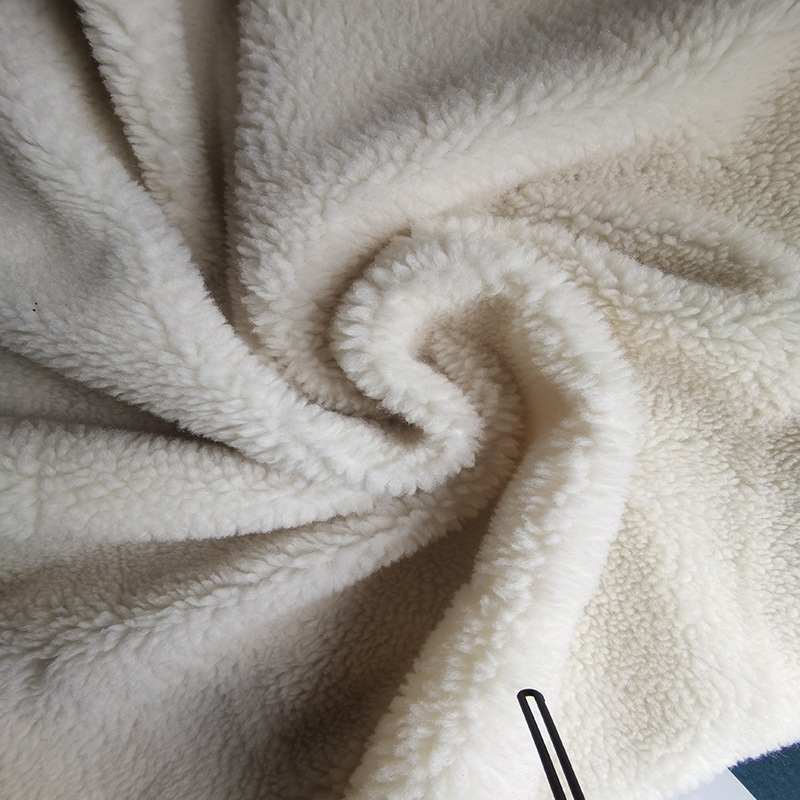
When discussing wool fabrics for heavyweight clothing, fabric weight becomes a key factor. Weight is usually measured in grams per square meter (GSM) or ounces per yard. Higher-weight fabrics typically provide greater warmth and structural support.
Heavy coats and capes often use wool fabrics ranging between 350 GSM and 700 GSM, depending on the garment design. Thicker wool fabrics offer stronger insulation, but the weaving technique and fiber quality determine how comfortable the material feels during wear.
A well-constructed premium wool fabric maintains warmth without becoming overly stiff. The balance between density and flexibility allows garments to move naturally while retaining their intended shape.
Manufacturers may also apply finishing treatments such as brushing or milling to enhance softness and surface texture. These processes improve the tactile feel of the fabric while preserving its structural strength.
Comparison Between Premium Wool and Other Winter Fabrics
Winter garments can be produced from various textile materials, including polyester blends, cotton fleece, or synthetic insulation fabrics. Each material offers certain benefits, but premium wool remains unique in its ability to combine insulation with natural breathability.
The following comparison highlights some key differences between wool and other commonly used winter fabrics.
| Fabric Type | Insulation | Breathability | Structure Stability | Durability |
|---|---|---|---|---|
| Premium Wool | Excellent | High | Strong | Long lasting |
| Polyester Fleece | Moderate | Moderate | Soft structure | Medium |
| Cotton Heavy Fabric | Moderate | High | Weaker structure | Medium |
| Synthetic Insulated Fabric | High | Low | Structured | Medium |
Premium wool performs particularly well when a garment must maintain form while providing reliable warmth.
Why Capes Benefit From Premium Wool Fabric
Capes represent one of the oldest garment designs in human clothing history. Unlike fitted coats, capes rely heavily on fabric weight and drape to create their silhouette. The material must fall naturally while protecting from wind and cold.
Premium wool fabric works exceptionally well for capes because it provides both movement and structure. When properly woven, wool creates a smooth drape that flows naturally while maintaining sufficient weight to prevent excessive fluttering in the wind.
Designers often select wool fabrics for capes because they allow for dramatic silhouettes without sacrificing comfort. A wool cape can remain warm while still feeling breathable during extended wear.
Additionally, wool fibers resist wrinkles, helping garments maintain a polished appearance even after repeated use.
Textile Manufacturing Considerations for Premium Wool Fabric
Producing high-quality wool fabric requires careful attention to several stages of textile manufacturing. Each stage influences the final performance of the material used in garments.
The production process typically includes the following key elements:
-
Fiber Selection
Premium wool fabrics often begin with carefully selected wool fibers. Finer fibers produce softer fabrics, while slightly thicker fibers contribute to a stronger structure. -
Spinning Quality
High-quality spinning ensures that yarns remain uniform in thickness. Consistent yarns improve the overall durability and appearance of the finished textile. -
Weaving Density
Tightly woven fabrics provide greater wind resistance and structural stability. Looser weaves may improve softness but can reduce insulation performance. -
Finishing Techniques
Processes such as fulling, brushing, or steaming enhance texture and appearance while improving comfort.
These manufacturing decisions determine whether a wool fabric is suitable for lightweight garments or heavier winter clothing.
Durability and Long-Term Performance
Winter garments are often worn repeatedly throughout cold seasons, making durability an important consideration. Premium wool fabric offers strong resistance to abrasion and mechanical stress.
Unlike many synthetic fibers that may lose structure over time, wool fibers maintain elasticity and resilience. This allows garments to retain their shape even after years of use.
Proper fabric construction also helps reduce pilling, which can affect lower-grade wool fabrics. Premium wool fibers are typically longer and stronger, reducing fiber breakage during wear.
For consumers, this durability translates into clothing that lasts multiple seasons without significant deterioration.
Thermal Comfort and Climate Adaptability
One of wool’s most remarkable characteristics is its ability to regulate temperature. Wool fibers respond to changes in humidity and body heat, helping garments maintain comfort across varying environmental conditions.
This adaptability makes wool garments suitable for a wide range of climates. A wool coat can remain comfortable during outdoor winter temperatures while still preventing overheating indoors.
The natural breathability of wool also reduces condensation buildup within garments, improving overall wearability during extended use.
Aesthetic Qualities of Premium Wool Fabrics
Beyond performance, premium wool fabrics also provide visual depth and texture that contribute to garment design. Wool surfaces often display subtle variations in fiber reflection, giving fabrics a rich appearance that synthetic materials may struggle to replicate.
Designers appreciate wool fabrics for their ability to hold structure while maintaining a soft surface finish. This balance allows garments to appear refined while still feeling comfortable.
Premium wool fabrics also accept dye effectively, producing deep and consistent colors suitable for winter fashion collections.
Sustainability Considerations
As sustainability becomes increasingly important in textile manufacturing, wool continues to gain attention as a renewable fiber source. Wool fibers originate from sheep and can be produced annually through responsible farming practices.
Unlike many petroleum-based synthetic fibers, wool is biodegradable and can naturally decompose at the end of its lifecycle. This reduces long-term environmental impact compared with synthetic textile waste.
Many wool producers also focus on improving animal welfare standards and sustainable land management, contributing to responsible fiber production.
For brands seeking environmentally responsible materials, premium wool fabric offers both performance and sustainability advantages.
The Continued Relevance of Wool in Modern Fashion
Although textile technology continues to evolve, wool remains one of the most reliable materials for winter clothing. Its combination of warmth, durability, and natural comfort makes it particularly suitable for heavyweight garments such as coats and capes.
Premium wool fabric represents the highest quality level within this category. Through careful fiber selection and advanced textile manufacturing techniques, wool fabrics can deliver superior performance while maintaining a refined aesthetic.
For designers, clothing brands, and textile manufacturers, selecting the right fabric is essential for creating garments that perform well and remain attractive over time. Premium wool continues to prove its value in these applications.
Heavyweight clothing demands materials that support structure, warmth, and durability. In this environment, premium wool fabric remains one of the most dependable textile choices available.