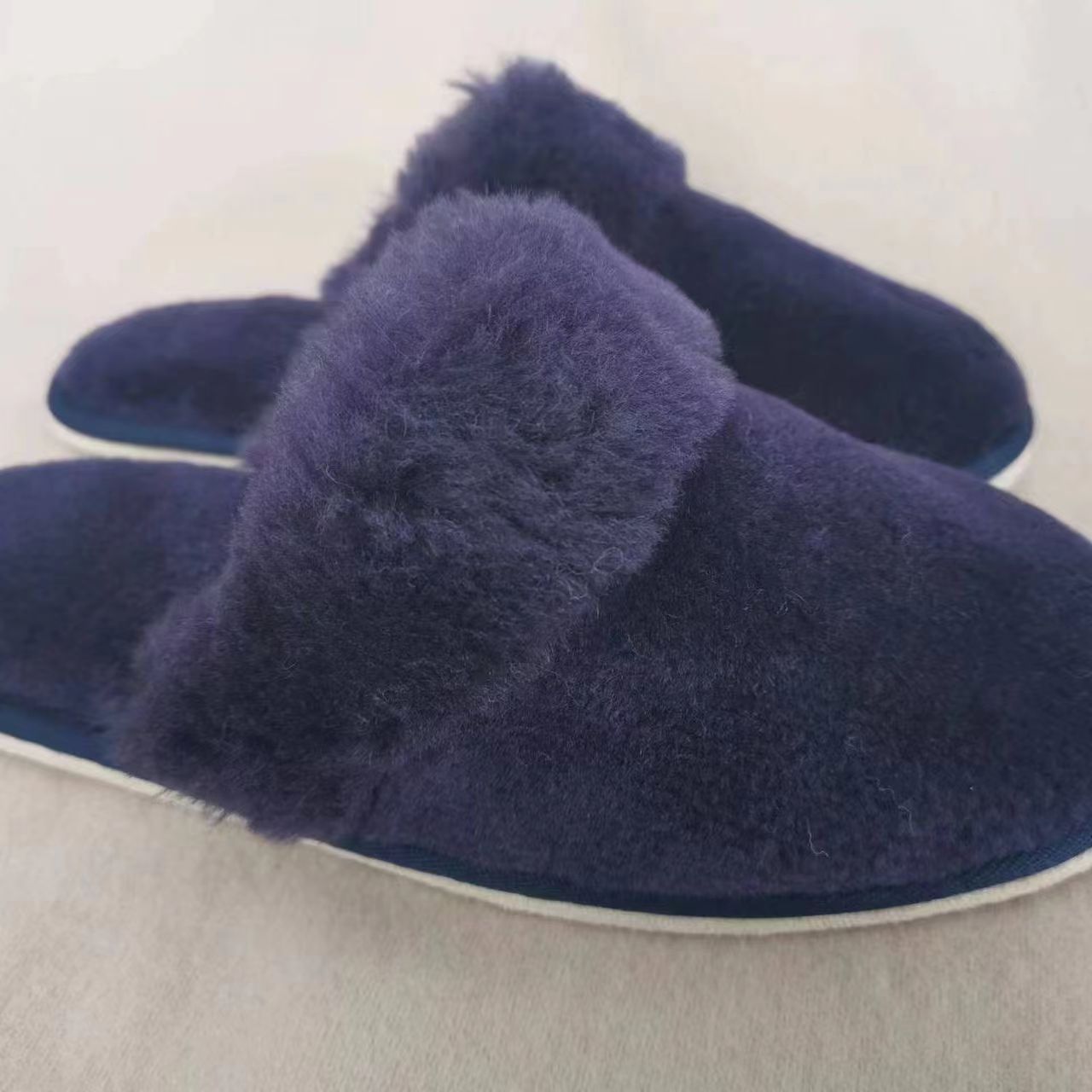
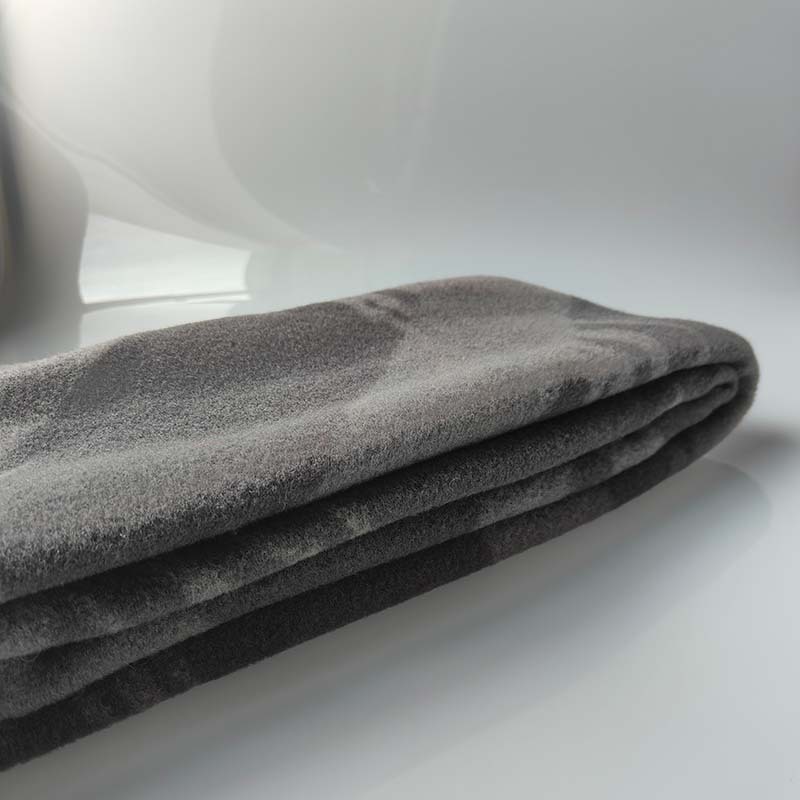
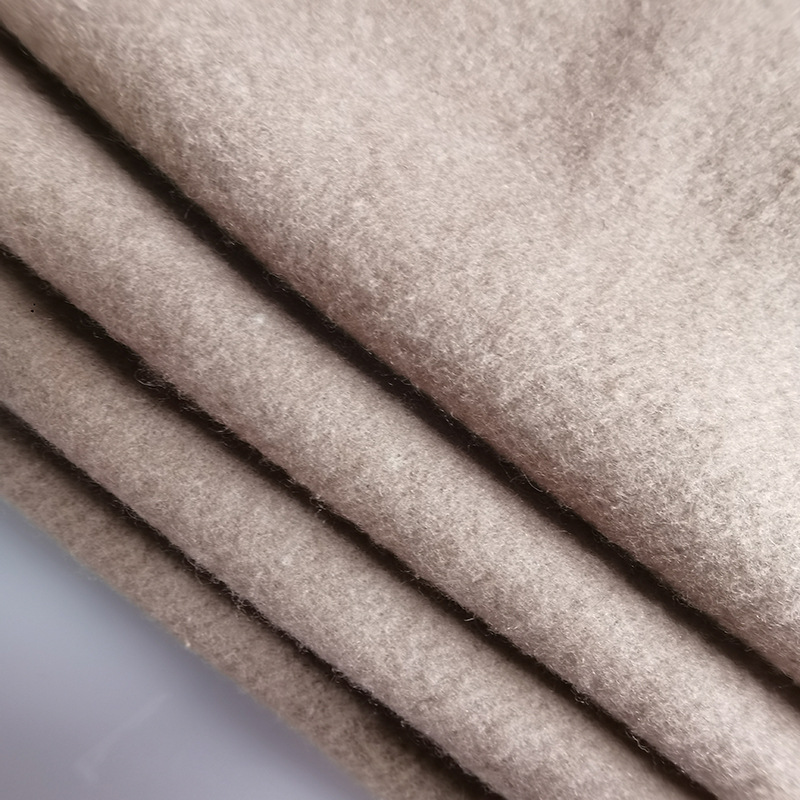
Shawl blankets have become a staple in both home comfort and fashion, blending functionality with style. These versatile textiles serve as wearable blankets, cozy wraps, or even decorative accessories. As global demand for personalized and premium home textiles rises, customizing shawl blankets for your brand or retail business has become a highly strategic move. Doing so allows businesses to stand out in competitive markets, deliver unique products to their customers, and leverage the growing trend of eco-conscious, high-quality fabrics.
What Are Shawl Blankets and Why Are They Popular?
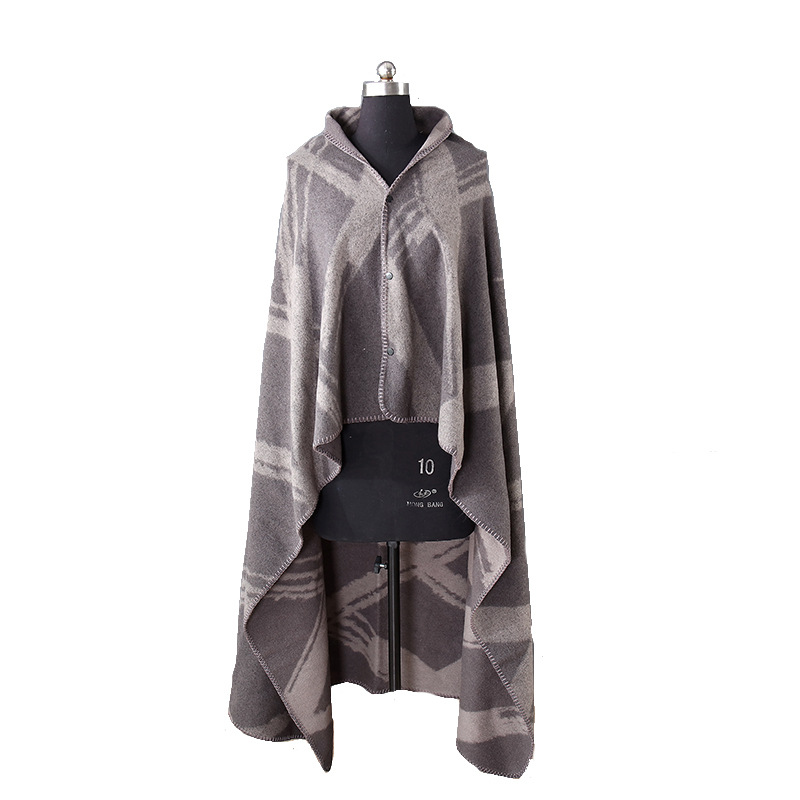
A shawl blanket is a hybrid textile product that combines the warmth and softness of a traditional blanket with the portability and style of a shawl. Unlike standard blankets, shawl blankets are often wearable and designed to drape elegantly over the shoulders or body. They are used in multiple contexts, including:
-
Home Comfort: Perfect for living rooms, bedrooms, and cozy nooks.
-
Travel: Lightweight and portable, suitable for flights, road trips, or outdoor excursions.
-
Gifts and Promotions: Customizable designs make them ideal for corporate gifting or seasonal campaigns.
-
Fashion Accessories: Can complement outfits as stylish wraps or scarves.
The popularity of shawl blankets is growing due to their versatility. Consumers seek products that combine functionality, comfort, and aesthetic appeal. Brands looking to differentiate themselves in competitive retail or B2B spaces can benefit greatly from offering customizable shawl blankets.
Benefits of Customizing Shawl Blankets for Your Brand
Customizing shawl blankets offers multiple advantages for brands and retailers:
-
Enhances Brand Recognition: Adding logos, patterns, or signature colors reinforces brand identity and creates memorable products.
-
Differentiates Products: Customized blankets stand out from generic items, helping attract discerning consumers.
-
Boosts Customer Loyalty: Unique, brand-specific products foster stronger customer connections.
-
Supports Seasonal or Promotional Campaigns: Tailored designs can align with holidays, marketing campaigns, or corporate events.
-
Allows Flexibility in Retail or Wholesale: Customization can accommodate both small-batch exclusive items and large-volume orders.
By offering tailored designs, companies create products that resonate with their target audience while enhancing perceived value.
Key Factors to Consider Before Customizing
Material Selection
Selecting the right material is foundational to both product quality and customer satisfaction. Common fabrics for shawl blankets include:
-
Coral Fleece: Soft, lightweight, and highly absorbent. Ideal for casual, cozy blankets.
-
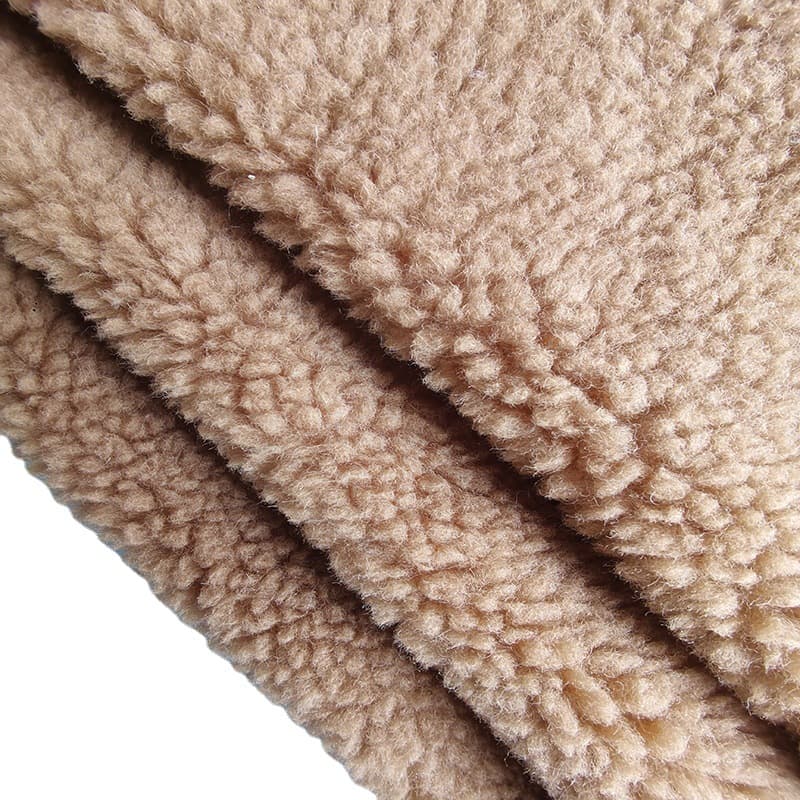
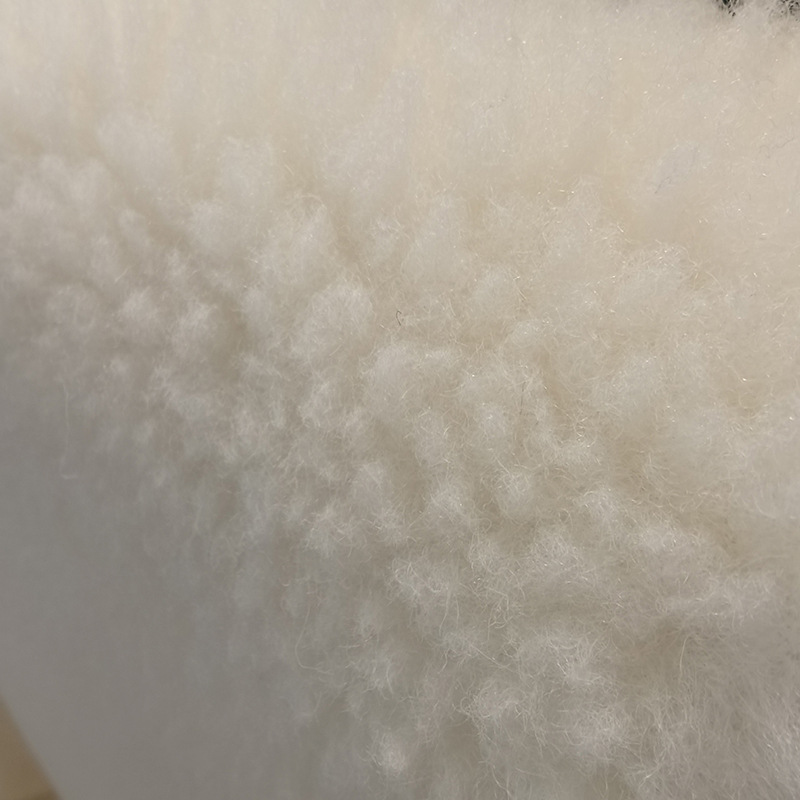
Sherpa Fleece: Offers a textured, wool-like feel, suitable for warmth and premium aesthetics.
-
Minky Fabric: Ultra-plush and silky to the touch, often used in baby blankets or luxury items.
-
Wool Blends: Provide insulation and durability, appealing to colder climates.
Brands may also consider eco-friendly or recycled fabrics to meet growing sustainability expectations.
Size and Shape Options
Shawl blankets come in a variety of sizes and shapes to meet different functional needs:
-
Standard Sizes: Common dimensions for general use include 50” x 60” or 60” x 80”.
-
Custom Dimensions: Retailers or brands can request specific sizes to match target audiences or unique packaging requirements.
-
Shape Variations: Rectangular, square, or elongated wraps. Wearable shawl blankets often feature tapered ends or rounded edges for draping comfort.
Considering size and shape early in the design process ensures that the product meets both functional and aesthetic expectations.
Color and Pattern Customization
Color and pattern play a critical role in branding and consumer appeal:
-
Custom Color Matching: Use Pantone or brand-specific color codes to maintain consistency across production batches.
-
Patterns: Options include printed graphics, embroidered designs, woven textures, or jacquard patterns.
-
Logo Placement: Integrate logos discreetly or prominently based on design strategy.
Special patterns, such as seasonal prints, themed graphics, or corporate branding, can increase market relevance and appeal.
Finishing and Functional Details
Finishing touches enhance both usability and aesthetic value:
-
Edges and Borders: Options include stitched hems, tassels, or piping.
-
Fabric Thickness: Adjust based on intended warmth and seasonal use.
-
Functional Enhancements: Anti-pilling treatment, water-resistant coatings, or UV protection.
These details contribute to the overall quality perception and product longevity.
Choosing the Right Manufacturer for Custom Shawl Blankets
Selecting the right manufacturing partner is critical to delivering consistent, high-quality products. Key factors to consider include:
-
Factory Direct Supply: Partnering with a direct factory can reduce costs and improve communication.
-
OEM / ODM Capabilities: Manufacturers should support both product design collaboration and full-service customization.
-
Production Capacity and Minimum Order Quantity (MOQ): Evaluate whether the supplier can handle your desired volume, whether small-batch or bulk orders.
-
Lead Times: Reliable suppliers provide accurate production schedules and adhere to shipping deadlines.
-
International Certifications: ISO, OEKO-TEX, BSCI, and GRS certifications ensure product safety, quality, and sustainability.
-
Sustainable Production Practices: Factories that implement eco-friendly dyeing, waterless processing, or recycled materials align with modern consumer and market expectations.
The right supplier balances quality, flexibility, compliance, and production efficiency.
The Customization Process Step by Step
Creating a custom shawl blanket involves several structured stages:
-
Design Requirement Confirmation: Define size, color, pattern, logo placement, and functional specifications.
-
Material Selection: Choose fabrics based on comfort, durability, and application context.
-
Sample Production: Develop prototypes or samples to verify material, color accuracy, and design details.
-
Bulk Production: Scale up once samples are approved, ensuring consistent quality across all units.
-
Quality Control: Inspect products for defects, color accuracy, stitching, and finishing.
-
Packaging and Delivery: Options include retail-ready packaging, bulk shipments, or customized branding for e-commerce.
Following a clear step-by-step process ensures efficiency, minimizes errors, and maintains brand integrity.
Applications and Market Opportunities for Custom Shawl Blankets
Shawl blankets serve multiple markets:
-
Retail Market: Available in physical stores, online marketplaces, or subscription boxes.
-
Corporate Gifting and Promotional Market: Custom blankets are popular for giveaways, incentives, or seasonal promotions.
-
Hospitality and Travel Industry: Hotels, resorts, and airlines often provide branded blankets for guest comfort.
-
Brand Collaborations and Limited Editions: Joint ventures with lifestyle brands or designers can leverage customized designs for exclusive releases.
Each application presents opportunities for value-added differentiation and revenue growth.
How Sustainability and Eco-Friendly Practices Add Value
Eco-conscious production is increasingly essential in global textiles:
-
Waterless Dyeing Technology: Reduces water usage and environmental impact.
-
Recycled or Sustainable Fibers: GRS-certified materials attract environmentally aware buyers.
-
Energy Efficiency and Waste Reduction: Automated production systems reduce both energy consumption and material waste.
Brands that highlight sustainable practices enhance customer trust, attract premium buyers, and support global ESG initiatives.
Pricing, MOQ, and Lead Time Considerations
Several factors influence pricing and production timelines:
-
Fabric Type and Quality: Premium fleece, plush, or recycled materials can increase costs.
-
Design Complexity: Embroidery, printed patterns, or multi-color designs may require additional setup.
-
Order Volume: Larger quantities reduce unit cost through economies of scale.
-
Production Lead Time: Typical timelines vary from 2 to 6 weeks, depending on customization complexity.
-
Packaging Choices: Retail-ready packaging, gift boxes, or eco-friendly options may affect overall pricing.
Evaluating these elements helps brands balance quality, cost, and time-to-market requirements.
Final Tips for a Successful Custom Shawl Blanket Project
-
Clarify Brand Positioning: Identify your target audience and desired brand image.
-
Select Experienced Manufacturers: Prioritize factories with proven technical and design expertise.
-
Communicate Clearly on Samples: Ensure colors, patterns, and materials are accurately represented.
-
Plan Long-Term Partnerships: Establish strong supplier relationships for future collaborations and consistent quality.
-
Leverage Sustainability as a Selling Point: Highlight eco-friendly materials and processes to attract conscientious consumers.
By combining strategic planning, quality materials, and reliable manufacturing, brands can create custom shawl blankets that resonate in competitive retail or B2B markets.
Customizable shawl blankets offer significant opportunities for brands and retailers seeking to deliver distinctive, high-quality products. From material selection to design, production, and sustainability, every step influences the final product’s appeal, functionality, and market success. By partnering with experienced manufacturers and following structured customization processes, businesses can produce shawl blankets that not only meet consumer expectations but also enhance brand identity and market competitiveness.
With the increasing global demand for personalized home textiles, customizable shawl blankets provide a unique avenue to differentiate your brand, expand product offerings, and align with sustainable, eco-conscious trends in the industry.