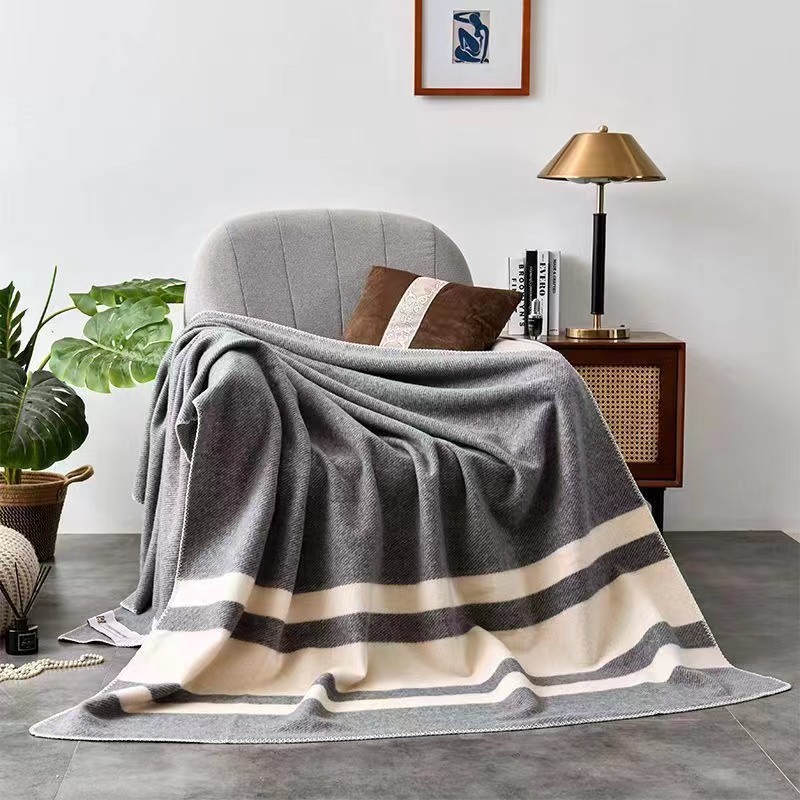
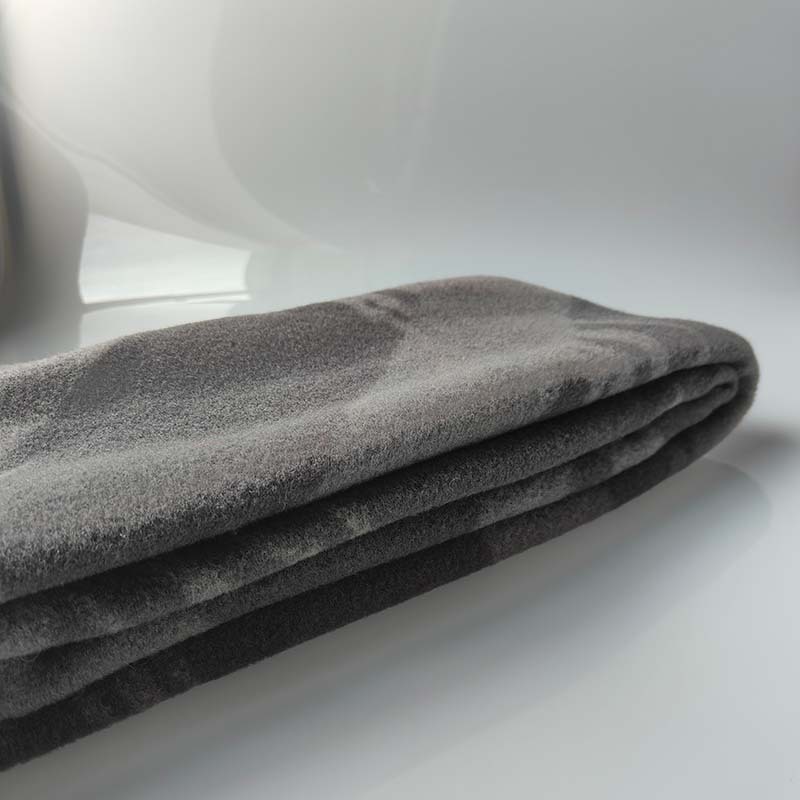
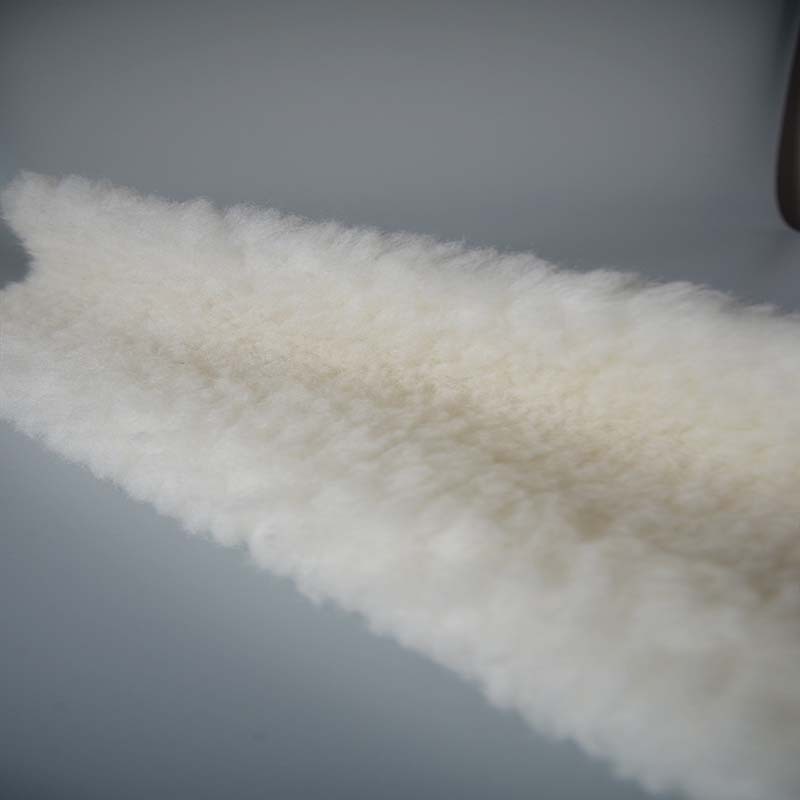
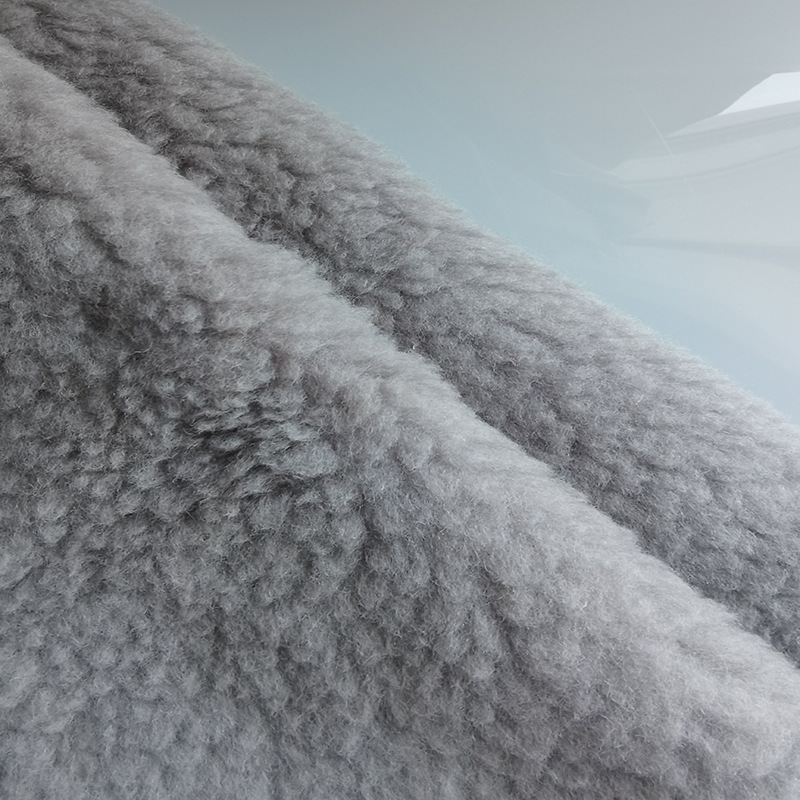
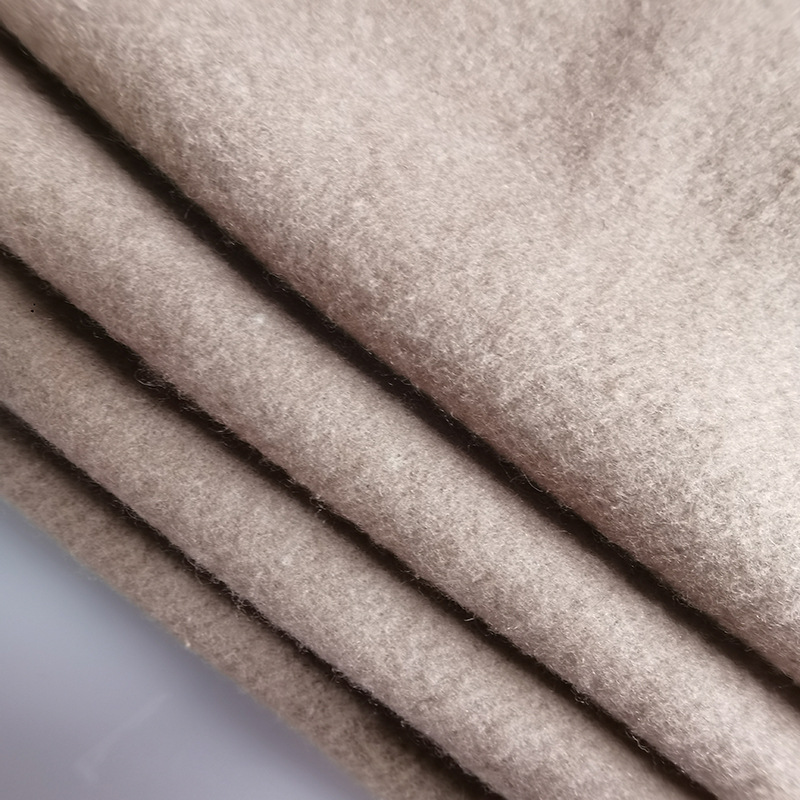
This pillar article examines Hongyang’s shearling-style short-pile wool fabric, analyzing its technical specifications, manufacturing standards, and commercial applications in Korean-inspired fashion production. Targeted at B2B buyers, including garment manufacturers, fashion brands, and textile distributors, this guide provides actionable insights for sourcing decisions in the premium women’s outerwear segment. Through comparative analysis of material performance, compliance certifications, and supply chain integration, we establish benchmarks for evaluating wool fabric suppliers in the competitive fashion textile market. The investigation focuses on quantifiable parameters, including pile density, thermal retention, and cost-efficiency metrics relevant to mid-to-high-end fashion production.
What Is Shearling-Style Short Pile Wool Fabric?
Material Composition and Structure
Shearling-style short-pile wool fabric replicates the aesthetic and functional properties of genuine shearling through engineered textile construction. Hongyang’s formulation typically comprises 60-80% wool fiber blended with 20-40% polyester or acrylic synthetics, optimizing both natural warmth and dimensional stability. The pile height specification for short pile classification ranges between 3-8mm, creating the characteristic plush surface texture associated with Korean fashion aesthetics.
The backing material employs woven polyester or cotton-blend substrates, providing structural integrity during garment construction. This three-layer architecture—pile surface, adhesive bonding layer, and woven backing—delivers superior drape characteristics compared to knitted alternatives. The fiber density in premium grades reaches 800-1200g/m², ensuring adequate coverage and minimizing backing show-through in finished garments.
Unlike traditional shearling (sheepskin with wool intact), this engineered fabric eliminates variability in natural hides. Manufacturers benefit from consistent width availability (typically 145-150cm), predictable shrinkage rates (<3% after washing), and uniform color absorption during dyeing processes. The synthetic component enhances crease recovery and reduces pilling tendency, addressing common concerns in high-turnover fashion production.
Manufacturing Process Overview
Production begins with precision carding of wool fibers, aligning staple lengths for uniform pile distribution. The blend ratio is calibrated based on target performance: higher wool content (70-80%) prioritizes thermal insulation, while increased synthetic ratios enhance washability and reduce production costs.
Knitting or weaving creates the base fabric, followed by electrostatic flocking or tufting to implant pile fibers. Hongyang employs rotary shearing technology to achieve precise pile heights, with tolerances maintained within ±0.5mm across production runs. This mechanical shearing replicates the shorn appearance of genuine shearling while enabling faster throughput than traditional fur processing.
Finishing treatments critical for Korean fashion applications include:
- Anti-pilling silicone coating: Reduces fiber migration during wear
- Steam setting: Stabilizes pile orientation and enhances loft
- Brushing cycles: Creates the signature soft hand-feel demanded in luxury outerwear
- Colorfast treatments: Ensure Pantone matching accuracy for brand collections
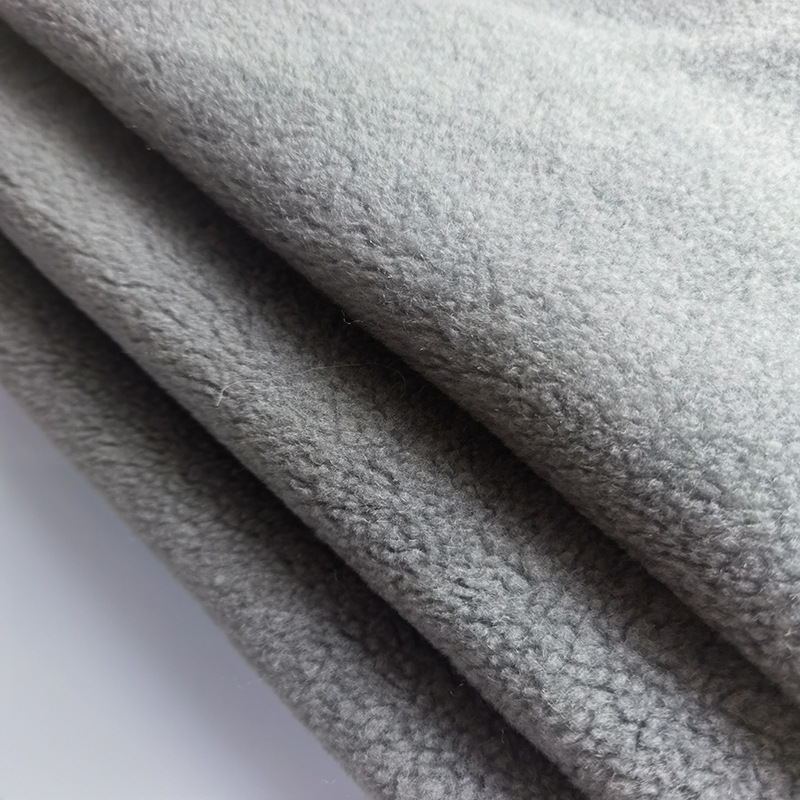
Quality control checkpoints monitor pile retention strength (≥25N per ISO 4674), backing adhesion (no delamination after 50 wash cycles), and dimensional stability under thermal stress testing.
Technical Specifications and Quality Standards
Key Performance Parameters
Hongyang’s shearling-style fabric demonstrates measurable performance advantages in parameters critical to outerwear applications. Pile density specifications range from 850-1100g/m² for standard grades, with premium lines reaching 1200g/m² for luxury positioning. This density directly correlates with thermal insulation efficiency, measured at CLO values of 1.8-2.2 (comparable to mid-weight wool coatings).
Fabric weight typically falls between 450-650 GSM (grams per square meter), balancing warmth with garment drape. Lighter constructions (450-500 GSM) suit layering pieces and transitional outerwear, while heavier grades (600-650 GSM) target statement coats requiring structure. The wool content percentage significantly impacts both thermal performance and price positioning:
[Table: Parameter Comparison – Hongyang vs. Industry Standards]
| Parameter | Hongyang Fabric | Industry Standard | Premium Benchmark |
|---|---|---|---|
| Pile Height | 5-7mm | 4-8mm | 6-9mm |
| GSM | 500-620 | 450-700 | 580-750 |
| Wool Content | 65-75% | 50-80% | 70-90% |
| Abrasion Resistance | 40,000+ cycles | 25,000-50,000 | 45,000+ cycles |
| Price Range (per meter) | $8.50-$12.00 | $6.00-$15.00 | $11.00-$18.00 |
Abrasion resistance testing via Martindale methodology shows Hongyang fabric withstands 40,000-50,000 cycles before visible wear, exceeding the 25,000-cycle threshold for commercial garment standards. This durability translates to extended garment lifespan, a key consideration for brands emphasizing sustainability narratives.
Thermal insulation values measured via ASTM D1518 demonstrate 15-20% superior heat retention compared to synthetic fleece alternatives of equivalent weight. This performance advantage justifies premium pricing in markets where natural fiber content drives consumer preference.
Compliance Certifications
Hongyang maintains OEKO-TEX Standard 100 certification (Product Class II), confirming the absence of harmful substances in textiles with direct skin contact. This certification addresses regulatory requirements in the EU and North American markets, where textile chemical restrictions continue to tighten. Testing protocols verify limits for:
- Formaldehyde content (<75 ppm)
- Heavy metals (lead, cadmium, below detection thresholds)
- Prohibited azo dyes (none detected)
- Phthalate plasticizers (<0.1% total)
ISO 3071 colorfastness testing confirms Grade 4-5 performance (minimal color transfer), essential for mixed-fabric garment construction common in Korean fashion designs. Flammability testing per 16 CFR 1610 (US standard) classifies the fabric as Class 1 (normal flammability), meeting requirements for general apparel without flame-retardant treatments that may compromise hand-feel.
Additional certifications include ISO 105-X12 for resistance to rubbing and ISO 5077 for dimensional change testing, providing documented evidence for quality assurance protocols demanded by international fashion brands.
Application Scenarios in Fashion Production
Korean-Style Shawl Coats and Outerwear
The material’s 5-7mm pile height delivers the visual softness central to Korean fashion’s “effortless luxury” aesthetic, particularly in oversized shawl collar coats and cocoon silhouettes popular in Seoul’s Dongdaemun fashion district. The fabric’s natural drape—measured at 7-9cm cantilever stiffness—enables the relaxed, unstructured shapes that define contemporary Korean outerwear design.
Seasonal versatility positions this fabric across multiple collection cycles. Autumn/winter applications leverage thermal properties for primary outerwear, while spring collections utilize lighter-weight constructions (450-500 GSM) for layering pieces. The texture contrast between pile surface and smooth linings creates visual interest in reversible designs, a trending category in Korean ready-to-wear.
Target consumer demographics span:
- Age 25-40 professional women: Seeking investment pieces with 3-5 year wearability
- Fashion-forward segments: Prioritizing tactile luxury and Instagram-worthy texture
- Sustainability-conscious buyers: Valuing natural fiber content and durability over fast-fashion alternatives
Color palette compatibility extends beyond neutral tones. Hongyang’s dyeing process accommodates saturated jewel tones (emerald, burgundy, navy) increasingly prevalent in Korean fashion, while maintaining the pile’s dimensional appearance through light-reflective properties.
Sourcing Considerations for Manufacturers
Minimum order quantities (MOQ) for Hongyang’s shearling-style fabric typically start at 500 meters per color/specification, though established accounts may negotiate 300-meter minimums for test collections. This threshold balances production efficiency with accessibility for emerging fashion brands scaling beyond sample-stage development.
Lead times vary by customization complexity:
- Stock colors/specifications: 15-25 days from order confirmation
- Custom color matching: 30-40 days (includes lab-dip approval cycles)
- Modified pile height/density: 40-50 days (requires equipment adjustments)
Customization options address diverse design requirements:
- Color development: Pantone matching with ±ΔE 1.5 tolerance
- Pile height variations: 4mm (subtle texture) to 9mm (pronounced luxury)
- Backing weight adjustments: Lighter substrates for draped garments, heavier for structured coats
- Width customization: Standard 145cm or expanded 150cm for pattern efficiency
Quality control protocols include pre-shipment inspections covering pile uniformity (random 10-point checks per roll), color consistency verification under D65 lighting, and dimensional measurement at 3 points per 50-meter roll. Manufacturers should specify acceptance criteria for pile density variation (typically ±5% tolerance) and backing adhesion strength in purchase agreements.
Commercial Value Analysis
Cost-Benefit Comparison
At $8.50-$12.00 per meter, Hongyang’s shearling-style fabric positions between synthetic fleece alternatives ($4.00-$7.00) and genuine shearling ($25.00-$60.00), occupying the strategic mid-premium segment. The 30-40% price premium over synthetics correlates with measurable performance advantages:
- Longevity multiplier: 2-3x garment lifespan based on abrasion testing
- Thermal efficiency: 18% better insulation per unit weight vs. polyester fleece
- Brand perception value: Natural fiber content commands 25-35% retail price premiums in consumer studies
For a typical woman’s coat requiring 2.5 meters of fabric, the material costs break down:
- Synthetic fleece: $10.00-$17.50 (fabric only)
- Hongyang wool blend: $21.25-$30.00 (fabric only)
- Genuine shearling: $62.50-$150.00 (fabric only)
When factoring construction labor, lining, and hardware, the Hongyang option adds $11-13 to total production cost compared to synthetics—a margin easily absorbed in retail prices above $150, where natural fiber content becomes a key purchase driver.
Longevity advantages translate to reduced return rates for quality issues. Field data from Korean fashion brands indicates 40% fewer customer complaints regarding pilling and texture degradation with wool-blend fabrics versus synthetic alternatives in the 12-month post-purchase window.
Supply Chain Integration
Hongyang’s logistics infrastructure supports containerized shipping with standard 40ft containers accommodating approximately 8,000-10,000 meters of rolled fabric (depending on GSM). For European buyers, lead times from Chinese manufacturing hubs average 35-45 days via sea freight, with air freight options reducing transit to 7-10 days at 4-5x cost premiums.
Quality control checkpoints recommended for bulk orders include:
- Pre-production approval: Lab dips, strike-offs, and 2-meter sample lengths
- In-line inspection: Third-party verification during production runs >2,000 meters
- Pre-shipment final inspection: Random sampling of 10% of rolls, testing pile retention, and dimensional accuracy
Partnership models with Hongyang range from transactional spot-buying to strategic supply agreements. Volume commitments exceeding 10,000 meters annually unlock benefits, including:
- Price reductions: 8-12% off standard rates
- Priority production slots: Guaranteed lead times during peak seasons (August-October)
- Dedicated color libraries: Pre-approved shade ranges, reducing development cycles
- Consignment inventory: Stock-holding arrangements for rapid reorder fulfillment
Integration with existing supply chains requires coordination with garment CMT (cut-make-trim) facilities experienced in pile fabric handling. The material’s directional pile necessitates pattern layout considerations, typically reducing cutting efficiency by 5-8% compared to non-directional fabrics—a factor to incorporate in costing models.
FAQ
What is the minimum order quantity for Hongyang’s shearling-style wool fabric?
Standard MOQ is 500 meters per specification (color/pile height/GSM combination). Established accounts with proven order history may negotiate reduced minimums of 300 meters for seasonal test collections. For custom color development requiring lab-dip processes, MOQs typically increase to 800-1,000 meters to justify dye lot setup costs. Buyers seeking smaller quantities should consider stock color offerings, which maintain lower thresholds due to continuous production runs.
How does short-pile wool fabric differ from traditional shearling in maintenance requirements?
Short-pile wool blends offer significantly simplified care compared to genuine shearling. Machine washing on gentle cycles (30°C maximum) is permissible for most Hongyang formulations, whereas shearling requires professional leather cleaning. The synthetic component in the blend enhances dimensional stability, reducing shrinkage risk from 8-12% (pure wool) to <3%. Drying times are 40-50% faster than shearling due to the fabric’s engineered structure preventing water retention in the hide layer. However, tumble drying should be avoided to preserve pile integrity—air drying maintains optimal texture over the garment’s lifespan.
Can this fabric be customized for specific Pantone color matching in fashion collections?
Yes, Hongyang provides Pantone matching services with ±ΔE 1.5 tolerance under D65 standard lighting conditions. The customization process requires:
- Pantone TPX/TCX reference submission
- Lab-dip development (2-3 iterations typical, 10-15 days)
- Strike-off approval on 2-meter sample lengths
- Minimum order commitment of 800-1,000 meters for custom colors
Limitations exist for extremely light shades (Pantone 11-series) due to the wool fiber’s natural off-white base, which may require bleaching pre-treatments, adding 15-20% to costs. Neon and fluorescent colors are not achievable with natural fiber blends, requiring synthetic-only constructions.
Hongyang’s shearling-style short-pile wool fabric represents a commercially viable solution for fashion brands targeting the Korean-inspired outerwear market. By balancing technical performance with aesthetic appeal, this material addresses key procurement criteria, including quality consistency, regulatory compliance, and competitive pricing structures. The fabric’s measurable advantages—40,000+ Martindale cycles, OEKO-TEX certification, and 18% thermal efficiency gains over synthetics—justify its mid-premium positioning for brands emphasizing durability and natural fiber content.
Manufacturers seeking premium wool alternatives should evaluate sample testing protocols, including abrasion resistance verification and colorfast performance under brand-specific care label requirements. Strategic supplier partnerships with Hongyang unlock volume pricing advantages and production priority during peak fashion cycles, while customization capabilities support differentiated collection development. The 500-meter MOQ threshold makes this fabric accessible to emerging brands scaling beyond incubation stages, while established players benefit from consignment inventory models, reducing working capital requirements.
Optimal sourcing decisions balance material costs ($8.50-$12.00/meter) against longevity multipliers and brand positioning premiums, with total garment cost impacts of $11-13 over synthetic alternatives—margins easily absorbed in retail prices exceeding $150 where natural fiber narratives drive purchase decisions.