Introduction
If you’re still wrestling with mattress pads that stain permanently, trap heat like a radiator, or shed microplastics into your bedroom air, it’s time to look at a better option. Washable wool fabric for mattresses delivers the trifecta modern sleepers demand: genuine hygiene (you can actually clean it), all-season thermal comfort (no more night sweats or shivers), and genuine sustainability (no petrochemicals). Whether you’re a parent tired of scrubbing toddler accidents, a hotel manager replacing covers every few months, or simply someone who wakes up either too hot or too cold, washable wool fabric for mattresses solves what synthetic “miracle fabrics” never could. This article breaks down exactly who needs it and why.
What Exactly Is Washable Wool Fabric for Mattresses? (And Why It’s Not Your Grandma’s Wool)
Let’s clear up a common misconception right away. The wool you remember from scratchy sweaters or dry-clean-only blankets has come a long way. Washable wool fabric for mattresses is specifically engineered to survive regular machine washing without shrinking, felting, or losing its loft.
So what makes it different? Traditional wool shrinks because the scales on wool fibers lock together when agitated in hot water. Machine washable wool undergoes a specialized treatment—often a gentle chlorine or resin process—that smooths those scales, allowing the fibers to move freely without tangling. The result? You get all of wool’s natural superpowers (temperature regulation, moisture wicking, flame resistance) plus the convenience of tossing it in the washing machine. That’s the core promise of washable wool fabric for mattresses: performance without maintenance headaches.
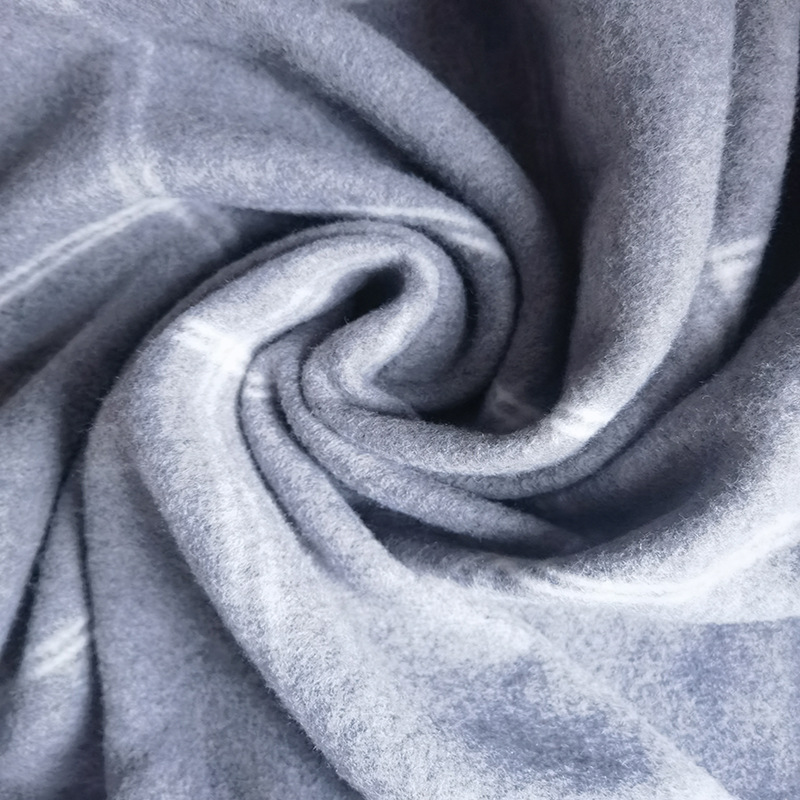
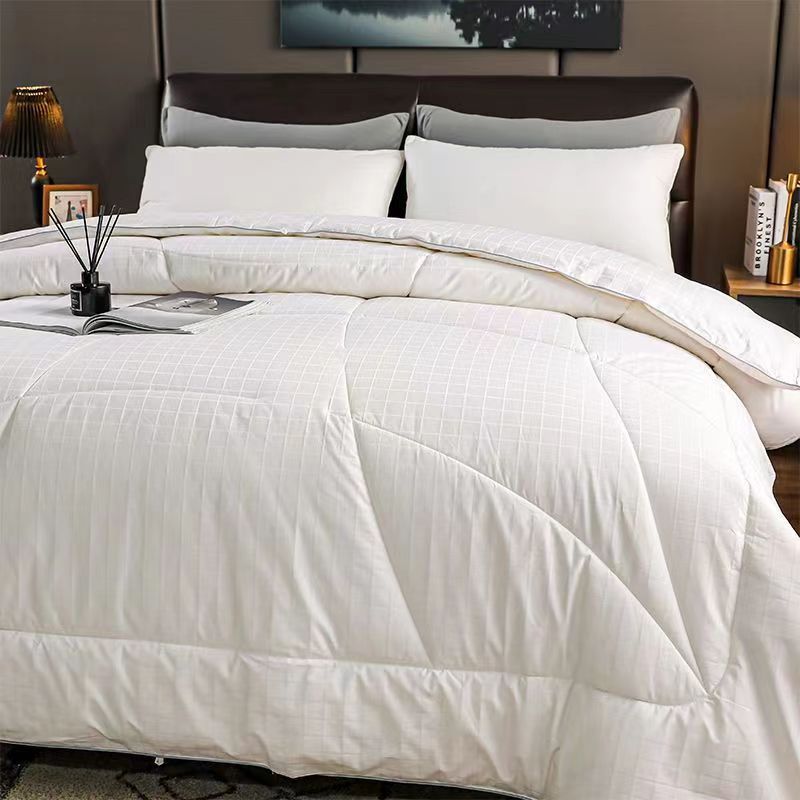
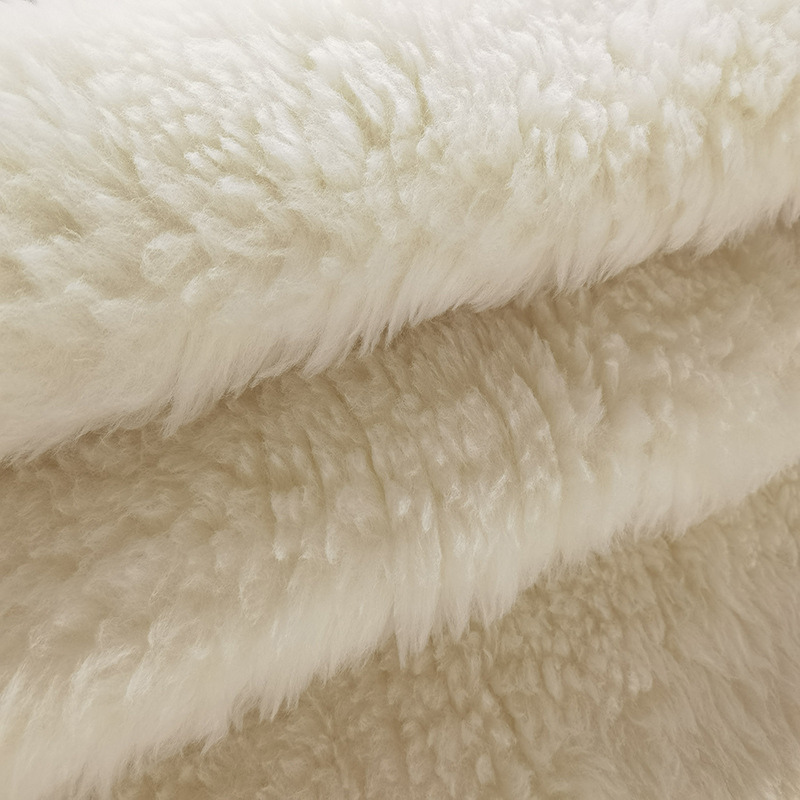
A high-quality example comes from Hongyang Woolen Products, whose Australian wool fabric is crafted specifically for mattress pads. With a pile face of 100% wool, a polyester base cloth for dimensional stability, and a weight range of 300g to 499g per square meter, this fabric is built for all-season comfort (spring, summer, autumn, and winter). The jacquard weaving technique gives it a visible texture while maintaining softness—not the scratchy stuff of decades past. For anyone evaluating washable wool fabric for mattresses, construction details like these separate premium options from disappointing knockoffs.
And here’s the kicker: unlike memory foam or polyester blends, this fabric won’t trap body heat or off-gas volatile organic compounds (VOCs). It breathes naturally, absorbs moisture, and actually gets softer with each wash. That’s why washable wool fabric for mattresses is gaining traction far beyond the eco-friendly niche.
The Science of Sleep Comfort: Temperature Regulation and Moisture Management
Here’s where wool leaves every other mattress fabric in the dust.
Your body releases about a pint of moisture every night through sweat and respiration. Polyester and other synthetics trap that moisture against your skin, creating a humid microclimate that disrupts deep sleep. Waterproof plastic-backed protectors? They’re even worse—they basically turn your bed into a sauna. Washable wool fabric for mattresses works completely differently.
Wool fibers are naturally hydrophilic on the inside (they absorb moisture vapor) but hydrophobic on the outside (they repel liquid water). This unique structure pulls sweat away from your body and disperses it into the air before it ever feels damp. That’s a massive advantage when you compare washable wool fabric for mattresses to cotton or polyester.
And then there’s the temperature regulation piece. Wool doesn’t just “insulate”—it buffers. In cold weather, the crimped fibers trap warm air close to your body. In hot weather, those same fibers release excess heat and moisture. This bidirectional regulation means you stay comfortable year-round without flipping mattresses or switching pads seasonally. No other mattress cover material—natural or synthetic—offers this dual-direction performance as reliably as washable wool fabric for mattresses.
Scientific backing: A study published in Nature and Science of Sleep found that wool bedding improved sleep onset latency (how quickly people fall asleep) and increased slow-wave sleep duration compared to synthetic alternatives. Another analysis suggests wool bedding helps people gain roughly 20% more uninterrupted sleep by stabilizing core body temperature throughout the night.
If you’re someone who wakes up at 3 a.m. drenched in sweat or curled up from cold, washable wool fabric for mattresses isn’t a luxury—it’s a solution.
Who Actually Needs Washable Wool Mattress Fabric? (Spoiler: More People Than You Think)
Washable wool fabric for mattresses isn’t a one-size-fits-all product. Different users prioritize different benefits. Here’s who gains the most.
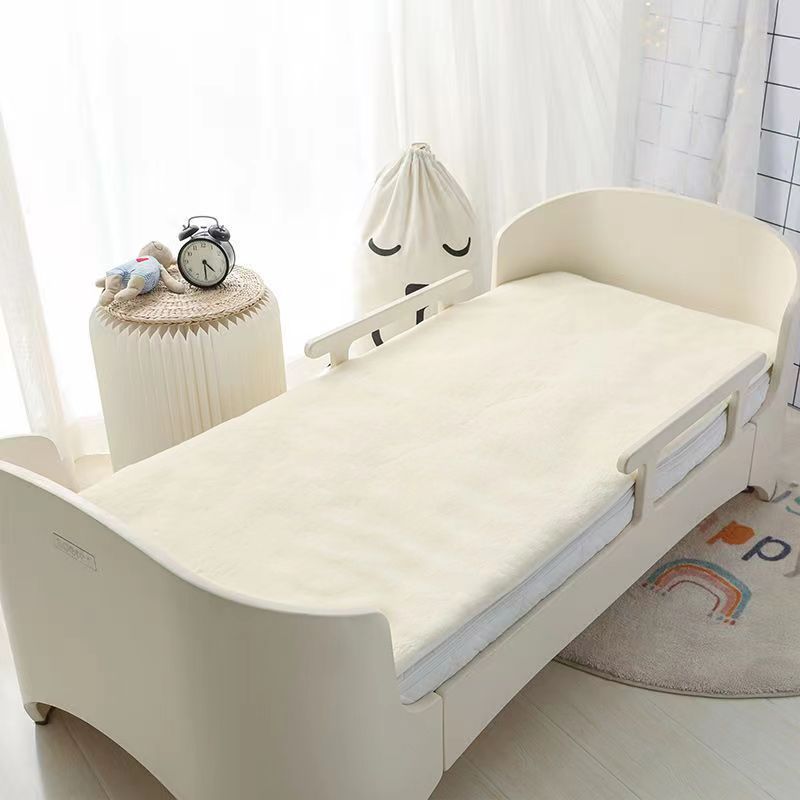
1. New Parents and Toddler Caregivers
Let’s be real: babies leak. Formula, breastmilk, diaper blowouts, spit-up—it’s a nonstop parade of organic matter ending up exactly where you don’t want it.
Standard cotton pads soak through quickly, creating a damp breeding ground for bacteria. Plastic-backed “waterproof” protectors trap heat and make babies sweaty and irritable (not to mention they crinkle noisily). Memory foam toppers are impossible to sanitize properly—urine soaks in and stays there. Washable wool fabric for mattresses solves these problems in three ways:
-
Absorbency: Wool can absorb up to 30% of its weight in moisture without feeling wet, giving you a crucial buffer before changing bedding.
-
Washability: When accidents happen, simply machine wash in cool water on a gentle cycle. No special cleaners, no dry-cleaning bills.
-
Breathability: Babies can’t regulate their body temperature as effectively as adults. Wool’s natural breathability reduces the risk of overheating—a known SIDS risk factor.
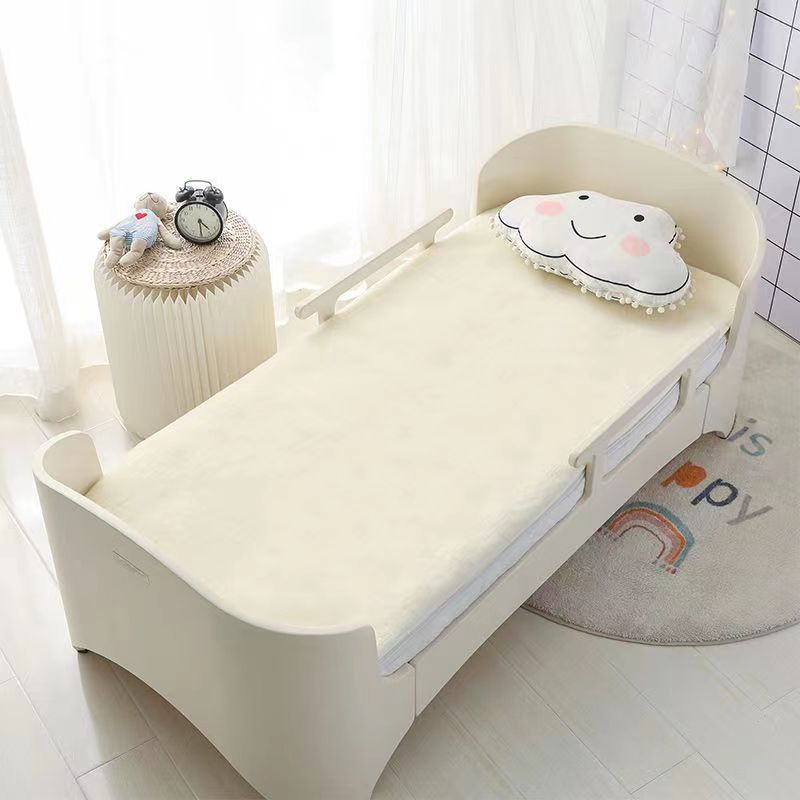
Many baby mattress pads now feature removable, washable covers, but a single-layer washable wool fabric for mattresses design eliminates the middleman—no separate cover to remove, no hidden foam core that can’t be cleaned.
2. Seniors and Individuals with Limited Mobility
For older adults or those recovering from surgery, bed changes are physically demanding. Heavy, damp bedding can be impossible to lift. And incontinence—whether from age, medication, or medical conditions—adds a layer of complexity.
Washable wool fabric for mattresses offers dignity and practicality in one package. Unlike disposable absorbent pads (which feel like paper and shift around), wool stays put, feels soft against sensitive skin, and can be laundered at home without professional equipment. And because washable wool fabric for mattresses resists dust mites and mildew naturally, it means fewer asthma triggers in the bedroom.
A weight range of 300–499g/m² provides enough thickness for comfort without becoming unwieldy when wet. For seniors living independently or in assisted care, this fabric is a game-changer.
3. Hotel Owners and Short-Term Rental Hosts
Here’s a number that should get your attention: The global mattress fabric market was valued at $6.12 billion in 2025 and is projected to hit $9.66 billion by 2034. What’s driving that growth? Hospitality buyers looking for durable, hygienic, and low-maintenance solutions—and they’re increasingly turning to washable wool fabric for mattresses.
Standard hotel mattress protectors get replaced every 6–12 months because they stain permanently, lose elasticity, or develop odors that laundering cannot remove. Bleach damages cotton, and high heat degrades synthetics. And don’t even get started on the labor cost of wrestling a bulky, waterlogged protector into an industrial washer.
Washable wool fabric for mattresses changes the math. A single pad can last through hundreds of wash cycles when properly cared for—cool water, gentle detergent, and low-heat drying. Wool naturally resists bacterial growth and odors, so “that smell” from repeated guest use never develops. For boutique hotels marketing “organic” or “sustainable” experiences, washable wool fabric for mattresses is also a strong brand differentiator.
4. Allergy and Asthma Sufferers
Dust mites are microscopic creatures that thrive in warm, humid environments—exactly the conditions created by synthetic mattress protectors that trap moisture. Their droppings are a leading trigger for asthma and allergic rhinitis.
Washable wool fabric for mattresses creates an inhospitable environment for dust mites for three reasons:
-
Wool fibers naturally wick moisture away, keeping the surface too dry for mites to thrive.
-
The physical structure of wool makes it difficult for mites to burrow and colonize.
-
Regular machine washing at 40–60°C kills any mites or eggs that do accumulate.
And unlike “hypoallergenic” synthetic covers that rely on chemical treatments (which wear off after a few washes), wool’s mite resistance is inherent and permanent. That’s why allergists often recommend washable wool fabric for mattresses over synthetic “allergy-proof” covers.
5. Eco-Conscious Consumers
Here’s a fact the bedding industry doesn’t advertise: most “cooling gel” memory foam toppers are petroleum-based products wrapped in polyester—a fabric that sheds microplastics into your laundry water and takes centuries to decompose.
Washable wool fabric for mattresses offers a genuinely sustainable alternative. Wool is:
-
Biodegradable: At the end of life, wool breaks down naturally in soil, releasing nitrogen back into the ecosystem.
-
Renewable: Sheep produce a new fleece every year—no drilling, no fracking, no petrochemicals.
-
Low energy to produce: Processing wool requires significantly less energy than manufacturing synthetic fibers from crude oil.
The global shift toward sustainable bedding is accelerating. The home bedding market is expected to reach $232 billion by 2034, with consumers increasingly demanding organic and recycled materials. Washable wool fabric for mattresses positions your product—and your brand—directly in the center of that trend.
How Washable Wool Compares to Other Mattress Fabrics
Let’s put the numbers on the table. If you’re deciding between materials for mattress pads, toppers, or covers, here’s how washable wool fabric for mattresses stacks up against the competition.
| Feature | Washable Wool Fabric for Mattresses | Cotton | Polyester/Synthetic | Memory Foam |
|---|---|---|---|---|
| Machine washable | ✓ (specialized treatment) | ✓ | ✓ | ✗ (spot clean only) |
| Temperature regulation | ★★★★★ (bidirectional) | ★★★ (good, but not great) | ★ (traps heat) | ★ (retains body heat) |
| Moisture wicking | ★★★★★ (absorbs & releases) | ★★★ (absorbs but stays damp) | ★ (repels, creates condensation) | ★ (none—waterproof layers trap sweat) |
| Hypoallergenic (natural mite resistance) | ✓ (inherent) | ✓ (inherent) | ✗ (chemical treatments required) | ✗ (foam can harbor mold) |
| Durability (wash cycles) | 200+ | 100–150 | 50–100 | N/A |
| Sustainable/biodegradable | ✓ (fully) | ✓ (fully) | ✗ (petroleum-based) | ✗ (petrochemical foam) |
| Flame resistance | ✓ (natural—no chemicals) | ✗ (requires chemical treatment) | ✗ (melts, requires additives) | ✗ (requires chemical FRs) |
| Odor resistance | ★★★★★ (naturally antimicrobial) | ★★ (absorbs odors) | ★★ (traps odors permanently) | ★ (notorious for off-gassing) |
| Initial cost | $$–$$$ | $$ | $ | $$–$$$ |
| Long-term value | ★★★★★ (lasts for years) | ★★★ (replaces frequently) | ★★ (degrades quickly) | ★★ (compresses within 1–2 years) |
Sources: Comparative analysis based on industry data from mattress and bedding manufacturers, including Woolroom, Sleep & Beyond, and Hongyang Woolen Products.
A few key takeaways from this table:
-
If washability is your #1 priority, washable wool fabric for mattresses and cotton both deliver—but wool lasts significantly longer through repeated laundering.
-
If temperature regulation keeps you awake at night, wool wins decisively. No other natural or synthetic fiber offers bidirectional temperature buffering like washable wool fabric for mattresses.
-
If sustainability matters to your brand or purchasing decisions, wool and cotton are the only genuinely green options. Polyester is plastic. Memory foam is a petrochemical foam.
-
If you’re price-sensitive upfront but willing to replace every 6–12 months, polyester looks cheap. But over 5 years, a single washable wool fabric for mattresses pad costs less than buying five cheap synthetic ones.
Material and Design Considerations: What to Look For
Not all washable wool fabric for mattresses is created equal. If you’re sourcing fabric (as a manufacturer) or buying a finished product (as a consumer), here’s what separates the good stuff from the disappointing stuff.
Fabric Weight
Weight is measured in grams per square meter (gsm). Lighter fabrics (around 300–350gsm) work well for basic mattress pads and baby products. Heavier fabrics (400–499gsm) provide more cushioning and thermal buffering—ideal for toppers and high-end protectors. Hongyang’s fabric ranges from 300–499gsm, giving buyers flexibility depending on the application. Always check the GSM when comparing washable wool fabric for mattresses.
Composition
The best washable wool fabric for mattresses features a 100% wool pile face bonded to a synthetic base cloth (often polyester). Why? The wool face gives you all the comfort, breathability, and moisture management you’re paying for. The polyester base provides structural stability and prevents shrinkage during washing. Pure wool mattress covers (without a synthetic base) are prone to stretching, losing shape, and inconsistent shrinkage after laundering.
Weave Construction
Jacquard weaving—used in Hongyang’s product—creates visible patterns and texture while maintaining fabric integrity. Look for tightly woven fabrics that resist pilling. Looser weaves may feel softer initially but degrade faster. For a premium washable wool fabric for mattresses, jacquard is a reliable indicator of quality.
Certifications
If you’re selling to health-conscious or eco-conscious buyers, certifications matter. OEKO-TEX Standard 100 certification (common in wool bedding) ensures the fabric contains no harmful substances. Look for suppliers who can provide documentation of their wool sourcing, treatment processes, and testing results.
How to Care for Washable Wool Mattress Fabric (So It Lasts)
One of the top questions about washable wool fabric for mattresses is: “Will it really survive the washing machine?”
Yes—if you follow a few simple rules.
Do’s:
-
Wash in cool water (30°C / 86°F maximum) on a gentle or wool-specific cycle
-
Use a mild, wool-friendly detergent—avoid bleach, fabric softeners, and optical brighteners (harsh chemicals damage the fiber scales)
-
Dry on low heat or air-dry flat—high heat causes felting and shrinkage
-
Wash separately from heavy items (jeans, towels) that can cause excess agitation
Don’ts:
-
Don’t use hot water—it opens the fiber scales and causes irreversible felting
-
Don’t use chlorine bleach—it destroys wool proteins
-
Don’t tumble dry on high heat—the combination of heat and mechanical action is catastrophic for washable wool fabric for mattresses.
-
Don’t wash with zippers or Velcro—these snag and pull wool fibers
Pro tip: Even washable wool fabric for mattresses will last longer if you wash it only when necessary and air-dry whenever possible. Over-washing degrades any fabric, wool included.
For manufacturers: Consider including a care label that spells out these instructions clearly. Consumers who ruin a washable wool fabric for mattresses product (because they used hot water and a high-heat dryer) will blame the product, not their mistake.
Real-World Feedback: What Users Are Saying
Sometimes the best evidence comes from people who’ve actually slept on it. Here’s what real customers say about washable wool fabric for mattresses pads:
“This mattress pad is simply amazing and our second one. I sleep hot while my husband sleeps cold and this mattress pad accommodates both. Love it.” — Verified buyer, Sleep & Beyond myPad
“I read that wool helps cool down your sleep. We felt a huge difference after 1 night’s sleep with this wool pad! I love that this is washable too.” — Macy’s customer review
“It stays in place well, with just the straps, and doesn’t add too much bulk, but provides a nice mattress top. I love the wash ability factor also.” — Verified purchase
“Helps me a lot to sleep cooler and not breathing in any chemicals every night.” — Customer switching from synthetic memory foam
Common themes across dozens of reviews: temperature regulation (especially for couples with different sleep temperatures), reduced chemical exposure compared to synthetic foams, and convenience of machine washing. That’s exactly what washable wool fabric for mattresses promises—and delivers.
A handful of critical reviews mention that wool pads can feel slightly firmer than memory foam alternatives. That’s accurate—wool compresses differently than foam. But for many users, that’s a feature, not a bug: better spinal alignment and less of that “sinking into quicksand” feeling.
FAQ
Q: Can washable wool fabric for mattresses really go in a regular washing machine?
A: Yes, but always check the product label. Use cool water (30°C max), a gentle wool cycle, and mild detergent. Avoid hot water, bleach, and fabric softeners.
Q: Will washable wool fabric for mattresses shrink?
A: Properly treated machine-washable wool won’t shrink under correct care. However, hot water or high-heat drying can cause irreversible felting and shrinkage.
Q: Is washable wool fabric for mattresses truly hypoallergenic?
A: Yes. Wool naturally resists dust mites, mold, and mildew without chemical treatments. It’s an excellent choice for allergy and asthma sufferers.
Q: Does washable wool fabric for mattresses feel scratchy like old wool blankets?
A: No. Modern washable wool fabrics use finer fibers and specialized finishing processes. Quality options feel soft, smooth, and skin-friendly right out of the package.
Q: How often should I wash my washable wool fabric for a mattress pad?
A: Every 2–3 months for normal use, or immediately after spills/accidents. Spot-clean small stains rather than full washes to extend the product’s life.
The Bottom Line: Why Washable Wool Belongs in Your Bedroom (or Product Line)
If you’ve made it this far, the conclusion is simple: washable wool fabric for mattresses is not a niche material—it’s a high-performance solution for modern bedding needs.
It works for:
- Parents who need bedding that withstands accidents
- Hotels and rental hosts seeking durable, hygienic, low-maintenance solutions
- Seniors and users managing incontinence who need comfort and dignity
- Allergy sufferers looking for natural, long-term mite resistance
- Eco-conscious consumers avoiding synthetic, plastic-based materials
Most importantly, it’s for anyone who struggles with overheating, sweating, or discomfort during sleep—and wants a natural, effective alternative.
With the global mattress fabric market growing steadily and demand for sustainable, washable materials accelerating, adoption is shifting quickly toward natural performance textiles like wool. Delaying the switch often means continuing with products that stain easily, retain odors, and contribute to microplastic pollution.
Ready to Experience the Difference?
For manufacturers and brands:
Hongyang Woolen Products offers custom washable wool fabric for mattresses, including 100% wool pile face constructions, 300–499gsm weight options, and jacquard weaving for enhanced durability and texture. Samples, color cards, and OEM customization are available on request.
For consumers:
Look for mattress pads made with high-quality washable wool fabric—ideally with a 100% wool pile face, machine-washable certification, and a weight of around 300–500gsm to ensure performance and longevity.