
Introduction
If you’re comparing fabrics for cold-weather gear, here’s the short answer: pure wool polar fleece fabric outperforms regular fleece across the board. You get natural warmth retention that synthetic fleece simply cannot match, superior moisture management that keeps you comfortable for hours longer, and built-in odor resistance that extends wear time between washes. While standard polar fleece is lightweight and affordable, pure wool polar fleece fabric delivers warmth, breathability, and long-term durability that synthetics have been trying—and failing—to replicate for decades.
What Exactly Is Pure Wool Polar Fleece Fabric?
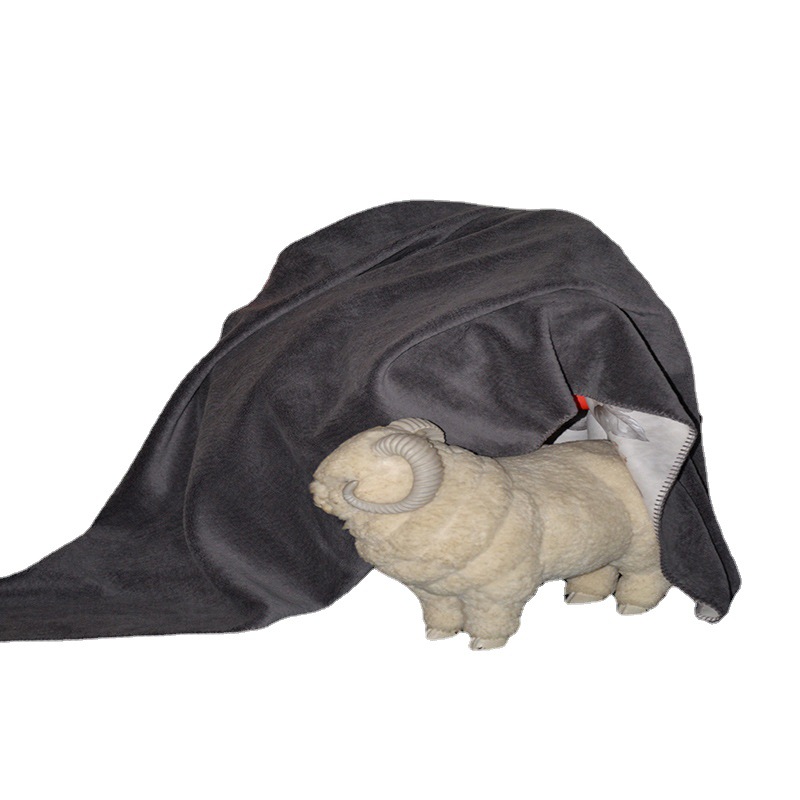
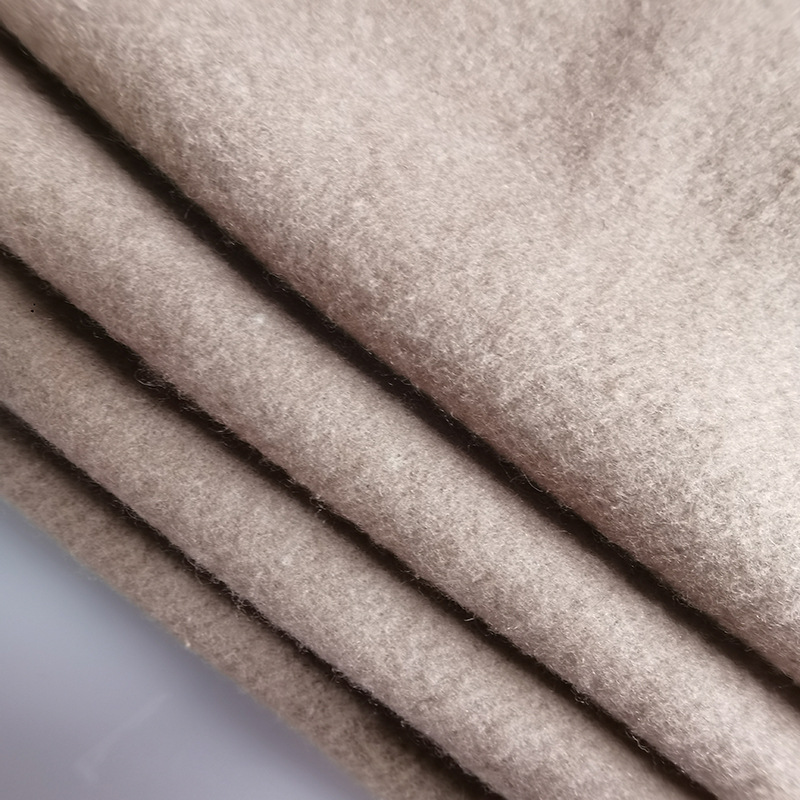
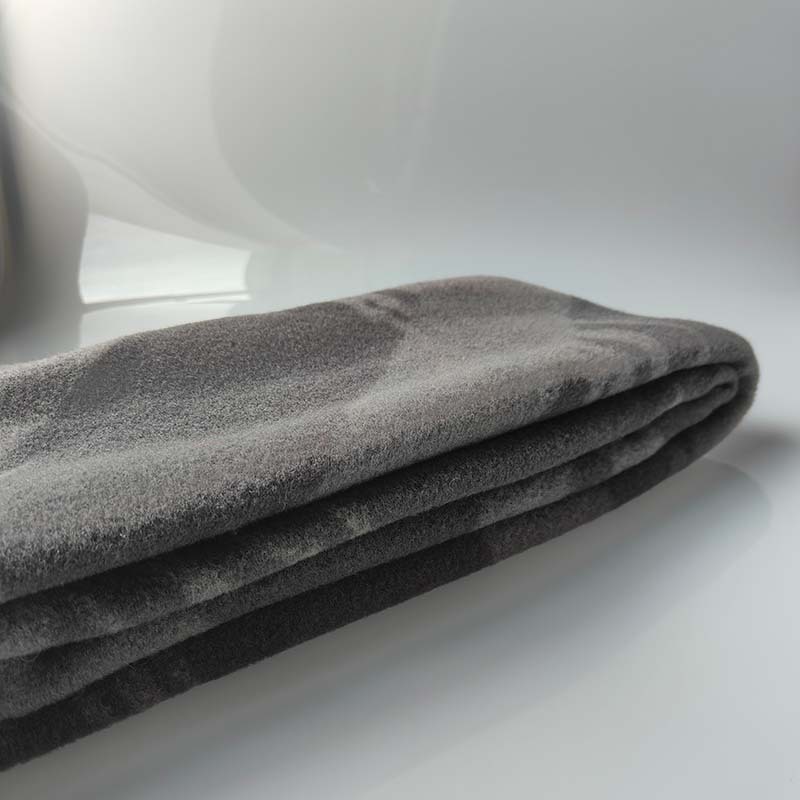
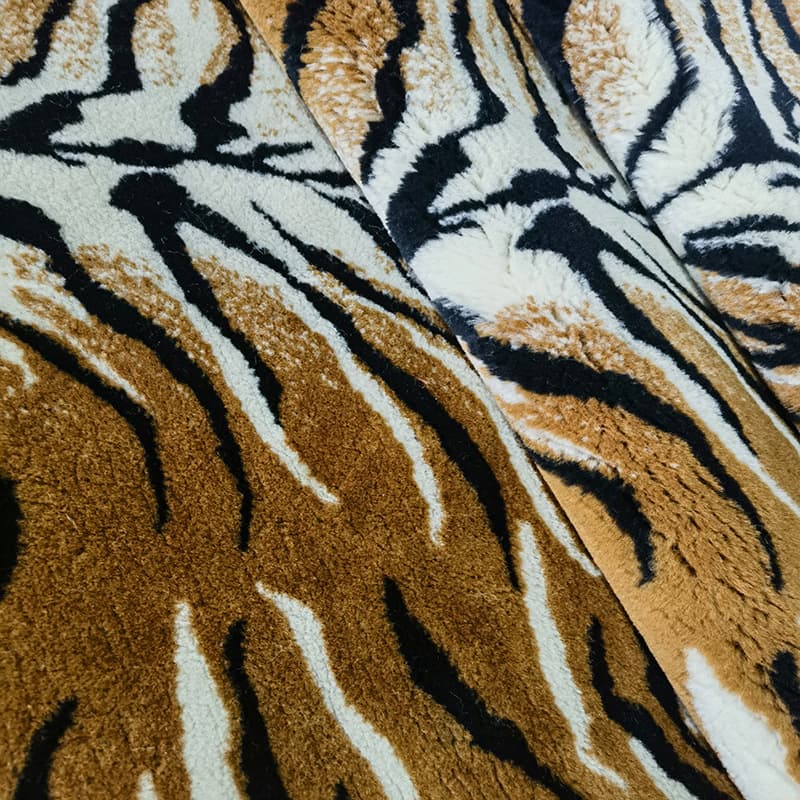
Before diving into the performance differences, let’s clarify what we’re talking about. Pure wool polar fleece fabric is precisely what the name suggests: a polar-style fleece constructed with 100% wool on the pile face, creating a thick, plush surface with a coarse, large-pill texture. Unlike conventional fleece made entirely from polyester, this fabric combines a 100% wool pile face with a 100% polyester base cloth—a hybrid construction that delivers the best of both worlds.
What sets this fabric apart is the large-pill fleece texture—those distinct, chunky loops that give the surface a rugged, substantial feel. This isn‘t your average soft-touch fleece. It’s built for serious winter warmth, with a deliberate coarse finish that traps heat more effectively than flat, tightly woven surfaces.
The Technical Breakdown: Why Pure Wool Beats Polyester
Let’s get into the numbers and the science. A study published by The Woolmark Company found that wool fibers can absorb large quantities of moisture vapor and move it away to evaporate into the air, something synthetic materials struggle to accomplish. But it doesn‘t stop there.
Merino Wool Buffers Moisture 96% Better Than Polyester
In a controlled study comparing performance fibers, Merino wool buffered moisture 96% better than polyester, 45% better than cotton, and 26% better than viscose. More importantly, it was the only fiber tested that delivered consistent thermal regulation through both activity and recovery phases.
What does that mean for you? When you’re active in cold weather—hiking, skiing, or even just commuting—your body produces sweat. Polyester fleece moves that moisture quickly but doesn‘t buffer it, leading to condensation, collapsed insulation, and a clammy sensation against your skin. Pure wool, by contrast, actively stabilizes temperature and moisture, creating comfort that synthetics cannot replicate.
Wool Absorbs Up to 35% of Its Weight in Moisture.
Here’s a stat that often surprises people: Merino wool can absorb up to 35% of its own weight in moisture without feeling damp or clammy. When the temperature drops, the fiber releases the stored moisture, generating a small amount of heat as it does so. Polyester has no such mechanism—once it‘s wet, it stays wet, and you stay cold.
Side-by-Side Comparison: Pure Wool Polar Fleece vs. Regular Fleece
The differences become crystal clear when you put them next to each other. Here’s how the two fabrics stack up across key performance metrics:
| Feature | Pure Wool Polar Fleece | Regular Polyester Fleece |
|---|---|---|
| Thermal retention when dry | Excellent – natural crimp traps warm air | Good – synthetic fibers provide insulation |
| Thermal retention when wet | Maintains warmth – wool generates heat while drying | Poor – loses up to 90% of insulating properties when saturated |
| Moisture management | Absorbs up to 35% of weight without clamminess, releases gradually | Wicks quickly, but doesn‘t buffer; leads to condensation |
| Odor resistance | Natural antibacterial properties; absorbs odor molecules until washed | Requires frequent washing; retains odors after sweating |
| Breathability | Highly breathable – allows vapor to escape | Moderate – can trap body heat and sweat |
| Weight | Heavier – substantial feel (870 gsm for premium grades) | Lightweight – often 200–400 gsm |
| Drying speed | Slow | Fast |
| Sustainability | Biodegradable; renewable resource | Petroleum-based; sheds microplastics |
| Care requirements | Machine-washable but requires a gentle cycle/air drying | Easy care – machine wash and dry |
The Critical Difference No One Talks About
Most people think “fleece is fleece”—but that‘s a costly misconception. Regular polyester fleece may keep you warm on a dry, mild winter day, but introduce any moisture—rain, sweat, snow—and its performance collapses. Many hikers and outdoor professionals have learned this the hard way: a polyester fleece jacket soaked through becomes a liability.
By contrast, pure wool polar fleece fabric continues to insulate even when wet. The wool fibers’ natural crimp creates tiny air pockets that trap heat, and the moisture absorption process actually releases heat as a byproduct.
Real-World Applications: Where This Fabric Excels
Pure wool polar fleece fabric isn‘t a one-trick pony. Its combination of warmth, breathability, and durability makes it suitable for a wide range of uses.
Winter Apparel
From heavy-duty parkas to casual jackets, this fabric provides the warmth and structure needed for serious cold-weather clothing. The 870 gsm weight—substantially heavier than standard fleece—creates a garment that feels substantial and protective, not flimsy. The wool surface texture is visually distinct as well, with a clear, plump fiber structure that adds aesthetic value beyond mere functionality.
Home Textiles & Bedding
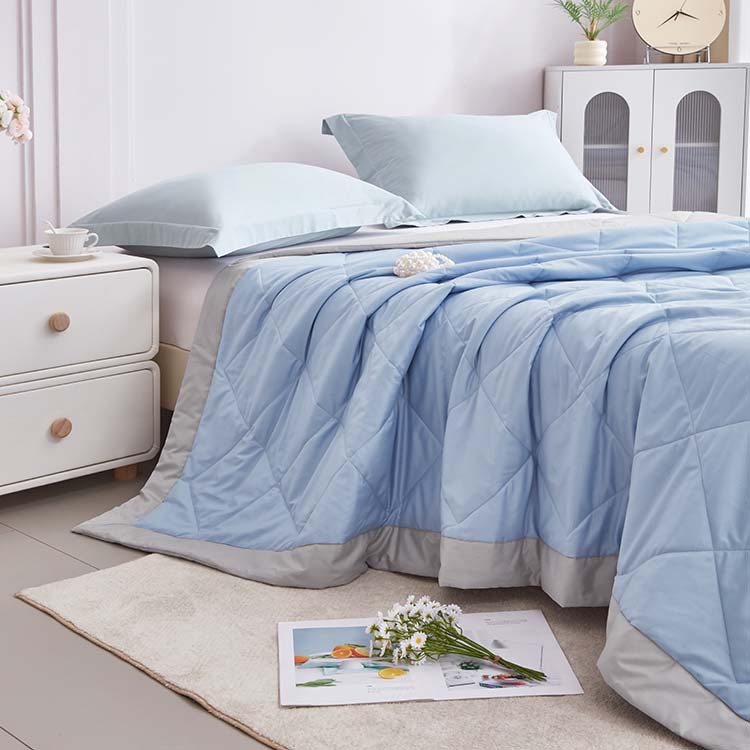
Blankets, throws, and bedding made from this fabric offer something synthetic fleece can‘t: true, constant-temperature comfort. Wool’s natural ability to regulate microclimate means you stay warm without overheating, making it ideal for cold-weather bedding. The fabric‘s good drape and soft-yet-elastic feel also translate well into home decor applications.
Outdoor Gear
For camping, hunting, and winter trekking, pure wool polar fleece excels as both a mid-layer and an outer-layer material. Outdoor professionals consistently favor wool for extreme cold because of its “cozy resilience”—it simply performs better when conditions turn nasty.
Bags & Luggage
The fabric’s durability and coarse texture also make it suitable for luggage and bags, where it provides interior warmth and protection for sensitive items. Unlike synthetic fleece linings that can compress and lose shape over time, wool maintains its structural integrity through repeated use.
Sustainability: Why Choosing Wool Matters
The textile industry is under increasing pressure to reduce its environmental footprint. Global pure wool market analysts project the sector will grow from USD 99.73 billion in 2025 to USD 129.69 billion by 2034, driven largely by consumer demand for sustainable and high-quality textiles.
Here’s why wool is the smarter choice for the planet:
-
Biodegradability – Wool naturally decomposes in soil, returning nutrients to the earth. Polyester fleece lingers in landfills for centuries.
-
Microplastic-free – Synthetic fleece sheds thousands of microplastic fibers with every wash, which end up in oceans and drinking water. Wool sheds nothing of environmental concern.
-
Renewable resource – Sheep grow new fleece every year. Polyester is made from crude oil—a finite resource.
-
Lower carbon footprint – Brands like Patagonia have demonstrated that using recycled wool emits less carbon than using virgin polyester.
As one outdoor industry observer noted: “Sheep grow wool as a natural protective barrier against cold, and it’s hard to argue with the logic of nature”.
Caring for Your Pure Wool Polar Fleece Fabric
A common concern about wool products is maintenance. People remember their grandmother‘s warning about shrinking sweaters. But modern pure wool polar fleece fabric has evolved significantly.
Machine-Washable
Yes, you can machine wash it. Use a gentle cycle with cold or lukewarm water and wool-specific detergent. Avoid fabric softeners—they coat the wool fibers and reduce their natural moisture-wicking ability.
Air Dry
Skip the machine dryer. Lay the fabric flat or hang it to air dry. Wool’s natural resilience means it won’t hold wrinkles, and air drying preserves the fiber structure for years of use.
Stain Resistance
Wool‘s natural protective outer layer repels light spills and stains better than polyester. For tougher marks, spot-clean with mild soap and cold water.
Longevity
With proper care, pure wool polar fleece fabric outlasts synthetic alternatives. Wool fibers can be bent and stretched thousands of times without breaking, allowing garments to retain their shape and resist wrinkles far better than polyester.
The Market Trend: Why Demand Is Surging
The numbers don‘t lie. Industry analysts project the global high-quality polar fleece fabric export market will exceed 6 billion USD in 2025, with an average annual growth rate exceeding 95% in the next three years. Meanwhile, the global fleece fabrics market is projected to reach 1.21 billion USD by 2032 at a CAGR of 5.1%.
What’s driving this growth? Three factors:
-
Consumer awareness – People are reading labels and demanding natural fibers over synthetics.
-
Performance expectations – Once you‘ve experienced wool’s moisture-buffering and odor-resistant properties, it‘s hard to go back.
-
Sustainability pressure – Brands are actively seeking alternatives to petroleum-based textiles.
FAQ
Q1: Is pure wool polar fleece fabric soft and comfortable against the skin?
A: Yes. High-quality pure wool polar fleece fabric uses fine wool fibers that are plush and gentle, even for garments worn close to the body. Unlike coarse fleece, its pile surface is smooth and non-itchy—perfect for winter jackets, scarves, and blankets.
Q2: How does pure wool polar fleece fabric perform in cold or damp conditions?
A: Pure wool polar fleece keeps you warmer than standard synthetic fleece, especially when wet. Wool continues to insulate and can even generate warmth as it dries, making it ideal for outdoor wear and winter sports.
Q3: Can I use this fabric for athletic or performance wear?
A: Absolutely. Its natural moisture-wicking and thermoregulating properties make pure wool polar fleece fabric perfect for hiking, skiing, or camping—any activity where conditions can change quickly.
Q4: Is it easy to clean and maintain?
A: Yes. Most pure wool polar fleece fabrics are machine-washable on a gentle cold cycle. Air drying is recommended to maintain softness, shape, and fiber quality over time.
Q5: Will pure wool polar fleece fabric shrink after washing?
A: Minimal shrinkage occurs with quality-controlled fabrics. To preserve the original size, wash in cold water and air dry—avoid high heat to ensure long-lasting fit and comfort.
Conclusion: Why Make the Switch?
Regular polyester fleece is fine for mild days and light activity. But if you demand real performance—warmth that doesn‘t fail when you need it most, comfort that lasts through sweat and snow, and a fabric that doesn’t punish the planet—pure wool polar fleece fabric is the clear winner.
The science is conclusive: wool buffers moisture 96% better than polyester. The field experience is unanimous: outdoor professionals choose wool for extreme cold. And the market trend is undeniable: consumers are voting with their wallets for natural, sustainable fibers.
Don‘t settle for synthetic compromises. Experience the difference that pure wool polar fleece fabric makes.
Get in touch now—your next season’s best-selling product starts with the right fabric.